Yesterday (18/04/25), a new article was published that focussed on the last ever television interview of Carl Sagan, back in 1996.
I am always heartened to see anything that brings attention to this great man, given that he has been gone approaching 30 years now. It dawned on me yesterday that he died at the same age that I am now, and this has given me further reason to reflect on the influence that he had on me in my formative years. More on this shortly.
It has the link to the interview video at the top:
The Open Culture Foundation is a nonpartisan, nonprofit organisation founded in 2014 to promote open technology as the core to securing digital rights and internet freedom. “Open technology” includes three dimensions: (1) open source software & hardware that can freely used, developed and redistributed by anyone; (2) open data that can similarly be freely used, reused and redistributed by anyone; and (3) open government that promotes transparent, participatory, inclusive and accountable governance.
Hopefully you can see why Carl Sagan’s interview (and work) resonates with them so much. Sagan was a pioneering scientist, focussing on astronomy and astro-physics during the immensely progressive period of scientific advance during and beyond the 1960s; the era of the Apollo missions to the moon and deep-space probes. In this interview and in his seminal, sadly final book, The Demon-Haunted World, he identifies a problem that continues to grow and blight the futures of us all; namely people losing respect and understanding for science and scientists.
At the end of his life, Sagan cared deeply about where science stood in the public imagination. Sagan sensed that scientific thinking was losing ground in America, and especially worryingly in Congress. During his final interview, aired on May 27, 1996, Sagan issued a strong warning:
We’ve arranged a society on science and technology in which nobody understands anything about science and technology, and this combustible mixture of ignorance and power sooner or later is going to blow up in our faces. I mean, who is running the science and technology in a democracy if the people don’t know anything about it.
And he also went on to add:
And the second reason that I’m worried about this is that science is more than a body of knowledge. It’s a way of thinking. A way of skeptically interrogating the universe with a fine understanding of human fallibility. If we are not able to ask skeptical questions, to interrogate those who tell us that something is true, to be skeptical of those in authority, then we’re up for grabs for the next charlatan political or religious who comes ambling along.
This brings to my mind one of favourite Carl Sagan quotes:
The Open Culture article concludes:
“Nearly 30 years later, we have reached this point. Under the second Trump administration, DOGE has rushed to dismantle the scientific infrastructure of the US government, haphazardly cutting the National Science Foundation, the National Institutes of Health, and NASA. Next, they’re going after leading research universities, intentionally weakening the research engine that has fueled the growth of American corporations—and the overall American economy—since World War II. And they’re replacing scientific leaders with charlatans like RFK Jr. who dabble in the very pseudoscience that Sagan warned us about. Needless to say, our competitors aren’t making the same mistakes. Few serious governments are stupid enough to cut off their nose to spite their face.”
Carl Sagan was not just a brilliant scientist and a thoroughly decent human being, he was a prophet!
First and foremost, for me, he was a brilliant, inspirational communicator of difficult concepts. I first encountered him in my first year at University, when the BBC screened his exquisite series “Cosmos: A Personal Voyage (with Carl Sagan)” (13 episodes, 1980/81).
If you are not inclined to watch it all, at least watch the first 10 minutes or so. I wager many of you will be drawn in by his voice and words and end up watching more. But whatever; you will get the feel for what drew me in.
At the very least, spare three and a half minutes to watch this video that presents the essence of my worldview so beautifully.
I find it even more powerful when I read it slowly to myself:
From this distant vantage point [that of ‘an alien scientist newly arrived at the
outskirts of our solar system’ where Voyager 1 took the photograph], the Earth
might not seem of any particular interest.
But for us, it’s different. Look again at that dot. That’s here. That’s home. That’s
us. On it everyone you love, everyone you know, everyone you ever heard of, every
human being who ever was, lived out their lives. The aggregate of our joy and
suffering, thousands of confident religions, ideologies, and economic doctrines,
every hunter and forager, every hero and coward, every creator and destroyer of
civilization, every king and peasant, every young couple in love, every mother and
father, hopeful child, inventor and explorer, every teacher of morals, every
corrupt politician, every ‘superstar,’ every ‘supreme leader,’ every saint and
sinner in the history of our species lived there — on a mote of dust suspended in a
sunbeam.
The Earth is a very small stage in a vast cosmic arena. Think of the rivers of
blood spilled by all those generals and emperors so that, in glory and triumph,
they could become the momentary masters of a fraction of a dot. Think of the
endless cruelties visited by the inhabitants of one corner of this pixel on the
scarcely distinguishable inhabitants of some other corner, how frequent their
misunderstandings, how eager they are to kill one another, how fervent their
hatreds.
Our posturings, our imagined self-importance, the delusion that we have some
privileged position in the Universe, are challenged by this point of pale light. Our
planet is a lonely speck in the great enveloping cosmic dark. In our obscurity, in
all this vastness, there is no hint that help will come from elsewhere to save us
from ourselves.
The Earth is the only world known so far to harbour life. There is nowhere else, at
least in the near future, to which our species could migrate. Visit, yes. Settle, not
yet. Like it or not, for the moment the Earth is where we make our stand.
It has been said that astronomy is a humbling and character-building experience.
There is perhaps no better demonstration of the folly of human conceits than this
distant image of our tiny world. To me, it underscores our responsibility to deal
more kindly with one another, and to preserve and cherish the pale blue dot, the
only home we’ve ever known.
If he were still around today, he would be appalled, but sadly not shocked. As I am. As many of you, no doubt, are too. The question is, what are we going to do about it? The very least that we can all do is take on board the last sentence of ‘The Pale Blue Dot’:
To me, it underscores our responsibility to deal more kindly with one another, and to preserve and cherish the pale blue dot, the only home we’ve ever known.
As a student in the early 1980s, I remember being hugely impressed by the astonishing bravery of Lech Wałęsa, who headed up the Solidarity Union that led the Gdansk ship workers out on strike against the then communist regime in Poland. He became an icon and a hero. He, of course, went on to be President of the country.
Last week Lech Wałęsa wrote an open letter to Donald Trump. In case you didn’t see it, the full text of that letter is below.
There is so much I could say about the contempt I hold Donald Trump in, but I hope that all reading this would share that contempt so let me just share Lech Wałęsa’s words and be done, rather than risk my blood pressure.
“Your Excellency, Mr. President,
We watched your conversation with President Volodymyr Zelensky with fear and distaste. It is insulting that you expect Ukraine to show gratitude for U.S. material aid in its fight against Russia. Gratitude is owed to the heroic Ukrainian soldiers who have been shedding their blood for over 11 years to defend the free world’s values and their homeland, attacked by Putin’s Russia.
How can the leader of a country symbolizing the free world fail to recognize this?
The Oval Office atmosphere during this conversation reminded us of interrogations by the Security Services and Communist court debates. Back then, prosecutors and judges, acting on behalf of the communist political police, told us they held all the power while we had none. They demanded we stop our activities, arguing that innocent people suffered because of us. They stripped us of our freedoms for refusing to cooperate or express gratitude for our oppression. We are shocked that President Zelensky was treated similarly.
History shows that when the U.S. distanced itself from democratic values and its European allies, it ultimately endangered itself. President Wilson understood this in 1917 when the U.S. joined World War I. President Roosevelt knew it after Pearl Harbour in 1941, realizing that defending America meant fighting in both the Pacific and Europe alongside nations attacked by the Third Reich.
Without President Reagan and U.S. financial support, the Soviet empire’s collapse would not have been possible. Reagan recognized the suffering of millions in Soviet Russia and its conquered nations, including thousands of political prisoners. His greatness lay in his unwavering stance, calling the USSR an “Empire of Evil” and confronting it decisively. We won, and today, his statue stands in Warsaw, facing the U.S. Embassy.
Mr. President, military and financial aid cannot be equated with the blood shed for Ukraine’s independence and the freedom of Europe and the world. Human life is priceless. Gratitude is due to those who sacrifice their blood and freedom—something self-evident to us, former political prisoners of the communist regime under Soviet Russia.
We urge the U.S. to uphold the 1994 Budapest Memorandum, which established a direct obligation to defend Ukraine’s borders in exchange for giving up nuclear weapons. These guarantees are unconditional—nowhere do they suggest such aid is a mere economic transaction.
Signed, Lech Wałęsa, former political prisoner, President of Poland “
I’ve recently returned from a trip to Argentina that saw me visit Buenos Aires, coastal Patagonia and Ushuaia, Terra del Fuego. I quickly felt more comfortable identifying as Welsh rather than British, not because I was in any way intimidated or threatened (quite the contrary), but simply because of historical evidence and propaganda everywhere I went.
Before I delve into this further, let me present some historical context.
Argentina was, of course, initially part of the Spanish Empire, but parts of Argentina, such as Rio de la Plata (including Buenos Aires) and Islas Malvinas (a.k.a. Falklands Islands), were squabbled over between the Spanish and British in the late 18th and early 19th centuries.
Argentina’s current borders were settled after its War of Independence that saw it declare independence from Spain on 15 December 1823. Britain stayed neutral in the war but was quick to recognise the newly established republic. Argentina effectively shelved its claims of sovereignty over the Falklands in return for British economic investment that played a major role in the Argentine economic boom that lasted from the mid 1800s through the Great Depression of the 1930s.
Things changed after WW2 (during which over 4000 Argentine volunteers served with British armed services). The British policy of ‘Imperial Preference’ directed most of its overseas investment to its colonies. The Perón regime then nationalised many British-owned industries, further diminishing British influence.
By the mid-1960s, the military were calling the shots and there was a military coup in 1966. The military junta soon saw value in resurrecting claims of sovereignty over the Malvinas/Falklands.
Initially, and under pressure from the UN, the British government, or the Foreign and Commonwealth Office (FCO) at least, saw the islands as more of a nuisance and obstacle to trade in South America and were inclined to cede the islands to Argentina in 1968. Parliamentarians sympathetic to the plight of ‘British’ islanders, frustrated these plans.
Thus, throughout the 1970s (and both Labour and Conservative governments) the Argentine government were kind of teased about British willingness to cede the islands once political issues in the UK were resolved. The FCO even tried to make the islanders more amenable by allowing Argentina to increasingly supply the islands with things like oil and food, hoping they would feel increasingly dependent on Argentina and less dependent on the UK.
In 1980, a year into Thatcher’s first term, her foreign secretary, Nicholas Ridley was despatched to the Falklands to try and persuade the islanders of the benefits of a ‘leaseback’ scheme. It failed, despite Ridley conceding in private that he knew that the Argentines were running out of patience and could decide to invade and take the islands.
For the Argentine junta, things came to a head in 1981, They had been in charge for 5 years and the economy had stagnated and was crumbling. Large-scale civil unrest was erupting all over the country. The new junta head, General Galtieri, needed a PR boost and hoped to divert public attention from the floundering economy and human rights issues by mobilising the long-standing patriotic sentiments of Argentinians towards Las Malvinas. He and his advisers were convinced that the British would never respond militarily. They had miscalculated.
By 1982, Thatcher’s popularity was plummeting, and the Falklands looked a no-win situation that could sink her completely. Quietly ceding the islands was one thing, seeing them invaded and snatched away was quite another. But going to war over them, given the logistical challenges involved and the lack of a certain outcome seemed crazy. However, ten weeks later, the Falklands were retaken, and Thatcher could do no wrong for most Brits.
But the Argentinians have never lost the conviction, so successfully embedded in them ever since the 1970s, that Las Islas Malvinas belong to them. The British, meanwhile have become ever more aware to the potential riches in the relatively shallow waters of the seas around the Falklands, and potentially in Antarctic territory beyond. Positions have become re-entrenched. However, we see or hear very little about the Falklands back in the UK these days. It is very different in Argentina, as I saw with my own eyes while travelling around. I became increasingly gob-smacked. Here are just some of my photos, firstly from Buenos Aires:
Just 100m from my Buenos Aires AirBnB. 8ft tall 4-sided memorial. The other three sides list the Argentinian ‘heroes’ who gave their lives. Why 2009? I don’t know. There are countless other memorials dotted all over the city.
At least half the buses in Buenos Aires had this stuck on the side. A law passed in 2014 by the Argentine Congress says public transport must have signs saying “Las Islas Malvinas son Argentinas” (‘the Falkland Islands are Argentine’).
I went to a Boca Juniors game in January 2025. An essentially left-wing club in the dock area of the city still has banners at home games asserting the Malvinas are Argentinian.
Moving on to Welsh Patagonia, I wondered if the strong Welsh affiliations and affections altered the attitudes towards the Malvinas/Falklands. Nope, not at all.
This adorns the Town Hall in Trelew. It was the only conspicuous memorial I stumbled across in this town, but some buses in the town had the same poster as those in Buenos Aires. Why 2024? Again, I don’t know.
The county town of Rawson, nearer the coast, ramped things up a bit more. Near the County Hall is an extensive collection of Malvinas memorials:
Translating the plaque beneath one of them:
Worker stopping with one hand raised
The advance of the internal and external enemy
That oppresses the people
And with one hand pointing
A barbed wire fence
Symbol of invading capitalism
Towards South American territories.
That’s the working classes of South America resisting the capitalist colonialists of Europe, Britain specifically in this case. Which is an interesting perspective for people largely descended from capitalist colonialists of centuries gone by, Spain in that case, but hey!
Rawson is also home to a museum dedicated to the Falklands War; the ‘Museum of the Malvinas Soldiers’:
It appears to have been put together and curated by local families of soldiers who lost their lives there. It is, however, free to enter and I guess is financially supported by government at some level. It was staffed by a man in his 30s; quite an intense guy who recognised my Welsh soccer shirt. He got a bit emotional when I shook his hand and said ‘muchas gracias’ as I left.
Soldier of my country…
Boy of my people…
What unfathomable nights
your dreams sheltered!
I cry for you at night and…
At dawn I still remember…
Emotional stuff. But looking at the visitor book, I don’t think this museum sees many visitors. It is the public displays in the town centres that (a) keeps the emotion alive for the locals, but also (b) smacks the visitor in the face, especially British visitors. And thus, onto Ushuaia!!
There is a special context to Ushuaia’s obsession with Las Islas Malvinas. This map, cut into thick sheet steel, is down by the port entrance:
Ushuaia is on Tierra Del Fuego in the top left of these maps. The Argentinian Government regards it as the capital city of all the territories on this map, thereby including the following territories that the map on the right identifies as UK territories: Islas Malvinas a.k.a. Falkland Islands, Islas Georgias del Sur a.k.a. South Georgia, Islas Sandwich a.k.a. South Sandwich Islands, Islas Orcadas a.k.a. South Orkney Islands and Antartida Argentina a.k.a. British Antarctic Territory.
Ushuaia doesn’t even attempt to perform any governmental functions outside of Tierra del Fuego as it regards these other territories as under illegal occupation by the British. But this doesn’t stop it attempting to maintain communications, if only via radio:
This is Nacional FM broadcasting from Ushuaia across Tierra del Fuego and, it would seem, to the Islas Malvinas. It would be interesting to know the listening figures from there!
But there are ‘in-your-face’ messages all over town:
Clockwise from top left: Memorial plaques from all manner of organisations / Entrance to large memorial plaza / Eternal flame in memory of the dead built at the 30th anniversary of the war / 40th anniversary war memorial / one of about twenty poster size photos displayed around the plaza.
And it is not just war memorials. In an attempt to assert that the Malvinas are theirs, there are also big diplays about the wildlife, ecology and need for ‘proper’ conservation on the islands:
There are a lot of references to “Argentinas y Fueguinas” to emphasise that the islands are not just Argentinian, but more specifically of the Tierra del Fuego administartive area, of which Ushuaia is the capital.
This was on the back of business premises overlooking the port.
Next to the port entrance, and elsewhere, there are lots of things stressing that the Islands are relatively close to Ushuaia (but that is still about 500 miles), compared to Buenos Aires, and also that the UK is ridiculously far away; 12,700km or 7,900 miles.
Also next to the port entrance, and quite pointedly in both Spanish and English, given the large number of English-speaking tourists passing through, are these two unequivocal statements on large noticeboards:
I would love to know what has been deleted from the bottom!
So, the message is loud and clear and unequivocal; Argentina has not given up on being able to assert sovereignty over the Falkland Islands, at the very least, and over other UK held territories in the South Atlantic/Southern Oceans.
However the language used by the current President (at the time of writing), Javier Milei, has been tempered compared to some of his predecessors. https://www.bbc.co.uk/news/articles/ce43zv3qln9o
There clearly is no desire to physically fight over the islands again. But it is also clear that a diplomatic resolution is nowhere near even being on the horizon again. https://www.bbc.co.uk/news/articles/ce43zv3qln9o
In the meantime, a two prong PR campaign that has been going strong since the 1970s continues. First is all the messaging on public transport and public buildings aimed at keeping the idea firmly implanted in the mind of the Argentinian public. Second is the uncompromising messaging to visitors to Argentina, especially conspicuous around ports and airports used by tourists, presented extensively in English so that British and American visitors, in particular, cannot miss the message.
Here is the main tourist information online portal for Ushuaia:
The map link at the bottom goes to the map below that shows the whole array of public installations to do with Las Malvinas, but which is far from inclusive of all mentions of Las Malvinas around the town.
So, what do I conclude about the Las Malvinas/Falklands situation now, in 2025, well over 40 years since the war?
British tourists, as far as I can see, and in my experience, suffer no discrimination from the Argentinian hospitality sector, nor from the vast majority of the Argentinian people. There seems to be an understanding about the capitalist interests driving the current determination of the UK establishment to hold onto the Falklands and other territories in the region. But it is this feeling that they are being robbed of potential resources that belong to them that will not let them give up on the aspiration to have sovereignty over the islands recognised and achieved.
There is no hint of any desire to go to war over the islands again right now, but in this age of Trumpian powder-keg diplomacy, that could change if the conditions were right, and some sort of trigger event occurred. There are possible trigger events on the horizon such as the uncertain future of the Antarctic Treaty’s Environmental Protocol when I it comes up for review in 2048.
Perhaps even more imminent is the “Blue Hole” issue of the fishing free-for-all going on around the Falklands due to the waters being caught in the middle of the territorial dispute between the UK and Argentina. One of the consequences of this is the lack of any agreements on fishing in these waters; it is one of the only areas of sea not covered by any regional fishing agreement. The consequences of the resultant over-fishing are dire for Falkland Islanders (the fishing industry makes up two-thirds of the Falkland Island’s economy) but also for the impact on fish stocks in neighbouring waters. https://www.ethicalmarkets.com/falkland-islands-dispute-is-causing-fishing-free-for-all-in-nearby-blue-hole/
This may yet convince the Falkland Islanders that their prosperity and future might actually be more secure under Argentinian jurisdiction. This was, after all, an argument the UK Governments put forward themselves back in the 1960s and ’’70s, remember?
That would be a fascinating turn of events given that the (duplicitous) pretext for fighting the war in 1982 was the Islanders explicit desire to stay ‘British’. If they were to change their minds (and Shetland/Orkney Islanders, for example, are increasingly changing their minds and considering to self-determine themselves as Norwegian instead of British), then how could the UK say ‘no’? The UK is destined to dissolve in any case, sooner or later, with Scottish and Welsh independence and the re-unification of Ireland. Where this would leave British dominions and far-flung overseas territories, such as the Falklands, is an interesting consideration. The UK has only recently (just 6 months ago, in October 2024) given sovereignty of the Chagos Islands back to Mauritius. This is a interesting precedent. https://www.bbc.co.uk/news/articles/c98ynejg4l5o
It is my view that there is natural justice https://en.wikipedia.org/wiki/Natural_justice that should ultimately settle all such issues, if and when a fair and balanced consideration of material facts and human and environmental impacts can hold sway. I do not wish to prejudge such things, but nonetheless, I am of the opinion that this would lead to not just the dismantling of the UK as described above, but also the recognition of islands that cannot (or want not to) sustain themselves as independent nations belonging to the nearest and/or geologically consistent land mass country.
Thus, I do think that eventually the Falkland Islands should and will become recognised as Las Islas Malvinas of Argentina.
But what of the Islanders desire to remain ‘British’? A major part of this is cultural. They are almost all of British descent; English-speaking, but mostly descended from Scottish and Welsh immigrants who settled from 1833 onwards. More recent immigrants have stemmed the population decline in the islands and have come mostly from the UK, St Helena and Chile. The 2012 census https://web.archive.org/web/20130520184434/http://www.falklands.gov.fk/assets/Headline-Results-from-Census-2012.pdf showed 59% of residents identifying as Falkland Islanders, 29% as British, 9.8% as Saint Helenian and 5.4% as Chilean (N.B. adds up to more than 100% as some identified as belonging to more than one category). A small number identified as Argentinian and of other nationalities.
I deduce a few things from these figures. Firstly, the Islanders do not see themselves as essentially British; they see themselves as essentially unique and distinct. Secondly, beyond the cultural matters of language, religion (most are protestants), and education, their loyalty to Britain is probably essentially pragmatic – that the UK guarantees its well-being and security to the tune of £60m a year, not counting major infrastructure investment of military significance, such as the recent £7m refurb of the Mount Pleasant military base. That represents more than £30,000 a year for each full-time inhabitant. (For context, that £60m could cover the £20 increase in Universal Credit given during Covid but since removed despite no end to the cost-of-living crisis. Or free school meals for 150,000 kids. But hey, I digress).
The point is that I feel sure that the islanders could easily be convinced that their livelihoods (mostly fishing dependent) and well-being (access to healthcare especially) could easily be matched, if not bettered by being under Argentine jurisdiction, and that assurances and guarantees about preserving their cultural identity and ways of life as English-speaking, tea-drinking, Anglicans would be enough to seal the deal.
After all, there is another part of Argentina that has done just that for another group of settlers of British descent, namely Welsh Patagonia.
Which brings me neatly to my reflections on what I saw and learned in and around Welsh Patagonia.
Welsh Patagonia is generally recognised as coinciding with the Argentinian province of Chubut. Having initially landed at Puerto Madryn, the early settlers were guided to the more fertile land along the lower Chubut valley by the indigenous Tehuelche people, thereby creating the towns of Rawson (named after Guillermo Rawson, the Argentine Minister of the Interior who championed and supported the Welsh settlement in Argentina), Trelew (initially Trelewis, the Welsh for Lewistown – a village just outside Bridgend), Gaiman (the name originating from the Tehuelche place-name meaning “rocky point”), and Dolavon (derived from the Welsh for “river meadow”). These are the five towns I visited.
Sometime later Welsh settlers migrated across the pampas and set up towns in the foothills of the Andes, such as the initially flour-milling town of Trevelin (from the Welsh ‘Trefelin’ = mill town) and Esquel (derived from Tehuelche words for “marsh” and ‘thorny plants”). I didn’t have time to get to these towns.
The story of the Welsh arriving in Puerto Madryn is a sad one.
The onset of the Industrial Revolution saw wealthy English capitalists investing heavily in the South Wales coalfield valleys and saw mass migration into the area. Welsh speakers became a nuisance and began being persecuted not just in the workplaces but by parliament. An 1847 parliamentary report on Welsh education (that became known as the ‘Treachery of the Blue Books’) https://www.library.wales/discover-learn/digital-exhibitions/printed-material/the-blue-books-of-1847 poured scorn on Welsh speakers and advocated punishments like the ‘Welsh Not’; a piece of wood hung around the necks of children caught speaking Welsh.
This persecution saw many join the waves of migration to America, but this didn’t make it easier to maintain the speaking of Welsh (although they did create ‘Welsh’ towns at Utica in New York State and Scranton in Pennsylvania). The idea of creating a remote utopia away from the influence of the English language became an obsession for some.
One such was a Caernarfon publisher and printer, Lewis Jones (honoured in the naming of Trelew), who in 1862 travelled to Patagonia’s Chubut Valley, accompanied by Welsh Liberal politician, Sir Love Parry-Jones (whose home estate, Madryn, would give its name to the port in which the settlers would land). They met with Guillermo Rawson, the Interior Minister, and he was amenable as he saw it as a way of gaining more control over a large tract of land disputed with their Chilean neighbours.
Having obtained Rawson’s agreement, the next step was to round up a group of initial settlers. A Welsh emigration committee met in Liverpool and published a handbook, Llawlyfr y Wladfa (Colony Handbook) to publicise the Patagonian scheme. The handbook was widely distributed throughout Wales and in America.
The first group of settlers, over 150 people, gathered from all over Wales, but mainly north and mid-Wales, sailed from Liverpool in late May 1865 aboard the tea-clipper Mimosa. Passengers had paid £12 per adult, or £6 per child for the journey. Blessed with good weather the journey took approximately eight weeks, and the Mimosa eventually arrived at what is now called Puerto Madryn on 27th July.
Unfortunately, the settlers found that Patagonia was not the friendly and inviting land they had been expecting. They had been told that it was much like the green and fertile lowlands of Wales. In reality it was barren and inhospitable windswept pampas, with no water, very little food and no forests to provide building materials for shelter. Some of the settlers’ first homes were dug out from the soft rock of the cliffs in the bay. I learned most of this from the Museo Del Desembarco:
Those shallow hollows where those first dishevelled migrants landed were the homes for most of them for a quite a few weeks, such that they cut out discernible recesses to act as shelves etc.
The future looked bleak, but the indigenous Teheulche Indians took pity on them and tried to teach the settlers how to survive on the scant resources of the area. This was my view of the area as I flew into Trelew.
They essentially survived by receiving several mercy missions of supplies until, with Tehuelche help, they identified a hopefully viable proposed site for the colony in the Chubut valley, about 40 miles from Puerto Madryn. It was here, where a river the settlers named Camwy cuts a narrow channel through the desert from the nearby Andes, that the first permanent settlements of Rawson and Trelew were established from the end of 1865.
The colony suffered badly in the early years with floods, poor harvests and disagreements over the ownership of land. In addition the lack of a direct route to the ocean made it difficult to bring in new supplies; Puerto Madryn remained the best landing point in the region.
History records that it was a certain Rachel Jenkins who first had the idea that changed the history of the colony and secured its future. Rachel had noticed that on occasion the River Camwy burst its banks; she also considered how such flooding brought life to the arid land that bordered it. It was simple irrigation (although backbreaking work to create) that saved the Chubut valley and its small band of Welsh settlers.
This history is preserved in Trelew’s ‘Pueblo de Luis Museum’ named in tribute to Lewis Jones (‘The people of Lewis’ Museum), based in what was the railway station eventually built for the line up the valley.
Over the next several years new settlers arrived from both Wales and Pennsylvania, and by the end of 1874 the settlement had a population totalling over 270. With the arrival of these keen and fresh hands, new irrigation channels were dug along the length of the Chubut valley, and a patchwork of farms began to emerge along a thin strip on either side of the River Camwy. The plan of the plots is in the museum. It appears that many changed their first names to Spanish equivalents – John Evans becomes Juan Evans, William Thomas becomes Guillermo Thomas, Henry Griffiths becomes Enrique Griffiths.
In 1875 the Argentine government granted the Welsh settlers official title to the land, and this encouraged many more people to join the colony, with more than 500 people arriving from Wales, including many from the south Wales coalfields which were undergoing a severe depression at that time. This fresh influx of immigrants meant that plans for a major new irrigation system in the Lower Chubut valley could finally begin.
There were further substantial migrations from Wales during the periods 1880-87, and 1904-12, again mainly due to depression within the coalfields. The settlers had seemingly achieved their utopia with Welsh speaking schools and chapels; even the language of local government was Welsh.
In the few decades since the settlers had arrived, they had transformed the inhospitable scrub-filled semi-dessert into one of the most fertile and productive agricultural areas in the whole of Argentina and had even expanded their territory into the foothills of the Andes with a settlement known as Cwm Hyfryd. Bridgend boy, John Murray Thomas was prominent in this expansion, with his story told in the museum:
He was born in 1847 in Penybont ar Ogwr, South Wales. He arrived in Chubut on board the Mimosa in 1865. He was married to Harriet Underwood. From 1877 onwards he made several exploratory trips through the interior of Chubut, highlighting the expedition led by Fontana in 1885 which resulted in the discovery of the Andean valleys and the subsequent founding of the Colonia 16 de Octubre, seat of Esquel, Trevelin and the Futaleufu dam. He died on 3 November 1924 at the age of 77 and his remains rest in the Moriah Chapel cemetery.
These now productive and fertile lands started to attract other nationalities to settle in Chubut and the colony’s Welsh identity began to be eroded. By 1915 the population of Chubut had grown to around 20,000, with approximately half of these being foreign immigrants.
The turn of the century also marked a change in attitude by the Argentinian government who stepped in to impose direct rule on the colony. This brought the speaking of Welsh at local government level and in the schools to an abrupt end. The Welsh utopian dream of Lewis Jones et al appeared to be disintegrating.
Welsh however remained the language of the home and of the chapel, and despite the Spanish-only education system, the proud community survives to this day serving bara brith from Welsh tea houses and celebrating their heritage at one of the many eisteddfodau.
Speaking to locals in all of the towns in the area, it is amazing how many proudly claim to be descendants of early Welsh settlers, and especially of those first 150 or so on the Mimosa. They seem proud of the story and declare that they would love to visit Wales one day. Most learned a bit of Welsh in school, but I found nobody claiming to be proficient in the language, although I was told that they do exist.
The future of the language in the area will need some help, as it has back in Wales. In 1997 the British Council instigated the Welsh Language Project (WLP) to promote and develop the Welsh language in the Chubut region of Patagonia. Within the terms of this project, as well as a permanent Teaching Co-ordinator based in the region, every year Language Development Officers from Wales are sent to ensure that the purity of the ‘language of heaven’ is delivered by both formal teaching and via more ‘fun’ social activities, especially eisteddfodau. Whether this will be enough, only time will tell.
So, and in conclusion, what, if anything, does the history of the Welsh in Patagonia have to say of relevance to the future of the British in the Falklands?
I think the essence of it is that anything is possible with a combination of the determination of the players to make things work and a degree of political expediency for the powers that influence things to allow things to work.
The Welsh settlers in Patagonia were political refugees escaping persecution in their homeland and determined enough to make a fresh start that they could find away to overcome the problems they encountered, with a little help. It was politically expedient for descendants of the Spanish colonialists to ‘give’ the land of the indigenous Tehuelche to this ramshackle bunch of refugees. The Tehuelche saw the benefits of the new trading opportunities and the land was not precious to them in any case. Everyone was a winner.
The context in the Falklands is very different of course. The settlers there were sponsored and supported by the British government, and still are to this day. There is no reason why, with the right mindset of the islanders and the Argentinians that the Islanders cannot prosper under Argentinian governance. Finding the political expediency to allow this to happen is likely to be relatively easy in Argentina. I get the impression that allowing the Islanders to remain and allowing them to maintain their language and cultural identity would not be a big issue in finding a settlement. As in Chubut, it might get eroded over time, but that depends on how strongly it is practiced and maintained. Getting British Government support might prove trickier – despite the attitudes it presented back in the 60s and 70s – as it is in the grip of rabid neoliberal capitalists who control the zeitgeist. But this has to change sooner or later.
My experience of Argentina is that Argentinians welcome and value British visitors and have no issue accommodating them as residents either, allowing them to be themselves. The issue between the countries is at Governmental level and focussed on the territorial disputes off the shores of Argentina.
Self-determination is a very important principle. It was denied to Welsh speakers in their homeland. Their determination to create a new homeland far away eventually succeeded because that determination was given self by the Argentinian respect for what they wanted to do in difficult terrain and respect and help offered both ways between those settlers and the indigenous Tehuelche people of the area.
Self-determination was given as the main reason for the military response of the British in 1982. While I may scoff at the notion that this was the primary motivation, it is an honourable enough motivation in most circumstances. We can argue about the legitimacy of self-determination claims of people shipped many thousands of miles to lay claim to uninhabited land, but if we put this aside, the most likely resolution of the dispute over the Falklands/Malvinas, in my opinion, is for the Islanders to come to the decision that they would prefer to be governed and supported by Argentina than the UK.
The Welsh migrants had had enough of British rule harming their way of life. The independence campaigns in Wales and Scotland are focussed on the conviction that living standards and well-being can be better once divorced from British/UK rule. The Northern Irish are coming around to the conclusion that they would be better off being part of a reunited Ireland, divorced from British rule. Shetland and Orkney Islanders https://www.bbc.co.uk/news/uk-scotland-north-east-orkney-shetland-66066448 are actively exploring the benefits of divorcing from the UK and returning to Norway (they were Norwegian for 500+ years from the 10th to 15th centuries). Being part of the UK is patently less desirable as time goes on, and there is no sign of that changing any time soon. Once the UK crumbles I foresee the Falklanders quickly accepting the inevitable.
The difference between extractive and inclusive institutions of government and the economy.
The significance of the English Civil War as a precursor to England leading the world into the Industrial Revolution.
The impact of colonialism and post-colonial institutions in explaining the global inequalities of today.
How authoritarianism, communism, neoliberalism and capitalism lead to extractive government and institutions and their own inequalities.
Why inequalities have worsened in the UK and USA since Thatcher and Reagan.
Why a market economy promotes inclusivity.
Why social democratic countries, especially those adopting the Nordic model, are amongst the wealthiest, most egalitarian, and happiest countries in the world.
Why independence offers Wales the opportunity to take a more inclusive path if it is set up right from the outset.
Independence brings the scope to be radical – liquid democracy etc.
It is a surprisingly accessible and enjoyable read; a romp through about 400 years of history that builds a compelling case that dismantles a lot of the conventional ‘wisdom’ I was indoctrinated with as a geography student in the 70s and 80s. This was refreshing as I had never been totally convinced by some of the geographical hypotheses for inequality I was sold. The book also dismisses the patently crass cultural hypotheses built around racist tropes, such as the ‘lazy black man’ nonsense, that was also far too common in the 70s and 80s but has been revived by the right-wing populists of more recent times. Indeed, I am writing this just a few days after Trump swept back into the (aptly named) White House in no small part by successfully peddling such tropes.
So, if it is not cultural, nor climate or geography, that determines prosperity and destiny, what does determine it? Why has Botswana become one of the fastest growing countries in the world, while other African nations, such as Zimbabwe, the Congo, and Sierra Leone, are mired in poverty and violence? Can China continue to grow at such high speed and overwhelm the West? Are America’s best days behind it? What is the most effective way to help move billions of people from the rut of poverty to prosperity? The book endeavours to answer all these questions. But I want to focus on two questions implicit in the title of this essay, that are not dealt with directly by the book:
Why has the U.K. begun to look ever more like a failing state given its successes in the past?
Can Wales successfully divorce itself from this failure to become an independent nation that delivers greater prosperity for its people?
The dragging of the Overton window (of public discourse over economics and social policy) to a substantial degree right of centre in the last 45 years (yes, since Thatcher and Reagan) is why this book is important. I believe it is imperative that we all understand what is going on around us and how it will impact our collective prosperity and well-being. Thankfully, it would appear to be simpler (conceptually) than I have tended to believe up until now. If its premise is correct, it should mean it could be much simpler to put right, just requiring that we set things up correctly. Which is also why independence for Wales (and many other such aspiring nations such as Scotland, Catalonia, Zanzibar, Tibet, Texas etc.) provides a unique opportunity to reset the institutions that, as we shall see, are the main determinant of how political power delivers prosperity (or poverty) to the nation.
THE DIFFERENCE BETWEEN EXTRACTIVE AND INCLUSIVE INSTITUTIONS OF GOVERNMENT AND THE ECONOMY
One of the small challenges in reading the book was the way they use a few key terms in an unfamiliar context. To me, with my geography/geology background, ‘extractive’ means extracting raw materials from the environment, which was a key driver of colonialism in supplying raw materials to the burgeoning industrial revolution that started in Europe. Whilst very relevant, this is not the context that the book uses the word ‘extractive’. It uses the word alongside ‘intrusive’, as opposites in the context of political and economic institutions (whereas to me, the opposite of ‘extractive’ is ‘intrusive’, and the opposite of ‘inclusive’ is ‘exclusive’). So let me try and clarify this dichotomy as it is fundamental to what I am talking about.
Inclusive economic institutions support the material aspirations of most of the population. They feature secure property rights, an unbiased system of law, and a provision of public services that provides a level playing field in which people can exchange and contract. These institutions ensure that people realise most of the gains from their own efforts. The knowledge that they will do so encourages them to choose the careers that make the best use of their own skills, to develop those skills through education, and if necessary, to start their own businesses and invest in plant and equipment.
Extractive economic institutions are the opposite of inclusive ones: their purpose is to steer the economic rewards toward a relatively small elite. Extractive institutions either discourage people from taking economic initiatives (because they know that little of the gain will accrue to themselves) or narrow their opportunities to do so.
Inclusive political institutions are both pluralistic and sufficiently centralised. Pluralism empowers most of the population by distributing power broadly in society and subjects government to constraints. Instead of being vested in a single individual or a narrow group, political power rests with a broad coalition or a plurality of groups. However, pluralism is consistent with sectarianism or tribalism that leads groups to work against each other rather than with each other. Centralised government that clearly works for everybody is therefore required.
Extractive political institutions violate either or both requirements for inclusiveness; in essence if they seek to serve the interests of only certain favoured elites. (You can probably see where I am coming from already!)
I hope everybody reading this will agree with me that the spectrum from inclusive to extractive government is essentially the same thing as the spectrum from good to bad government. It is the essence of the theory being presented as to why some nations are seen to fail and some can be seen to be successful.
I also hope we will largely agree that extractive policies are what we would associate with right-wing, neoliberal, capitalist government; whereas inclusive policies are what we might expect from socialist and social democratic government. It is hard to imagine, looking at the sorry state of government in the UK today, that England was a pioneer in the development of both inclusive politics AND inclusive economics at certain points in history. This therefore merits a brief look at that history.
THE SIGNIFICANCE OF THE ENGLISH CIVIL WAR AS A PRECURSOR TO ENGLAND LEADING THE WORLD INTO THE INDUSTRIAL REVOLUTION
Have you ever wondered why it was England that made the breakthrough to sustained economic growth in the seventeenth century, ahead of anywhere else? The book posits that it was only made possible by the political revolution that preceded it. These changes didn’t come about through consensus as there was no mechanism in place at the time to even know what consensus would look like. It took intense conflict between different groups competing for power, culminating in the English Civil War of 1642-1651, and compounded by the Glorious Revolution of 1688.
These events gave rise to the birth of inclusive government by limiting the power of the monarchy and gave Parliament the power to determine economic institutions. At the same time, the political system started to be not only be opened up to a broader cross-section of society, but to be controlled by them, giving unprecedented influence over the functioning of the nation. In initiating pluralism and democratically controlled centralised government, the Glorious Revolution in England can be seen to have created the world’s first set of inclusive political institutions (although still a long way from fully inclusive).
Once established, these more inclusive political institutions started to make economic institutions more inclusive too. Feudalism was finally abolished by the Tenures Abolition Act of 1660, for example. After the Glorious Revolution, parliament then set about breaking up monopolies, rationalising the tax system, creating an independent judiciary, protecting law and order and reforming property rights, including intellectual property rights through the patent system. Crucially, and for the first time, English Law applied to all citizens.
As a direct consequence of these hugely progressive reforms, there came together a huge stimulus to innovation, allied to the removal of barriers to industrial development. The rationalisation of property rights enabled the construction of crucial infrastructure, especially roads, canals and, later, railways, that were crucial to industrial growth and trade. Thus, the Industrial Revolution was facilitated.
Of course, the booming prosperity created by this ‘revolution’ did not immediately remove the scourge of poverty from the masses, but it was quickly realised that mass production required mass consumption, so enabling disposable income became important for everybody. The inclusivity of the political institutions was slowly improved as suffrage was extended, trade unions were allowed and domestic infrastructure like sewerage, water and electricity were rolled out.
Quite quickly, issues of feeding industries’ voracious appetite for raw materials and the need to tap into overseas markets to sell stuff reignited colonialism. So, progression for some meant regression for others!
THE IMPACT OF COLONIALISM AND POST-COLONIAL INSTITUTIONS IN EXPLAINING THE GLOBAL INEQUALITIES OF TODAY
Colonialism has always had a particular mindset. It’s a mindset that I have always struggled to relate to. From a young age I was taught it was wrong to bully people, wrong to take what belongs to other people, to respect that people from other places are different and do things differently. Then I learned of the glorious British Empire!! Is it any wonder that I felt confused, conflicted, and started questioning everything I was taught? (Well, yes, I do wonder why I had these thoughts while I struggled to find anybody else bothered by such things, but hey!)
I digress. The salient point here is that despite moves towards more inclusive institutions in the U.K., such progressive attitudes had to be put aside if we were to live with ourselves while we pillaged and plundered our colonies for the raw materials needed to fuel our wealth creation for all at home. It was the ultimate extractive enterprise, in every sense of the word. There is no shortage of history books on this period of history, with wide-ranging slants depending on the perspective of the historian.
I want to move onto the post-colonial era that occurred after WW2, specifically in the U.K., but also for what became former colonies.
After two world wars within a few decades, the world, but especially Europe, was fully aware of the dangers of fascism and was in the mood to turn towards a fairer, more inclusive world. Social democracy flourished alongside labour movements and the world went through another period of transformation.
For the colonies, this meant independence, and between Egypt in 1922 and Brunei in 1984, just about all of the British Empire (and the colonies of other European empires) achieved independence. All that is left is a few scattered islands (mostly retained for strategic significance but amounting collectively to less than 300,000 people – much less than the population of Cardiff). We don’t call them colonies, of course; they are ‘British Overseas Territories’. Carefully worded, is that! It’s the significance of the location of that scrap of land that matters. The people there are too few to be of much consequence. But as strategic military outposts and the basis to possible mineral rights in vast tracts of surrounding ocean, they are very much worth hanging on to. If you believe that the Falklands War was about the self-determination of the few hundred people living there, you need to wake up.
But I digress again. What happened to the newly independent countries in terms taking advantage of the opportunity to reset their political and economic institutions? Not all colonies were created equally, of course. Some had special designations, such as dominions and protectorates. They each have different stories to tell.
Dominions were pretty much self-governing from the outset, and their institutions largely mirrored those of the England. See if you can spot what they have in common: Canada, Australia, New Zealand, South Africa, Ireland. They were, of course, colonies of mass resettlement. Taken by force (from the indigenous people) for, and entrusted to, the white European settlers.
A protectorate is a state that is under protection by another state for defence against aggression and other violations of law. It is a dependent territory that enjoys autonomy over most of its internal affairs, while still recognizing the suzerainty of a more powerful sovereign state without being a possession. The histories of protectorates and how they came to need protection (from whom and by whom) are many and varied, and often relatively short-lived.
But your common-or-garden colony was generally ruled directly by the colonial power in the most extractive ways possible. Thus, when granted independence, they had no institutions of their own design in place, just the example of the existent extractive institutions that their colonial exploiters left behind. In many cases there was a power vacuum created and everything was up for grabs.
It might seem obvious that everyone would want to choose institutions that would make bring prosperity. But the understanding of what those institutions looked like wasn’t there. They saw the way rich powerful European powers did things to them, and perhaps didn’t realise how different they did things back home in Europe.
Thus, is it surprising that the same types of extractive institutions reproduced themselves after independence? But instead of remote colonial powers benefitting from the extraction, the newly unleashed political elites within the countries fought for control and the benefits to be extracted. Thus, we witnessed a succession of brutal and ruthless dictators across Africa:
Robert Mugabe (Zimbabwe: 1987-November 21, 2017)
Idi Amin Dada (Uganda: 1971-1979)
Colonel Muammar Gaddafi (Libya: 1969-2011)
Paul Kagame (Rwanda: 1994-present)
Gnassingbé Eyadéma (Togo: 1967–2005)
Hastings Kamuzu Banda (Malawi: 1963–1994)
Gaafar Nimeiry (Sudan: 1969–1985)
Omar Al-Bashir (Sudan: 1989-2019)
Siad Barre (Somalia: 1969-1991)
Charles Taylor (Liberia: 1997-2003)
Yahya Jammeh (Gambia: 1994-2017)
Hissene Habre (Chad: 1982-1990)
Idriss Deby (Chad: 1990-2021)
Francisco Macías Nguema (Equatorial Guinea: 1968-1979)
Obiang Mbasogo (Equatorial Guinea: 1979-Present)
Paul Biya (Cameroon: 1982-Present)
Jose Eduardo Dos Santos (Angola: 1979-2017)
Sekou Toure (Guinea: 1958-1984)
General Sani Abacha (Nigeria: 1993-1998)
Zine El Abidine Ben Ali (Tunisia: 1987–2011)
And I am sure I’ve missed a fair few. It’s a sorry litany. These are just the worst examples. That few have heard of all but the first three or four listed illustrates that once we let them go, we really couldn’t care less. They wanted to be independent, it’s their problem now!
Back in the U.K. meanwhile, the post-war era was something of a halcyon period for inclusive institutions. The reaction to WW1included Britain’s first Labour Government in January 1924. It didn’t last long, as Ramsay MacDonald’s recognition of the Soviet Union led to a backlash that forced them out of office by the October of the same year, but it had changed the political landscape of Britain permanently.
Thus, with a similar need for reconstruction after WW2, the Overton window was well and truly shunted leftwards and the Clement Attlee Labour ministry swept into power in July 1945. It created a comprehensive welfare state; the most inclusive political and economic institutions the world had arguably ever seen. Nye Bevan oversaw the creation of the NHS and reforms to benefits. The Bank of England was nationalised along with key infrastructure (e.g., railways) and vital heavy industries (e.g., coal and steel). And the tide of decolonisation began with India, Pakistan, Burma, and Ceylon. Now a strong anti-Soviet voice, Atlee’s administration helped found NATO.
Put this story alongside the stories of post-colonial Africa’s and it is easy to understand why global inequalities have grown wider and wider.
Many historians describe this era as the “post-war consensus“, emphasising how both the Labour and Conservative Parties until the 1970s tolerated or encouraged nationalisation, strong trade unions, heavy regulation, high taxes, and generous welfare state. By the end of the 1970s, the Overton window had shifted right again, and the erosion of inclusivity began, alongside the restoration of extractive politics and economics. More on this later.
HOW AUTHORITARIANISM, COMMUNISM, NEOLIBERALISM AND CAPITALISM LEAD TO EXTRACTIVE GOVERNMENT AND INSTITUTIONS AND THEIR OWN INEQUALITIES
There was a different type of response to the post-war challenges to the east of Europe – in both Russia and China especially. I don’t won’t to dwell on their stories too long, but they do serve to further underline that at key junctures in history, very different paths can be taken leading to very different outcomes, irrespective of geography. Therefore, gaining independence guarantees nothing for Wales other than an opportunity to reshape its institutions.
Russia and China show how economic growth can be achieved under highly extractive political regimes, but that it cannot be sustained indefinitely.
The policies of Stalin and subsequent Soviet leaders produced rapid economic growth that, for a while truly impressed western observers. The influential journalist Lincoln Steffens (of ‘muckrakers’ fame) accompanied US State Department official, William Bullitt, on a fact-finding mission, including interviewing Lenin, and went down in history for coining the adage: “I’ve seen the future, and it works.” Many westerners continued to see the future in Russia and believed it was working right up until the 1980s. But the reality was that growth had all but stopped during the 1970s. It was failing to keep up with the rapid technological innovations seen in the west.
The book suggest that extractive institutions cannot generate sustained technological change for two reasons:
The lack of economic incentives
The resistance of the elites.
In response to number one, Stalin did introduce some wage structures and bonuses for achieving state-imposed targets. The bonuses were often as much as 35% of wages for key mangers and senior engineers. But perversely, such targets can be seen to have discouraged innovation, as innovation would take up resources that were being fully utilised to try and achieve the demanding output targets and thereby risked losing those life enhancing bonuses.
Alongside bonuses for success were punitive punishments for perceived shirking. Absenteeism, defined as being of the job for more than 20 minutes without authorisation, was a criminal offence punished by six months hard labour and a 25% wage cut. Repeat offenders were imprisoned or shot. It never had the desired impact on productivity due to the lack of technological innovation. You can, perhaps force people to labour, but you cannot force people to have innovative ideas.
The solution, according to the book, would have been to abandon extractive economic institutions, but such a move would have jeopardised their political power. Indeed, when Mikhail Gorbachev started to move away from extractive economic institutions in 1987, the power of the Communist Party collapsed, and with it, the Soviet Union. Russia today, however, is under the extractive power of very different extractive rulers in the shape of Putin and his cabal of complicit oligarchs.
China took a similar path of extractive political and economic institutions, but with arguably less economic success in part due to economic growth struggling to keep pace with population growth. It’s turning point came with the death of Mao Tse-tung (aka Mao Zedong) in late 1976. A coup removed the remaining ‘Gang of Four’ and the great reformist Deng Xiaoping took over and transformed the economy into a socialist market economy (alongside strict population growth control policies such as the one child policy).
The essential change to China’s fortunes was the move away from one of the most extractive sets of economic institutions and towards more inclusive ones. Market incentives alongside allowing in foreign investment and technology facilitated very rapid economic growth. Yet the political institutions remain steadfastly extractive, although not as repressive as they had been. Time will tell how long China can follow this path successfully.
Meanwhile, back in the west – once the post-war austerity was lifted, the political elites started reclaiming power
WHY INEQUALITIES HAVE WORSENED IN THE UK AND USA SINCE THATCHER AND REAGAN
The book doesn’t look at latter day Britain/U.K. or the rise of right-wing populism around the world much at all, which is a pity, but it was published in 2013. The authors do address it in a Project Syndicate opinion piece entitled ‘How Do Populists Win?’. Written in May 2019, halfway through Trump’s first presidency, and between the Brexit vote and the U.K. finally leaving the E.U.
They point out that in the United Kingdom, the Brexit Party leader, Nigel Frottage, promised that a vote for “Leave” in 2016 would be a victory for the “real people.” As Donald Trump told a campaign rally the same year, “the other people don’t mean anything.” Likewise, former Colombian President Álvaro Uribe often speaks of the “gente de bien” (the “good people”).
There are two obvious reasons why such populism is bad. First, its anti-pluralistic and exclusionary elements undermine basic democratic institutions and rights; second, it favours an excessive concentration of political power and de-institutionalisation, leading to poor provision of public goods and sub-par economic performance. Extractive politics producing extractive economics.
Nonetheless, populism can become an attractive political strategy when three conditions obtain. First, claims about elite dominance must be plausible enough that people believe them. Second, for people to support radical alternatives, existing institutions need to have lost their legitimacy or failed to cope with some new challenge. And third, a populist strategy must seem feasible, despite its exclusionary nature.
All three conditions can be found in today’s world. The increase in inequality over the past 30 years means that economic growth has disproportionately benefited a small elite. But the problem is not just inequality of income and wealth: there is also a growing suspicion that the social distance between the elite and everyone else has widened.
Thatcher transformed not just the economy (to a monetarist neoliberal model) but society too. She famously said: “There is no such thing as society: there are individual men and women, and there are families.” This statement encapsulated her belief in the primary significance of individuals and families in society, emphasising personal responsibility and self-reliance. She backed it up with “Greed is Good”. Very soon we had we saw our first UK billionaire (there are now close to 200 of them) and the first UK foodbank (there are now more than 2,500 of them). Remember Harry Enfield’s Loadsamoney? He summed up the 1979-92 Tory era perfectly at 1993’s Comic Relief (which was another sadly needed response to Thatcher, founded in 1985).
One might have hoped that the end of that Tory era would see another period of Labour inclusivity as embodied by previous Labour administrations. But no. When asked in 2002 what her greatest achievement was, Thatcher replied: “Tony Blair and New Labour”. The rest is history.
WHY A MARKET ECONOMY PROMOTES INCLUSIVITY
I studied ‘A’ level economics and economic geography at university and was only ever taught market economics. As time went by, I became aware of alternatives such as the centrally planned economics of the Soviet Union and P.R. China. We’ve seen how and why they ultimately failed. I also became increasingly aware that market economies can take many forms, ranging from minimally regulated free market or laissez-faire systems to interventionist forms where government plays an active role in correcting market failures and promoting social welfare, sometimes referred to as a ‘mixed economy’. So, what is it about the market economy that is so important to creating economic success and inclusivity?
I remember being taught (from day one of ‘A’ level) that economics is the science that studies human behaviour as a relationship between ends and scarce means that have alternative uses. Therefore, economics ought to be focussed on the best use of scarce resources to satisfy social ends. In other words, it is about the trade-off (price) dictated by what is available (supply) and what is required (demand). A market economy can achieve this by allowing everyone (inclusively) to freely produce, buy, and sell as they see fit. But this also can produce a wide range of problems too (market failures), ranging from environmental issues, waste, inefficiencies, pointless consumerism and the like. Addressing these failures is the role of government. But essentially, markets incentivise innovation, creativity, and technological progress.
The inclusivity of this is illustrated by the ability of a dyslexic and ADHD, low school achiever like Richard Branson, and a poor lad from Norfolk like James Dyson to go on to create huge industrial and commercial success (although both had incredible strokes of good fortune along the way, but that is true of just about every extraordinary success story). Anyone with a great idea, has the potential to develop and share it with everyone, if they get the right breaks. Ensuring everyone can get the breaks they need to fulfil potential is also the role of government. Inclusive politics (left wing) does this; extractive politics (right wing) doesn’t.
The importance of market forces is therefore difficult to refute. The challenge for lefties like me is to reconcile just how far to allow markets free rein.
WHY SOCIAL DEMOCRATIC COUNTRIES, ESPECIALLY THOSE ADOPTING THE NORDIC MODEL, ARE AMONGST THE WEALTHIEST, MOST EGALITARIAN, AND HAPPIEST COUNTRIES IN THE WORLD.
Trying to reconcile social and economic policy is the great challenge of politics, made even more challenging in a time of growing environmental crises. It is complicated, but if I were to nominate just the one key indicator that is most significant to achieving a happy balance, it would be income inequality.
Income inequality is where there is a significant disparity in the distribution of income between individuals, groups, populations, social classes, or countries. Income inequality is a major dimension of social stratification and social class. It affects and is affected by many other forms of inequality, such as inequalities of wealth, political power, and social status. Income is a major determinant of quality of life, affecting the health and well-being of individuals and families, and varies by social factors such as sex, age, and race or ethnicity. Reducing all these inequalities produces a more cohesive, happier society; affords everyone with the opportunity to achieve their potential; drastically reduces the cost burdens of welfare; increases productivity; produces greater disposable income for a greater number of people; and I could go on. Just about everybody benefits, except perhaps rich sociopaths. Fuck them!
Reducing inequality can be achieved by making everybody poorer, so to be a successful strategy is contingent on having a successful wealth generating inclusive economy.
If you look around the world for countries that have it all (wealth, low inequalities, happy citizens), you quickly land upon the Scandinavians. No one is pretending they are perfect, nor that they don’t have both social and economic problems, but all the evidence points to them achieving perhaps the best balance of social and economic policies in the world to date. It is commonly referred to as the ’Nordic Model’.
The Nordic model was originally developed in the 1930s under the leadership of social democrats, although centrist and right-wing political parties, as well as labour unions, also contributed to the Nordic model’s development. The Nordic model began to gain attention after World War II but has been transformed in some ways over the last few decades, including increased deregulation and expanding privatisation of public services (the Thatcherite repositioning of the Overton window). However, it is still distinguished from other models by the relatively strong emphasis on public services and social investment. But the dilution of the model’s inclusivity in response to the drift right across the whole of Europe can be seen in the increase of racist, xenophobic and religious intolerance. To my mind, this all goes to prove the importance of ensuring inclusivity as the surest way of keeping it all together.
These are the lessons that an independent Wales would need to take on board on the road to independence.
WHY INDEPENDENCE OFFERS WALES THE OPPORTUNITY TO TAKE A MORE INCLUSIVE PATH IF IT IS SET UP RIGHT FROM THE OUTSET.
As a longstanding member of Yes Cymru, I am very conscious of its internal debate as to what extent we should be presenting any particular vision of what an Independent Wales should look like. It describes itself as “The non-party-political campaign for an independent Wales”; which is a very different thing to being a non-political campaign of course.
On its website landing page, it makes three fundamental statements:
1. YesCymru is dedicated to the goal of anindependent Wales.
2. Only a Wales, with its own government and institutions, elected andcreated by the people of Walescan truly be trusted to govern in the best interests of its people.
3. We believe in a future independent Wales, which embraces and celebrates the full diversity of everyone who chooses to make Wales their home.
No. 1 is the simplest and most straightforward and makes no allusions to any vision for that independent Wales.
No.2 references the key importance of having our own institutions that can shape the country to the best interests of its people. But this is essentially subjective. No system serves the best interests of everyone in a country, but as we have seen, some do it much better than others for the for different demographics. It specifies the importance of inclusivity in the democratic process, but that leaves a wide range of possibilities in terms of electoral systems. And as we have seen in the USA very recently, we cannot stop turkeys voting for Thanksgiving and/or Christmas.
No.3 presents a vision that is overtly left leaning and patently not what Conservative and Reform voters would share as a vision.
The essential point about achieving independence is that it only creates an opportunity to do things significantly different. However, that must be the point independence, surely. To become independent but carry on with similar institutions and systems of government is pointless. Nothing would change. That was the experience repeated across Africa; many replaced one set of extractive institutions and self-serving elites (European imperialists), with another (corrupt and ruthless dictators).
Thus, independence is even more than just an opportunity; it is a critical juncture that will set the course of history for the people of Wales for many generations. That course will largely be determined by some of the very first acts of a newly independent in setting up its constitution; creating the political, social, and economic institutions that are the very framework of the nation. Get it right and we can create a virtuous circle that brings prosperity to everyone. Get it wrong and we can end up with a vicious circle that can actually make things a whole lot worse for nearly everyone.
I therefore contend that it is critical to have this work done before taking the question of independence to the people of Wales. The last Scottish independence referendum was simply “Should Scotland be an independent country?” Unless people have a clear idea what this independent country would look like, it is understandable that they might be hesitant about jumping into the unknown. Would you like to be an independent country like Uganda or an independent country like Iceland? Other options are, of course, available too!
The groundwork has to be done first. Independence creates a vacuum that will be filled very quickly by those most prepared to grasp the opportunities it presents. That is the moment of critical juncture; not the independence referendum itself.
INDEPENDENCE BRINGS THE SCOPE TO BE RADICAL
Many, most even, will see the independence referendum as a radical thing in itself, so that persuading the population to opt for hugely radical institutions and policies on top of this might be overly ambitious. The key thing will be to ensure that the institutions, systems, and democratic processes created at the outset will allow for progressive development of those institutions, systems and processes going forward. That is far from a given.
I am no constitutional expert, but I do believe that we need radical solutions if we want to see things radically better. This is always a challenge to achieve democratically, especially given how conservative (small ‘c’) people tend to be about change.
One guy that I know loves looking at constitutional issues and has plenty of radical ideas and visions for an independent Wales is Owen Donovan. I highly commend his ‘State of Wales’ blog for a well-researched look at the range of options we might be able to consider and pursue. For example, he recently looked at something called ‘Liquid Democracy’, which was new to me. It sounds great! Check it out here.
The point is that nothing should be off the table in a newly independent country. Getting anything remotely radical onto the table is currently nigh on impossible. The current constitutional arrangement has delivered nothing.
CONCLUSIONS
So, returning to the two questions I posed near the beginning:
Why has the U.K. begun to look ever more like a failing state given its successes in the past?
Can Wales successfully divorce itself from this failure to become an independent nation that delivers greater prosperity for its people?
Re. the first one, it really boils down to the incremental erosion of inclusive institutions brought about by the dragging of the Overton window to the right ever since the Thatcher/Reagan era. There is absolutely no sign of that changing any time soon with Sir Blair Starmer at the helm. The hopes that Labour might get us back to the halcyon days of inclusive politics and inclusive economics disappeared the day Jeremy Corbyn was crucified by the right-wing media and the Blairite cabal running the party.
Re. the second one, I am convinced that it is only a matter of time and the right people emerging to orchestrate it. When I moved to Wales in the early 90s, support for independence was at less than 5%. Over the last 10 years it has reached 40% at times, and the top reasons given include:
Wales has different social attitudes to England
Wales is a historically separate nation
Wales will fare better if independent
The UK feels divided
The direction of travel feels irreversible, and it follows a trend that has been seen across Europe since the fall of the Berlin Wall in 1989. Since then, not only has the Soviet Union dissolved into 15 independent nations; Yugoslavia dissolved into seven; Czechoslovakia dissolved into two and numerous other independence campaigns have gathered momentum, most notably:
Catalonia and the Basque country from Spain
Flanders and Wallonia from Belgium
Sicily and Padania from Italy
Brittany and Corsica from France
Bavaria from Germany
South Tyrol from Austria
and of course, Scotland from the (not so) United Kingdom.
So, can Wales do it? Of course it can; it is a nonsense to think otherwise. Would it deliver greater prosperity? This is a much more valid question and there are no guarantees. But it is unquestionable that independence provides the opportunity to do exactly that if it gets set off on the right foot.
Nothing ventured nothing gained. I think most reflective people in Wales would recognise that Wales has not fulfilled, is not fulfilling and will not fulfil its potential under the current constitutional arrangements. The task for those of us that passionately want to see Wales create the opportunity to fulfil that potential, by going independent, is to sell the vision of a politically, socially, and economically inclusive nation, constituted with that vision front and centre, and encapsulated in its founding constitution.
That work has begun, and we will be ready to make it so when the time comes.
News came through yesterday of one of the saddest indictments of Keir Starmer’s Labour Party – Darren Williams has quit the party.
For those that don’t know Darren, he is a co-founder of Welsh Labour Grassroots (WLG) in 2003 and a continuous champion of the Left in Wales ever since. During my Corbynista years in the Welsh Labour Party, I had the pleasure of meeting him many times. He is a man of rare integrity, enthusiasm and decency. Everything Keir Starmer is not.
His letter of resignation says everything that I would want to say about the current state of the Labour Party, but with more insight and authority than it has coming from me, so I’m sure he won’t mind me copying you all in here. He addresses it directly to Keir Starmer:
After 35 years’ continuous, active Labour membership – including time spent on the National Executive Committee, the Welsh Executive Committee, the National Policy Forum and as a Cardiff councillor – I have cancelled my direct debit today, as I can no longer bear to remain in a party that treats its members, representatives and voters with such contempt.
I have witnessed some pretty unedifying behaviour by various party leaders over the years, but you have outdone them all. Your abandonment of all the pledges on which you originally stood for the leadership was shameless enough, but you have proceeded to water down policy commitments on green investment and workers’ rights, among other areas, while failing to take a clear moral stance against the Tories’ inhuman attacks on refugees and migrants or against Israel’s genocidal onslaught in Gaza.
And all the time you have persecuted decent socialists, suspending, expelling, driving them out of the party and besmirching their reputations, all to show that you have ‘changed the party’. Well, you have certainly done that: rules are bent and broken on virtually a daily basis, democratic decisions are ignored or overridden, and candidate selections are routinely stitched-up.
Developments over the last week have finally convinced me to give up on the party to which I have belonged for almost my whole adult life. Constituencies like my own, in Cardiff West, have had your stooges foisted upon us as candidates – people with no connection to local communities – while you have treated the likes of Diane Abbott, Faiza Shaheen and Lloyd Russell-Moyle, who have been a credit to Labour, in the most despicable fashion.
I’m sure that, even if you read this, you will be completely indifferent to my resignation, or even pleased to see the back of another troublesome leftie, but the fact is that long standing members like me are continuing to leave the party in their droves – or, at best, sitting on their hands – when you still need us to knock doors, deliver leaflets and keep the party functioning.
It looks virtually certain that Labour will comfortably win the general election and the overdue expulsion of office of the awful Tories will be something to celebrate, but my concern is that this opportunity for lasting change will be squandered because you lack the moral and political courage to deliver the radical reform that is needed to improve people’s lives – and seem determined to alienate and antagonise so many of Labour’s natural supporters along the way.
I hope that you start to listen to the concerns that must surely be reaching you from people like me, before it’s too late.
The only thing I’d take issue with here is the last sentence; it is way too late. I’m tempted to say ‘I told you so’ (my own resignation letter just over 4 years ago: https://greenleftie.uk/2020/04/24/resignation-from-the-labour-party/ ) but then again, I was not a lifelong party member and Trade Union representative like Darren. It has taken 4 years for Darren to come to the same conclusions as me. He gave it a more than decent chance to pan out differently than I envisaged. I can only respect that.
Darren adds some other telling words on Facebook:
With Labour almost certain to win office in a few weeks’ time, probably with a comfortable majority, I should be feeling excited about the political prospects for the years ahead. Certainly, the overdue expulsion of the awful Tories will be something to celebrate, and there are aspects of Labour’s platform – on public transport and energy, in particular – that will bring benefits if they are delivered as promised. But everything Keir Starmer has done since becoming leader – the abandonment of all his original pledges, the watering-down of key policy commitments in areas like green investment and workers’ rights, the repeated praise for Thatcher, the failure to take a principled stand against Israel’s genocidal onslaught in Gaza – makes me pessimistic about the chances of an incoming Labour government standing up for ordinary people once the pressure is on.
But it’s the ruthlessness of the party’s internal regime under Starmer that has been hardest to live with. Hundreds of hard-working activists and dozens of principled politicians – beginning with Rebecca Long-Bailey and Jeremy Corbyn – have been traduced, disciplined or even expelled on the flimsiest pretexts, to appease Labour’s media and establishment critics, ‘reassure’ floating voters and show ‘Labour has changed’. The party’s own rules have been bent or broken on virtually a daily basis, democratic policy decisions (e.g. in support of electoral reform) have been dismissed and selections have been routinely stitched-up. Of course, much of this has been seen in the party before, but even under Blair there was some residual respect for consistent rules and accountability and the leadership’s left critics were simply marginalised, rather than purged.
And he concludes with these word, echoing what I heard a lot of 4 years ago: “Good comrades will say that we should just keep on fighting – ‘they don’t call it ‘the struggle’ for nothing’ – and I would have agreed with them until recently, but we all have our limits, which are as much emotional as analytical.” We have both ended up jumping before the indignity of being pushed, just 4 years apart.
‘Good comrades’ in my own local Labour Party, like my neighbour John Spanswick, who used the exact same ‘keep on the good fight’, and ‘they don’t call it a struggle for nothing’ lines, actually backed Starmer on the basis that he was best placed to win the next GE, and being in power is essential to achieving anything. Being in power also comes with bigger personal rewards and bigger platforms for big egos. To hell with the socialist agenda. John is now Leader of Bridgend Council (not long after a year swanning around as Mayor) and topping up his works pension to the tune of over £55k a year now. Nice work if you can get it! I am watching what you ‘achieve’ carefully, John!
I suspect Darren will simply abstain in the GE, as I doubt that he will be able to bring himself to cast a vote for any other party. If I’m wrong about that, then I hope he’ll come to the same conclusion as me and vote Plaid Cymru, and do so publicly.
As a fully paid-up member of Yes Cymru, me voting for Plaid Cymru will surprise no-one anymore. I’ve resisted the temptation to join PC as I feel that I am more useful to the independence debate as a non-Welsh-speaking, English born-and-bred, non-member than as just another member of the Welsh nationalist party. My support for Yes Cymru has nothing to do with nationalism.
Having said that, PC are still the nearest approximation to my views on offer to me. They are predominantly Left-leaning ecosocialists in my experience, as personified by the great Leanne Wood. It is real pity that she ran out of steam and is no longer at their helm. (I do have some reservations about Rhun ap Iorwerth, but hey.) I hope that the Welsh electorate wake up to what Labour has become (they largely take support for granted, which is why they have become so complacent, lazy and the polar opposite of radical). They will surely, at least, shudder away from their dalliance with the Tories, especially in places like Bridgend, and re-assert Wales as a Conservative-free zone, despite, as Darren highlighted in Cardiff West, lots of Starmerite red Tories being parachuted into Welsh constituencies. If this isn’t yet another reason to switch away from Starmer’s Labour, I’m not sure what is.
So there you have it. I would encourage all of you left-leaning folk out there to do the same thing. The only way forward for the Left in Wales is to work towards completely detaching ourselves for the Tory hegemony (blue Tories, red Tories and a few other shades of Toryism) that engulfs Westminster and that will not change, irrespective of the relative sizes of the major parties before and after the upcoming election. But I can already see another ‘I told you so’ in another 4 years time!
“GOD, COUNTRY, KING!” Moroccan national motto, butwhere have I heard that before?
I’ve not long returned from a couple of weeks touring around Morocco; my first visit to the country. It is a hugely varied country that impressed me in many ways but depressed me in a couple of other ways; most especially in the way both religion and monarchy are so conspicuous just about everywhere you go.
This indoctrination is woven into the very fabric of everyday life. The day begins with the obscenely loud calls to prayer broadcast from every minaret well before dawn breaks. Rarely did I find myself completely out of earshot of these intrusions, and on one occasion I found myself sleeping virtually next to a mosque and was rudely awoken at 6.30 am as if by someone standing next to my bed with a loudhailer on full volume! There must be cardiac arrests induced by this practice.
These calls to prayer are repeated 5 times a day in total, but I have to say that I only once or twice saw anyone even pause for a moment at the wailings during the woken day. They are like water off a duck’s back, washing over people virtually as if they didn’t exist. But the subliminal messaging is never missed. More on this later.
As for the monarchy, King Mohammed VI, the current monarch, seems to be held in pretty high esteem by most people, and his photo adorns the reception of every hotel, and is found in many business premises. His powers and role are very different to the monarch here. More on this later too.
The church and monarchy work closely together at times, as manifested in the previous king’s involvement at every stage in the creation of the truly magnificent, eponymously named, Hassan II Mosque in Casablanca. Completed in 1993, at a cost of something in the region of £500m, it was the biggest in Africa, with the world’s tallest minaret, until one in Algiers usurped both titles in 2019. But arguably the most impressive thing about it is that it was crafted almost entirely from Moroccan materials and by an army of Moroccan craftsmen. Quite staggering self-indulgence, befitting of both church and monarch.
Thus, the Moroccan people (subjects of the kingdom, but of varied origin and ethnicity – more on this later too) are unable to avoid the daily reminders of their position in Moroccan society. Even if you escape the cities, the authorities have adorned prominent hillsides along all major routes (and many less-major ones too) with the simple three-word motto: God, Country, King!
But hey, this is hardly original! Countries have been invoking the fear of God, ethnic nationalism and subservience to privileged elites since the dawn of civilisation!
Take the British, for example.
Since 1745 we have had to endure God, country and monarch rolled into one as the national anthem, ‘God Save the King/Queen’, extolling, without any evidence, the monarch’s graciousness, nobility, wishing them glorious victory in whatever. And that’s just the first verse:
God save our gracious King, Long live our noble King, God save the King! Send him victorious, Happy and glorious, Long to reign over us, God save the King!
Thankfully we are usually spared the remaining four verses full of jingoistic incantations for God to send our enemies into disarray, in verse 2:
O Lord our God arise, Scatter our enemies, And make them fall! Confound their politics, Frustrate their knavish tricks, On Thee our hopes we fix, God save us all!
Verse three sounds a bit more peaceable, until you get to the end where it is clearly looking at global domination for the British Empire:
Not in this land alone, But be God’s mercies known, From shore to shore! Lord make the nations see, That men should brothers be, And form one family, The wide world o’er.
Verse four is about seeking divine protection for our noble, gracious King who somehow might pick up some enemies and potential assassins along the way:
From every latent foe, From the assassin’s blow, God save the King! O’er his thine arm extend, For Britain’s sake defend, Our father, prince, and friend, God save the King!
The final verse is the second most used verse, presumably because it is less offensive and merely cringeworthy, about showering the monarch with riches, and giving us cause to sing his praises, literally:
Thy choicest gifts in store, On him be pleased to pour, Long may he reign! May he defend our laws, And ever give us cause, To sing with heart and voice, God save the King!
“God, King and Country” was the motto under which the British Army conscripts were marched off to be slaughtered in 1914 in that squabble between gracious nobilities seeking glorious victory over each other that evolved into “The Great War”. I rather hope that we are a bit smarter than that today. I would like to think such a motto as a clarion call to war would now provoke contention rather than unity.
If God were invoked at all, whose god or gods exactly? Have we established the existence of any of them? I would want to know! As for Kings, well, I think we have come to understand just how little the Windsors are worth dying for, being a dysfunctional rabble of little relevance to anyone. The king of Morocco seems to justify a little more respect, but enough to die for? And how relevant is our country in an increasingly global and interdependent world? Surely the demand “to die for one’s country” has lost its appeal, especially in Europe.
This is the essence of nationalism; even where borders are contrived, we are supposed to unite to fight allcomers and repel invaders/illegal immigrants, unless we can cherry-pick them, of course.
God, king, country; meh! You won’t catch me taking up arms to defend any of these concepts. Let me examine them each in a bit more detail, with UK and Morocco as exemplars.
COUNTRY
As hinted at above, both Morocco and the UK are contrivances. Virtually all current states are to some degree.
Those that know me will be familiar with my campaigning work, via Yes Cymru principally, in seeking to dismantle the contrivance that is the UK. It has, after all, only existed in its current configuration since 1922, with the term United Kingdom only being in use since 1801, with the beginnings of merging the many kingdoms across these isles only really beginning around 927.
The unity of the UK is clearly being stretched to close to breaking point over the past few decades and ever more so with the increasingly dysfunctional UK government dragging us out of the EU in such a shabby way, opening up every conceivable division amongst us, like festering sores. I am fairly confident that the UK will cease to exist in my lifetime.
Morocco is a similar contrivance, with its own unity also being questioned.
As with the UK, the lands saw many waves of invasions throughout antiquity. For Great Britain’s Celts, Romans, Jutes, Angles, Saxons, Vikings, and Normans, we have Morocco’s Berbers, Phoenicians, Carthaginians, Romans, Vandals, Byzantines and Arabs.
The Moroccan state appears to have been created around 790, with the creation of the first Muslim dynasty, focussed initially on the Roman-built city of Volubilis before they created their own capital city at Fez. Whether this was a single united state seems unclear as I find references to the Morocco emerging from a merger of smaller states in 1554. Some sort of federalism appears to have existed in between times.
Of course, having only around 50% sea borders, compared to G.B.’s 100% makes borders a bit more volatile over history, but they appear to have been remarkably stable, even after the ‘Scramble for Africa’ by European colonial powers. The main legacy of this period is the unresolved status of the territory known as Western Sahara. Both Morocco and Mauretania have claims over it. The (very few) people living there, or at least some of them, aspire towards full independence. Yes Western Sahara!!
Just as within the UK, with its English and Celtic regions, Morocco has its Arabic and Berber regions, although not with distinct borders.
And also similar to the UK are tensions around its membership (or non-membership) of a regional trading bloc of nations. For EU read AMU. The Arab Maghreb Union was established in 1989, at a summit in Marrakech, with the aim of creating a powerful economic bloc for its members (Algeria, Tunisia, Libya, Mauretania and Morocco – and Western Sahara by default. Egypt has applied to join but has yet to be admitted).
It seems to be a barely functioning entity, unlike the EU. I’m not sure why this is so, but I suspect ethnic tensions play a role. Historically, the Maghreb is the homeland of the Berber people, who now find themselves divided between these superimposed nations, and largely subjugated by an Arab ruling class. This has been quite nasty at times. For example, one of the things the AMU seems to have achieved was the banning of giving children Berber names!! The language was suppressed too, with it being banned in schools, despite it being the first language in many areas. Thankfully, Mohammed VI saw fit to lift these bans in Morocco in 2014. But these controversies will sound very familiar to my Welsh readers in particular!
Thus, the issues surrounding nationalism and ‘country’ are not dissimilar in both UK and Morocco. Being among the relatively few monarchical nations (I count just 24 living kings/queens/emperors currently) gives them something more than usual in common, but nonetheless, issues related to nationalism, cultural suppression, expansionism and/or separatism (they co-exist in our perceived global superpowers, for example) are found in virtually every nation-state. They are all political contrivances after all.
GOD
If issues around ‘country’ are similar between UK and Morocco, this cannot be said about ‘god’.
The demographics are stark enough.
Morocco claims to have been 99% Muslim for decades with the 1% containing Christians, Jewish and Baha’i in noticeable pockets.
The UK appears to be a rapidly evolving religious landscape:
The headline news is that for the first time in census history, less than 50% of the population of England & Wales identified as Christian in 2021. A fall from 59.3% to 46.2% in a decade is spectacular and represents a loss of well over 5 million Christians.
Even more gratifying, those identifying as having ‘no religion’ rose from roughly a quarter of the population to well over a third in those 10 years. That’s an increase of 8.5 million people, significantly from among those who preferred not to respond at all to this question in the past.
Countering these progressive trends, we do see increases all the major religions listed, and the ‘other religion’ category, which for the first time gave people the opportunity to record their actual religion. It makes for quite interesting reading, especially given my Coed Hills connections (paganism, wicca and shamanism show significantly).
But the overall direction of travel is clear enough. Having said that, I suspect that what has really happened is that people are simply feeling able to be a bit more open and honest about what they believe and therefore which box they tick. This is, I believe the big difference between the UK demographics and the Moroccan ones.
Over my lifetime, I don’t think adherence to Christianity has actually changed that much but what has changed, from generation to generation, is societal expectations. Once upon a time, it would have been expected that very English person would be an Anglican and it would have been difficult to say any different, although rival Christian sects like Roman Catholics, or Baptists would be tolerated (more in some places than others). I know for a fact that it was, and still is to only a slightly less extent, very difficult to come out as anything other than a Roman Catholic in Poland.
During my adult life, what we have seen happening is that the vast swathes of people christened into a Christian denomination in my generation, but not practicing in any way, used to still identify as being of their christened denomination. Overtime, however, these people have felt less and less inclined to be cajoled into the social convention of christening their babies at all, and thereby becoming not only increasingly likely to stop identifying themselves as Christians but producing children even less likely to identify with any religion.
What does the census data tell us? Well, that’s tricky because the first question about religion didn’t appear on the UK census until 2001, which simply gave the option of ticking one of seven boxes: Buddhist, Christian, Hindu, Jewish, Muslim, Sikh, and None. Prior to this we have data from miscellaneous surveys of varying degrees of confidence levels and credibility.
I’m pretty sure that there is no data collected about religious affiliation in Morocco and that the 99% Muslim figure is assumed rather than counted. Not that I’m disputing that it wouldn’t indeed be close to this if it was put on a mandatory census form. I saw enough to recognise that it can’t be easy to identify as anything other than a Muslim, especially if you have been brought up as a Muslim. The 1% non-Muslim guesstimate is probably close to recorded immigration from non-Muslim countries. But to my mind this is all as credible as the Iranian government’s claim that there are no homosexuals in Iran.
Islam informs the societal norms in Morocco, as it does in all Muslim countries, but thankfully it is not enforced quite as oppressively. In fact, from what I saw, most Moroccans are tolerant and very hospitable. Everyone seemed to identify as Muslim, but they seemed pretty easy-going about it. I suspect most would get defensive if they had their religion questioned (I resisted the temptation), especially among the evidently more conservative older generation. That evidence was mostly in the way people dressed.
Djellaba
Clothes are a particularly important part of Moroccan culture and etiquette. Many Moroccans, especially in rural areas, may be offended by clothes that do not fully cover parts of the body considered “private”, including both legs and shoulders, especially for women. But instead of the burqa seen in more oppressive cultures, you will see the much more attractive djellaba or kaftan prevailing in Morocco among those more traditionally minded.
It is true that few Moroccan women wear a veil – though they may well wear a headscarf – and in cities Moroccan women wear short-sleeved tops and knee-length skirts and western fashionable clothes. But as a result, they may then suffer more harassment, which seems tolerated as if it is to be expected. It appears to amount to older men having a quick grope as younger more-scantily clad women pass by.
Men may wear sleeveless T-shirts and above-the-knee shorts without any such fears, of course.
This is just part of the divisiveness of religion. Older guys that pretend to be more traditional religious conservatives think they are morally superior and entitled to prey on the more liberal-minded, dare I say progressive youth. But at least it is not the oppressive state fundamentalism of some countries.
But what it suggests to me is that although, I suspect, every single Moroccan I encountered would self-identify as a Muslim if asked, I really do wonder about the deep-seated convictions in those claims. As I mentioned earlier, I hardly saw anyone even bat an eyelid during the calls to prayer being bellowed across their heads at regular intervals during every day. Its just part of the background noise. The mosques only appear to get filled on special occasions, and opportunities to flout rules like those over alcohol are always there and tolerated so long as you are reasonably discreet about it. After all, King Mohammed VI was something of a playboy in his princely days, by all accounts.
The way I see it is that the UK is much further down the path of throwing off the shackles of religion than Morocco, but it has taken small steps in that direction under its current monarch. Whether it maintains this trajectory remains to be seen, given the march of fundamentalism around the globe. The UK has its own challenges fending off right wing Christian Conservatives after all.
KING
So, what should we make of the monarchy and the monarchs in these respective countries? The first thing to make clear is the vastly different constitutional roles of the monarchs in the UK and Morocco.
In Morocco, the king has the final say on all major decisions, not just in theory, but in practice. The king personally chooses the Head of Government (Prime Minister) from the winning party of the legislative elections. He also chooses and appoints the foreign (Foreign Sec.), interior (Home Sec.) and finance ministers (Chancellor of the Exchequer). He can, and does, terminate their services when he so wants. He presides over the council of ministers (the Cabinet). He can dissolve both the upper and lower chambers of parliament. He is the supreme leader of the armed forces and controls appointments to the national bank. He can effectively set the agenda of government and does so. He currently has set an agenda aimed at reducing inequality, cutting poverty and fostering growth. This has made him widely popular!
Once upon a time, the UK monarch had similar power in a similar role. The UK monarch’s role in government today is purely symbolic. They formally open Parliament every year, and they rubber stamp (Royal Assent) Acts of Parliament, without any other input in the process. No monarch has refused to give Royal Assent since 1708.
So, our Charlie can, and does, have strong opinions on every subject under the sun, but that has no significant impact on anyone’s agenda, let alone Parliament’s. He is paid a small fortune out of the public purse, to add to his obscene inherited personal fortune, for the not-so-onerous tasks of going on the occasional walkabout amongst the peasantry, embarking on goodwill visits around the globe, hosting lavish receptions for foreign heads of state visiting the UK and basically just trying to behave and serve as part of Britain’s “national identity, unity and pride”, to quote the official royal website. He does fuck all of use to man or beast, to put it succinctly.
This being the case, it depresses me to see so many people supporting this medieval institution of inherited privilege. At least in Morocco the king does have to actually put a proper shift in occasionally. Dear old Liz was the very definition of inoffensive as she did at least know how to behave well. I was always surprised, however, that she seemed to get a free pass for marrying an obnoxious racist and bringing up a clutch of variously dysfunctional kids who we now have to put up with as the senior royals in the country. This will, I would hope and expect, see the popularity of the whole institution of the monarchy slowly but surely wane, to a point where, like religion, we can consign this anachronism to the dustbin of history, where it should long have been by now.
This reminds me; our monarch is also assumes the role of High Governor of the Church of England (but not head of the Anglican communion of churches across the world). Like the relationship with Parliament, the role is strictly a symbolic legacy of the formation of the Church of England when Henry VIII threw his toys out of his pram when the Catholic Church declined to allow him to divorce his first wife, Catherine of Aragon, for failing to produce him an heir (let alone a spare!). He had Anne Boleyn lined up, and had even been ‘test-driving’ Anne’s sister, Mary. Such are the shabby origins of this shabby institution. Thankfully, the church quickly distanced itself from the moral leadership of its founding figure and the Bishop of Canterbury came to be seen as the spiritual leading figure of the church, in an attempt to give it a sheen of credibility.
As we endure a daily media feeding frenzy around the hapless and nauseating Windsor family (currently focussed around Andrew trying to squirm out of his sex abuse settlement so he can return to the privileges of being Duke of York again and revelations from Harry (Hewitt or Windsor) about his penis) , surely the time has come for a mature conversation about bringing the farce to a dignified end and dragging the country into a more modern and progressive constitutional arrangement.
As with religion’s waning appeal, there are sure signs that Liz’s long overdue passing of the monarchical ‘baton’ to Charlie is causing the court of public opinion to shift decisively.
The Queen’s popularity ratings rarely fluctuated very much from these (YouGov) figures gathered not long before her demise (I believe):
But the King is starting off from a much lower popularity base:
He’s liked by close to half as many; actively disliked by close to three times as many; with three times as many indifferent. KCIII’s numbers suggest that we are not far from a position in which a referendum on abolition of the monarchy in the UK could be successful. I’m pretty sure an independent Scotland and Wales would not opt to keep any monarchy. Ireland opted for a republic over the monarchy thirty years after declaring independence. I don’t think we’d see it take that long in Scotland or Wales. England, being a right-leaning, Tory establishment-supporting enclave may well choose to kowtow on indefinitely.
In conclusion, I have always been against inherited wealth, inherited privilege and inherited power on principle. It goes against everything I believe in as an ecosocialist.
I fully recognise that it is a system that can sometimes work well and with the right people involved, can actually produce something akin to a successful socialist agenda. Morocco is trying quite hard to achieve this today.
In most parts of the world where monarchy persists, it has been marginalised to a representative role at best, and as such can be argued does little harm. I get sick of hearing how beneficial our monarchy is as a tourist attraction, which is a dubious enough assertion but a wholly irrelevant one, in any case, to the validity of the principles behind calling for its abolition.
OVERALL CONCLUSIONS
Morocco made quite an impression on me and gave me pause for thought on many things covered by this piece, among others too. It feels like a country relatively at ease with itself, with a current of mild optimism that things are slowly but surely improving for most people.
Of course, in just a couple of weeks doing a whistle-stop tour and encountering a limited range of people, I’m working on gut feelings and relatively superficial observations. But I sense a kind of mutual toleration and respect of each other between the majority of the people and the establishment entities of religion and monarchy. These establishment institutions seem to have the people’s best interests genuinely at heart. The people therefore are prepared to put their doubts and misgivings aside and forgive the establishment indulgences and extravagances. In return, the establishment institutions, secure in having mass support, do not feel they need to be over-zealous in enforcing discipline on the people. The over-arching impression I got was that life may be quite tough in some ways, but its okay and a lot better than it could be.
This is all pretty much the opposite of the zeitgeist in the UK these days, where we know it could be a lot better than it is. Trust in our politicians and establishment institutions has been eroded steadily during my lifetime. Even the governments own figures make damning reading:
Is there anything getting better in the UK right now? There must be, but I can’t think of even one right now.
Right-wingers will probably suggest that the erosion of respect for establishment institutions like church, monarchy, police etc. is responsible for the decline in standards in just about everything. This fails to understand that respect can only ever truly be earned and can never simply be commanded.
These institutions should only exist to serve the majority of the people and should only wield power with the consent, democratically given, of the people. This is where it has all gone wrong in the UK over the last 40 years or so.
In Morocco, church and monarchy still manage to maintain the support of the vast majority because they demonstrably work to try to improve the lives of the people for the most part. Or at least they succeed in giving this impression. This is a fragile state of affairs that has evolved over centuries but that could be destroyed very quickly (witness the other countries of North Africa).
The UK feels like it is already in the process of disintegration. This is the legacy of 40 yrs of successive neoliberal, capitalist governments that have successfully manipulated the democratic system to ensure they are unchallenged in any meaningful way.
Potentially at least, church and or monarchy could have stepped in and defended the interests of their congregations/subjects. History is light on examples of this ever happening effectively in the UK, and is hardly an example of effective democracy in any case.
Thus, it is hard to be optimistic about the long-term futures of either UK or Morocco. Morocco is only one tyrant away (in either church or monarchy) from disaster. The UK is past the point of no return and the only hope of salvation I can see is the dissolution of the UK through Scottish and Welsh independence, thereby allowing a constitutional clean slate to give us the opportunity to learn some lessons and do things very differently. Let it be.
Occam’s razor (also known as the ‘law of parsimony’) is a philosophical tool for ‘shaving off’ unlikely explanations. Essentially, when faced with competing explanations for the same phenomenon, the simplest is probably the correct one.
William of Occam pointed out that the most probable explanation of any phenomenon is the one that makes the fewest assumptions and/or raises the fewest questions.
It could be said that the scientific method is built upon the principles of Occam’s razor. Underdetermination says that for any theory in science there will usually be at least one other rival theory that could conceivably be correct, thus the scientific method uses Occam’s razor in order to focus on the more probable option in order to frame its working hypotheses. Over time, we therefore build our understanding from simple ideas to more complex ideas as we refine our theories based on accumulated evidence.
Remember, however, that Occam’s razor is just a heuristic, a rule of thumb, to suggest which hypothesis is most probably true, and therefore the best starting point. It doesn’t prove or disprove anything; it simply leads you down the path that’s initially the most likely to be correct. Of course, ‘simplicity’ can be very subjective, so you and I might come to different conclusions when faced with a decision between the same 2 hypotheses. But hey, we all have to start somewhere in our quest for truth, assuming truth matters to us (more of which later!)
Applying Occam’s Razor to spiritual experiences
I’d be more respectful these days
Over the last few years, I have witnessed and participated in a variety of events that could be labelled ‘spiritual’. Being ever open-minded, my position has changed from sceptical and scornful to sceptical and respectful in the light of these experiences. I can attest that such things can be interesting, thought-provoking and even very helpful, in the hands of the right practitioners and guides. But some of the conclusions some people are drawn to remain, to my eyes, somewhere between improbable and fanciful (to put it a bit more respectfully).
I have always been an admirer of the human spirit; the ability to battle through and overcome the odds; our survival instinct; our hidden reserves of resourcefulness and stamina. These are qualities that lurk beneath the surface of us all to varying degrees. We are generally unaware of what we are capable of until the moments these reserves are called upon. They occupy a place in our subconscious minds, along with other instincts and subconscious programming.
Yes, within. Not without.
The subconscious mind is a staggeringly complex thing. It operates all the functions of our body without our conscious effort. It stores vast quantities of information and memories in accessible archives. It gives us imagination, creativity, instincts and gives us our personality. I therefore conclude that anything we might describe as our soul, or our spirit, resides here too. To suggest that our soul or spirit can exist anywhere else, and especially outside of our heads and/or after our bodies die, raises a multitude of questions as to how this works; each of which multiplies the odds against it being true, just like an accumulator bet. These questions spawn plenty of speculation, but rarely any verifiable evidence. To date.
It is from this position that I have witnessed or experienced various activities with a purported spiritual dimension.
Let me explore a couple of examples.
Family Constellations
Family constellations is a therapeutic approach designed to help reveal the hidden dynamics in a family or relationship, going back generations potentially, in order to address any stressors impacting these relationships and heal them.
This approach may help people seeking treatment view their concerns from a different perspective, and the therapist/practitioner may offer the family constellations approach as a treatment for issues proving difficult to treat with traditional therapy.
This approach was developed by German psychotherapist Bert Hellinger in the mid-1990s. Family constellations therapy evolved out of his work as a family therapist and his belief in the energy, both positive and negative, found in familial bonds. Nearly 50 years of studying and treating families led to his observation of patterns of mental health concerns, illness, negative emotions, and potentially destructive behaviours within families, and he suggested individuals might subconsciously “adopt” these patterns as a way of helping other members to cope.
Proponents of family constellations believe the method to be less restrictive than other methods of therapy and support its capacity to allow people to see different perspectives and alternate solutions. Having said this, it draws on numerous other modalities, including Gestalt therapy, psychoanalysis, Virginias Saitir’s family sculpting, Psychodynamic therapy, hypnotherapy, systemic family therapy, and even some Zulu beliefs. Done well, by a trained, skilled and empathetic practitioner, it clearly has the potential to be very helpful, and I have seen it be just that.
A family constellations session typically takes place in a workshop made up of a group of individuals who are not related. Members of the group stand in for family members of the person or couple presenting a difficulty or concern. The person seeking resolution of an issue, who may be referred to as the seeker, or the group facilitator chooses these representatives and places them into position as members of the individual’s family, also choosing one person to take the place of the seeker in order to complete the family dynamic.
The use of other individuals to represent the family is believed to illuminate the disharmony within the family, and the individuals standing in as members of the family are believed to be able to feel and experience the emotions of the person whose role they have taken on. Hellinger, the developer of family constellations, calls this sense of connectedness, which is said to be felt telepathically by members of the group, the morphogenic field.
Although the representatives speak very little, the sense of knowing believed to result from the process is said to be apparent to all who participate. The seeker watches from the outside to gain new perspective on the situation. Even when an issue is not fully resolved by the constellation process, the individual who presented the issue may still achieve insight into the issue for which they are seeking help. None of the members of the constellation ought to know the seeker or be aware of the underlying issues brought forth by the seeker, but they often report an awareness of specific emotions and feelings directly related to the individual’s situation. The facilitator may ask members to explain what they are feeling, specifically in their relation to other members of the family. This may shed light on certain emotions and relational aspects that can be clearly connected to the issue being addressed.Resolution may not be immediately clear to the person who has presented the issue. The facilitator in the session repositions members, occasionally asking them to speak their feelings aloud. Members may be moved from place to place in the constellation until they find a position or are able to make a verbal statement expressing feelings of comfort with their place in the constellation. Family constellations work is considered most effective in addressing concerns that are systemic in nature. These concerns might include family of origin issues, parent-child relationship difficulties, and intimate relationship challenges.
It may be used as a potential therapy method for people who:
· Are seeking to address negative or harmful relationship patterns
· Want to be in a romantic relationship
· Are attempting to resolve family entanglements
· Want to overcome inner turmoil
· Have experienced significant trauma, or loss
· Are in search of personal and professional success
Family constellations is gaining popularity as an alternative approach to therapy, particularly in Europe, America, Asia, and Australia, where it is seen by many as a powerful and cost-effective method of addressing relationship-based challenges. Its popularity may be in part due to the brief nature of the therapy and its unique method of resolving challenges in which others are involved without necessitating the presence of those other individuals.
Proponents of the family constellations approach believe each member of a family, adult or child, longs to feel significant and find a place within the family construct and support the method as a helpful step in the process of achieving this sense of significance and belonging. People who participate in this technique often find themselves unearthing surprisingly emotional reactions regarding their relationships, familial or otherwise, regardless of their age.
Many individuals report achieving significant insight and clarity through constellation work, but because of the subjective therapeutic process and experiential nature of family constellations, family constellations therapy is clearly not an evidence-based approach.
So, what is actually going on here?
The choice of participants is important and generally determines the success of the process, from what I have witnessed. They must be open-minded and empathetic people. The open-mindedness is important, I believe, as it allows them to access their own reserves of instinct, experience and imagination; their own spiritual dimension, if you like. In so doing, they can give the ‘seeker’ some new perspective and potential insights that may help them resolve the issues being addressed. All present can similarly draw parallels to their own lives and potentially benefit too.
What is not going on?
Occam’s Razor compels me to point out a couple of things. What family constellations don’t do is put us in touch with the extant spirits of people not present. To be fair, I haven’t seen practitioners explicitly suggest they do this, but it is an inference taken by some present. The spirits of other people, insofar as they exist at all, Occam’s Razor would dictate to me, exist in our often-deep-seated memories and experiences of these people, which can have lifelong legacies lurking subconsciously and impacting on our conscious interactions with people and the world in general. We can make peace in our minds by changing our attitudes to familial connections past and present. We can change our behaviours towards, and responses to, those still present in our lives, and how we respond to memories and past experiences of those that may now be dead. Family constellations can help us achieve these things.
Thus, this form of therapy does have a lot going for it. But is does involve rummaging around in the dark recesses of our subconscious, our soul, our inner spirit. It therefore does have the potential be quite dangerous too.
I have found references to the German agency, Forum Kritische Psychologie, that reported four cases of people seeking treatment for unhealthy obsessions they reported developing as a result of attending a family constellations workshop, and a Dutch psychiatrist reported another clutch of individuals experiencing mental health concerns they said developed after they attended a workshop.
Ironically, these cases all seem closely linked directly to Hellinger’s work in Germany, as he developed the approach. Hellinger, on closer examination, appears to be a rather unpleasant character with some distasteful views (misogynistic, homophobic and antisemitic, for example). This shouldn’t detract from the good work done with his family constellations approach by nicer human beings! But it does underline the need to know and trust that the practitioner is trained and competent, empathetic and has no underlying agenda before allowing them to stir what often lies very deep indeed.
I’m pleased to be able to report that the practitioner I am most familiar with is those things and operates in an admirably thoughtful and careful way. He holds regular sessions (every 4 weeks on a Thursday evening, last I looked) in Llantwit Major (scroll down this page: https://healthconscious.org.uk/yoga-studio-glamorgan/ ). Give it a go if you think it may be helpful to you. Like many such things, if you think it will be helpful, it likely will be helpful. If you think it won’t be helpful, it likely won’t be.
Past life regression
This is a technique that, while based on certain assumptions I find very difficult to accept, can still help give us a window into what lurks beneath our conscious minds.
Past Life Regression is a technique which purports to take an individual back through time to their previous lives by accessing normally hidden memories in the subconscious mind. It needs a trained therapist to lead you and employs the use of hypnosis along with visualisation procedures similar to those used in some forms of meditation.
I have experienced the benefits of hypnotherapy in dealing with a couple of issues as a young adult, and therefore have a lot of respect for its potential to address deep-seated issues, such as rage or anxiety. These issues are invariably tied to experiences in our pasts that we struggle to consciously recognise, rationalise and deal with.
But can they really be in any way connected to past lives? This assertion is based on one huge assumption that I remain highly sceptical about, namely reincarnation.
Proponents of the technique, as you’d expect from the name of the technique, clearly believe (or want us to believe) that we return to this world many times, often suggesting that this is how we build experience and evolve.
An alternative theory suggested by some is that we can access the memory of another soul, through the ‘Akashic’ records – the spiritual record of everything that has ever happened. This is a common thread to many eastern religious traditions. This is undermined by the propensity for the continuity of character traits which seem to pass from one life to another apparently.
Those wanting to appeal to a more scientific predisposition suggest a kind of ‘genetic memory’ whereby memories can get passed on from one generation to another somehow, through cell structure or DNA perhaps. This is undermined by people appearing to regress to many different cultural backgrounds. Oh, and the fact that there is no scientific understanding as to whether this exists or how it could work. To date.
Another explanation is that the process simply stimulates the imagination and accesses information stored subconsciously to conjure up narratives, prompted by the therapist. This should not be seen as meaningless, necessarily. There may well be insights and understandings to be had in how, what and why we see the narratives we do. This explanation is undermined by the reports of astonishingly accurate recollection of detail achieved by some participants.
However, applying Occam’s Razor, the latter fantasising hypothesis must be a lot more probable than the reincarnation hypotheses, if only because it raises far fewer questions that need answering to give the theory plausibility.
That people can have stored details of things they have learned that they struggle to consciously recall is not much of a stretch, is it? So, under hypnosis, creating narratives rich in detail that seems extraordinary really isn’t that improbable. Certainly not when set aside the questions I have about re-incarnation:
1. What is actually transferred from one life to another?
2. How does that happen? What is the mechanism?
3. Is a moment of death matched by a moment of re-birth? If not where are the ‘lives’ stored in between? And for how long, and why/how is one life matched to the next life?
4. Is it species-specific or can we be reincarnated as different lifeforms? Can it cross boundaries between species, genus, family, order, class, phylum or even kingdom? Could we have been plants, microbes, apes, snakes perhaps?
5. If we have past lives in different cultures, can we recall things in languages of which we have no knowledge? Why the emphasis on visual recollections only, ignoring other senses?
6. How does reincarnation work on a planet with hugely fluctuating populations? There was originally no life on this planet; what is the earliest point we can regress to, and why this point? If re-incarnation is species framed, then could we all regress to the original human(s)? Sapiens only? Or Neanderthals perhaps? If it is not species framed, could we regress to the very first lifeforms on the planet?
7. Is reincarnation constrained to planet earth? Or could our past existences span the galaxy or universe?
8. If past life regression is possible, is future life progression possible? If so, this is surely only as a fantasy, as how can we recall things that haven’t happened yet?
9. Does everybody have past lives, or can new original lives be created? If so, how does this work? I’ve heard proponents of re-incarnation suggest that, as with energy, new souls are never created or destroyed. This clearly conflicts with the no.6 as well.
10.Could or should we be held accountable in this life for things we did in past lives?
I’ve posed most of these questions to people who believe in reincarnation. Most have no answers. Some have plenty of conjecture or thoughts as to how they think it works; often very different to the next believer. The question about species specificism is especially divisive. And I have yet to meet anyone who has undertaken a past-life regression and found that they were a tree for 500 years, for example. Or an amoeba for 30 minutes.
Looking at all these questions, compared to those for the fantasising hypothesis, gives Occam’s Razor a clear verdict.
In the session I participated in, I imagined I was living in 9th Century Wessex, in a family living in a simple stone and thatched cottage (highly unlikely in reality, as homes were predominantly timber and thatch, not stone, especially in Wessex), and married a girl who looked remarkably like my current wife when she was of a similar age. This was, however, a period of history I particularly enjoyed at school – the old kingdoms that predated England; Alfred and the cake burning legends; up to the Norman Conquest, Hastings, Magna Carta etc. I’ve also been listening to a lot of Frank Turner recently – especially “England Keep My Bones” with songs like ‘English Curse’, ‘Rivers’ and ‘Wessex Boy’.
So, was my ‘past life regression’ an interesting little movie in my mind, constructed out of my imagination, fuelled by old interests and snippets of songs buzzing around my head?
Or did some part of me once inhabit the body of a 9th century Wessex boy?
What is most probable, Occam’s Razor demands of me?
To be fair, I found it a thoroughly engrossing experience and a totally harmless one. I struggle to see anything of lasting value in it, but maybe that requires further exploration in a one-to-one situation, rather than the group exercise I experienced. Through the power of suggestion, under hypnosis, I know that fears and phobias, etcetera, can be dealt with. In the group setting, I seem to have had just about the most vivid and coherent experience of any of those present, perhaps reflecting my genuine open-mindedness and willingness to engage with the process. But that doesn’t mean I’m going to automatically jump to improbable conclusions.
The hypnotherapist is a friend of mine that I have a huge amount of respect for. He has studied theology and has huge knowledge and integrity. And he also claims to be a spiritual medium! This is something I find incredulous, while not for a moment doubting his sincerity. I don’t know what is going on with this and I am keen to find out more. It raises at least as many questions as reincarnation does, which Occam’s razor demands fuels scepticism. (Can a medium only have contact with a spirit that hasn’t reincarnated into someone else’s life? Can we find out within whom a spirit from a past life – a relative perhaps – resides today? etc.) I hope he might be prepared to tackle some of these questions with me one day.
Conclusions
There is a growing awareness of, and market for, what we might call spiritual therapies, emerging from things like new age paganism and growing awareness of things like mindfulness and science behind meditation. They can be hugely beneficial, I have no doubt. I enjoy and benefit from some of them.
Even when they get wrapped up in various types of mysticism and the supernatural, I think they generally do more good than harm (notwithstanding acknowledging that they can and do harm some people when not carefully enough deployed).
But Occam’s Razor points out that probability will always favour the simpler hypothesis, which, by definition, will have fewer ‘what ifs’, ‘maybes’ and questions attached to it.
Of course, there are some big questions that science has no answers to yet. But I reject the notion of the supernatural, just as I reject the notion of alternative medicine. If a remedy works, it is medicine. The alternative to a medicine is an alternative remedy that doesn’t work.
If a phenomenon is real, it is natural and knowable. Supernatural things are either not real, or not yet knowable. Knowledge is built on verifiable evidence. To claim we know something without verifiable evidence to support it is a path to potential madness.
There is much that we know today that was unknowable in times gone by. Many proponents of things regarded as scientific orthodoxy today were ridiculed and/or persecuted in the past. We therefore have to remain open-minded and willing to assimilate new evidence as it arises.
The scientific method remains the by far the best way of sifting through alternative ideas and theories. It builds our understanding in layers of complexity, from a simple hypothesis, through a quest for evidence that may then lead to a more complex hypothesis requiring more detailed evidence. And so on.
It is slowly, but surely increasing our awareness of how the world and the universe works. Things that were imperceptible and unknowable no so long ago are now either understood or fuelling new avenues of investigation. Why should we assume that we cannot have verifiable evidence for a phenomenon we are asked to believe in? Why should we even entertain subscribing to notions without verifiable evidence? This is not to say that things that we, or more specifically I, find fanciful today might not become the accepted orthodoxy tomorrow.
When it comes to matters we might consider to be spiritual, there is a vast array of beliefs out there. Many conflict with each other (‘one true god’ v various pantheons of gods and goddesses etc). What we choose to believe in is (presumably) more probable, in our assessment, than some conflicting belief, which we are likely to think of as something between heretical and amusing.
How are we to adjudicate between competing claims, if not through evidence?
This is not as easy as it sounds though. Just as there is good and bad spirituality and spiritualists, there is good and bad science and scientists. Added to which, advances in scientific understanding can take a very long time to filter down into our education system to become the consensual orthodoxy. Charlatans are present in both the spiritual and scientific communities, feeding from people’s inability to understand evidence and evaluate sources. This is a huge (and likely deliberate) shortcoming of our education system. It’s not even that difficult to address. I, once more, flag up Massimo Pigliucci’s primer on this subject, ‘Nonsense on Stilts – How to Tell Science from Bunk’.
I guess the essence of my scepticism is wanting my beliefs to be based on truth as far as possible. I fully appreciate and understand that this is not important to many people.
I therefore believe in the scientific orthodoxy as I understand what goes in to producing it. It is humanities best estimation of the truth of the universe. That is the best we have.
With regards things we call spiritual, science either has an idea (a hypothesis) but lacks the evidence or the means to get the evidence to substantiate it, or it has no idea and no inclination to pursue it, especially where it conflicts with established orthodoxy. All this changes with breakthroughs in methodology and/or available evidence. Such as when we developed the means to establish that the earth orbits the sun, rather than the other way round. This is a good example as it illustrates how religion and spiritual beliefs (the Bible is the word of God) can be an obstacle to the pursuit of truth. Copernicus learned this the hard way. I also found questioning Catholic teaching a scalding experience.
Striving for truth is the goal of science. It is a never-ending pursuit as we can never know when we have the truth, with absolute certainty, and we are never likely to know the whole truth of the whole universe.
With regards to spirituality, I believe that the more enlightened understand that it offers a perspective that can be beneficial to our approach to each other and the planet, irrespective of whether it is based in real world truth. It can still help us understand the deeper relationships we have with our own subconscious minds as well as fostering empathy for others and a respect for the world around us and beyond. It does this through allegory and the power of suggestion and through tapping into the incredible potential of our subconscious minds. There is evidence to support these assertions.
But extraordinary claims demand extraordinary evidence. This is why I like to keep Occam’s Razor handy, to shear away the improbable and leave me comfortable in that what I believe, and to a lesser extent what I don’t reject, have a reasonable probability of actually being based in truth. Amen.
Last week, three members of the Frack Free Wales steering committee (Frances Jenkins, Donal Whelan and myself) met with three members of Welsh Government’s Energy Division (Lee Guilfoyle and Edward Sheriff from the energy policy team and Richard Griffiths from the department responsible for licensing, planning and permits for fossil fuel activities).
The meeting came about as a consequence of the following letter we sent to the following Members of the Senedd (MS) in mid-September:
Mark Drakeford (First Minister and Fran’s MS)
Mick Antoniw (Minister for the Constitution)
Julie James (Minister for Climate Change)
Lee Waters (Deputy Minister for Climate Change)
Vaughan Gething (Minister for the Economy)
Lesley Griffiths (Minister for Rural Affairs)
Jane Hutt (Minister for Social Justice and Donal’s MS)
Sarah Murphy (Andy’s MS)
Dear First Minister and fellow MS, CONCERNS REGARDING THE POTENTIAL RETURN OF THE THREAT OF FRACKING TO WALES
As the steering committee members of Frack Free Wales (FFW), we hoped we would never need to come out of hibernation, but PM Truss has re-opened the fracking and Underground Coal Gasification (UCG) issue. Reports like “Wales set for massive row with Westminster as Liz Truss plans to lift the ban on fracking” in Walesonline on 8th September have also re-awoken our concerns.
We understand that the so-called moratorium secured in 2015 was the best that could be done under the constitutional arrangements in place at that time. However, this situation whereby all fracking-related planning applications (other than test-drilling) are automatically called-in to Welsh Government, with the understanding that you would turn them down, was clearly a long way from the outright ban we hoped for! There was always the feeling that if any application you turned down went to appeal, which would happen at a UK level, it could very easily be overturned. This has, thankfully, never been put to the test. We fully acknowledge that most of you, and many other Senedd members, would also have liked that outright ban.
Legislation has progressed since 2015, prompting us to revisit these issues to see what has since been done and what still needs to be done. The most important development has been the Wales Act 2017. Our understanding is that the additional devolved powers gave Welsh Government total control over the licensing of all oil and gas development in Wales, including fracking and UCG.
We are pleased to see that planning guidance has indeed been updated in light of this and gives us most of what we wish to see, but it still falls short of that outright ban. Some of the language used, in what we think is the most recent Planning Policy Wales (Edition 11 dated February 2021), still lacks the robustness we ought to see. For example:
“This means moving away from the extraction of fossil fuel for use in energy generation”
Ought to say: “This means ending the extraction of fossil fuels for use in energy generation as soon as practicable and by 2030 at the latest in Wales.” And also:
“The Welsh Government’s policy objective is therefore to avoid the continued extraction and consumption of fossil fuels. When proposing the extraction of onshore oil and gas, robust and credible evidence will need to be provided to the effect that proposals conform to the energy hierarchy, including how they make a necessary contribution towards decarbonising the energy system.”
The policy objective ought to be to ‘stop’, rather than ‘avoid’ the continued extraction and consumption of fossil fuels in Wales, given how blessed we are with renewable energy potential.
This ambiguity invites fracking companies to conjure up evidence to persuade Welsh Government to license them. Why not save them the time and trouble and the expense; save threatened communities the anxiety and us the need to represent those communities and challenge that evidence, by simply stating in law that it cannot happen?
There are numerous other bits of wording throughout the document that we could likewise challenge[1] [AC2] .
Despite all this, we do gratefully acknowledge the robust rhetoric from the First Minister and other MS. Wales Online reports: Mark Drakeford said categorically “there will be no fracking available here in Wales” And ends its article:
A Welsh Government spokesperson said: “We do not support the UK Government’s position on the expansion of oil and gas exploration. Responsibility for licensing the exploration and development of Wales’ onshore petroleum resources lies with Welsh Ministers. We are fully committed to supporting our Net Zero commitments and will not support applications for hydraulic fracturing or issue new petroleum licences in Wales.”
This is all great to hear. But the same Wales Online article also reports:
In March 2022 the then Minister of State for Business, Energy and Clean Growth, Greg Hands, was asked by Liz Saville Roberts in the House of Commons whether the UK Government would “assure me that he will respect Wales’s opposition to fracking, honour our COP26 pledges and not give in to climate deniers and fossil fuel opportunists?”
Greg Hands answered: “I remind the right honourable lady that energy is reserved.” Following Ms Truss’ announcement, the Department for Business, Energy and Industrial Strategy said the impact on Wales would be discussed “in due course”.
These are words spoken in the House of Commons just 6 months ago.
The following questions need answering:
• Why, despite Wales Bill 2017, does Liz Saville Roberts feel the need to ask if UK Government will respect Wales Government’s opposition to fracking?
• Why does Greg Hands state that energy remains a reserved matter?
• Why, since Truss’ announcement, has the DBEIS said that the fracking proposals impact on Wales will be discussed ‘in due course’?
These alarming developments support what we have always suspected; that no matter how strong the rhetoric, no matter how firm and clear the presumption against fracking and UCG are in the planning guidance, and no matter how adamant Mark Drakeford is in his words and assurances, there remains the constitutional possibility, even after the Wales Act 2017, that UK Government can supersede Welsh Government and enable fracking and UCG in Wales.
Essentially, what we are requesting from you is that you, as Senedd members, provide an explanation of the constitutional and legal framework that determines these matters.
We all know that any enablement of fracking and UCG will encounter unprecedented opposition, with Frack-Free Wales once again at the forefront of that opposition. We still have the resources and people needed to re-invigorate the campaign here in Wales, should cause be given to do so. It is our sincere hope that our next action would be to publicly thank you on the steps of the Senedd for putting the permanent ban in place, if it is within your powers to do so This would be a timely gesture that would give inspiration and hope to the anti-fracking community across the UK at this time of renewed threat.
Yours faithfully,
Frances Jenkins, Donal Whelan, Nigel Pugh & Andy Chyba Frack Free Wales Steering Committee
We got a prompt but wholly inadequate response from Mick Antoniw:
Thank you for your email.
The first minister made an unequivocal statement today in the Senedd that Wales will not be permitting fracking in Wales.
Our existing policy remains in place.
I hope this is satisfactory assurance
Mick
Satisfactory? Not remotely, Mick! Extremely disappointing, especially given that Mick was very supportive when our campaigning was in full swing a full years ago.
A couple of days later we were informed that Mark Drakeford had asked Julie James to respond on behalf of everyone we had contacted. This duly arrived about 4 weeks after or initial letter:
Julie James AS/MS Y Gweinidog Newid Hinsawdd Minister for Climate Change
Dear Andy, Frances, Donal & Nigel,
Thank you for your letter of 19 September to the First Minister regarding your concerns relating to potential fracking and Underground Coal Gasification (UCG) within Wales. As the Minister for Climate Change, policy on fossil fuel extraction and decarbonisation is within my portfolio, and the First Minister has therefore asked me to respond.
Responsibility for licensing the exploration and development of Wales’s onshore petroleum resources lies entirely with Welsh Ministers. Any UK Government announcements concerning fracking, including the regulation of seismicity, are applicable only to England. Our established policy is that that the interests of Wales will not be served by exploring or developing new sources of petroleum extraction. We are committed fully to supporting our Net Zero commitments and leading through action as founding members of the Beyond Oil and Gas Alliance. We will not support applications for hydraulic fracturing or issue new petroleum licences in Wales.
Whereas the licensing of Underground Coal Gasification is not devolved, the UK Government has a long-established presumption against issuing the necessary Coal Authority Licences due to the unavoidable impact this process has on climate change. We support this position fully in Wales. Should the UK ever reverse this policy position, we would use all available devolved powers to prevent this process from being deployed in Wales. However, it is worth noting that there are no existing licences in Wales and there is effectively zero industrial interest in adopting this technology.
I understand that an outright ban on fossil fuel extraction is your preferred policy, however, our presumption against all petroleum extraction, regardless of extraction technique or end use, is currently the strongest policy position across the UK. Importantly, it is also having a real impact on the ground. As a direct result of implementing our policy, there has been no new licences issued in Wales since the transfer of licensing function in 2018.
Wales inherited 14 licences issued between 1996 and 2008. The Welsh Ministers are required to administer these licences in accordance with their model clauses, the general principles of public law, and within the context of devolved policy and legislation.
Of the 14 inherited licences, only 6 remain extant. The others have been relinquished by the licensee or terminated by the Welsh Ministers for failure to comply with licence model clauses. The last well drilled in Wales was completed on 23 March 2012, and produced coal bed methane for a short time. No further wells have been drilled in Wales since 2012. All production in Wales under a petroleum licence ceased in 2012/13 and, consequently, there is currently no petroleum production onshore in Wales.
Should a licensee seek to drill in accordance with the planning permissions, the consent of the Welsh Ministers, as the petroleum licensing authority in Wales, would be required. Should the Ministers receive an application for consent to drill, any decision will be subject to devolved policy and applicable legislation.
I hope this provides clarity on the constitutional and legal position in Wales. If you have any further concerns or want to discuss the policy in more detail, my officials are available to meet with you. If you feel you would benefit from a discussion with them, please contact [us] to make the arrangements.
Yours sincerely,
Julie James AS/MS
Y Gweinidog Newid Hinsawdd / Minister for Climate Change
Thank you, Julie! A much fuller reply that at least attempted to address the questions we had raised, but still leaving nagging doubts about whether an appropriately minded (i.e. insane) PM in Westminster could force fracking upon Wales if they so resolved. Thus, we accepted the invitation to discuss things in that bit more detail.
The meeting, on 2nd December, has just about removed our last nagging doubts.
We reviewed the history of licensing, planning and permits relevant to fracking activities. No new licenses have started since July 2008. This is before I was first made aware of the fracking threat in the UK almost exactly 12 years ago in December 2010. Of the 19 PEDL licences brought forward from that time, six were relinquished in June 2016, six were terminated in June 2020, and one expired in September 2022.
This leaves 6 still extant; one expires in 2027, one in 2031 and the other 4 in 2035. Three of the six are connected to our old friend, Gerwyn Williams, who still needs to find cash from somewhere to finish off his grand retirement villa at Newton beach, but has pretty much run out of ideas, cash and potential backers it seems. It is now abundantly clear that these PEDLs are pretty much worthless as he won’t get planning consent or permits to do anything meaningful on them.
Most of our discussions focussed on the constitutional issues surrounding potential Westminster over-ruling Welsh Government and forcing through fracking. Lis Truss and Greg Hands had clearly been aware that it was at least theoretically possible, after all.
And yes, it is theoretically possible. But only in very limited and extraordinary circumstances. Essentially, it would have to be a UK national emergency, such as a declaration of war, in a circumstance in which the UK government could at least argue that Wales’ ministers were harming the UK’s interests.
This, in itself, leaves too much wriggle room for contemptible UK minsters like Truss and Hands to exploit, but given that bringing fracked gas on stream from a zero base would take many months, minimum, and probably a couple of years more realistically, it can never be a quick fix answer in an emergency situation.
Thus, it leaves us all pretty much 100% certain that fracking cannot happen in Wales in the foreseeable future.
The geology and economics have always made it an enterprise of dubious efficacy in the UK in any case. All of Gerwyn Williams’ efforts to date have been about trying to establish that there is a viable industry to be had, so that he could then sell on his PEDLs at a huge profit to those with the resources to undertake the production processes. It has never happened and cannot realistically happen at a profit, even with the current level of energy prices.
Thus, Frack Free Wales’ steering committee feels as if its work is finally done. After a decade keeping Wales free from the frackers, we are finally confident that it will remain so into the foreseeable future.
At times, over the last 12 years for me personally, the campaign has been a huge part of my life. It has been a journey of highs and lows, but ultimately a successful and satisfying one. This blog has chronicled the journey in some detail.
Allow me the indulgence of flagging up a few of the more significant and/or memorable moments along the way, in the sincere hope that I never feel the need to mention fracking in this blog ever again!
And this brings us right up where I started this blog piece. The short-lived farce that was the Liz Truss premiership re-awakened the nightmare prospect of Tories doing the unthinkable and exploiting what is still ‘no-quite-an-outright-ban’ here in Wales.
It is, I am happy to acknowledge, as good as. 99.9% there.
The only way of making that 100% is to cut all ties with Westminster and become a fully independent country. As the film in no.20 states in the last few minutes, we ought to have a very rosy energy future here in Wales, based around the varied renewable assets that Wales has in abundance.
This is where we need to focus our attention now the fracking menace has been dispelled.
Footnote:
Donal is looking into a project to identify and trap leaking methane from coal mines, landfill waste dumps and the like. This would be a significant mitigation measure that could also be deployed worldwide.
In my mind’s eye I can even see a potential role for our local fracking nemesis, Gerwyn Williams, and his ilk. His knowledge and skillset could be very useful in such an endeavour; and who doesn’t like a poacher that turns gamekeeper?!
As with any committed supporter of Yes Cymru’s campaign for Welsh Independence we should take a close interest in developments in Scotland. We have always been behind the curve traced by the Scottish campaigners for independence, so their experiences there should inform our approach here.
So, what should we make of the Supreme Court ruling today? (23/11/2022)
1. It should have come as no surprise, given what was required in order to hold the 2014 Referendum.
2. The ruling given today is no more than an (admittedly well-informed) interpretation of the current law and is not legally binding.
3. It lays bare the current constitutional status of Scotland (and Wales, by inference) such that it should fuel the Independence campaign rather than defeat it.
Let me expand on these points.
1. What was required to allow the 2014 Referendum to happen?
The relevant constitutional arrangements were laid down in the Scotland Act 1998. These dictated what was required in order to have the IndyRef in 2014. This Scotland Act laid out what areas the Scottish Parliament could make legislation on and which areas were ‘reserved’ to the UK Parliament in Westminster.
Then, as now (nothing has changed), what is devolved and what is reserved is determined by the UK Government and that has always included matters of “the union of the Kingdoms of Scotland and England”. Thus, then as now, explicit permission from the UK Government was required to enable the 2014 IndyRef to happen. This took the form of a facilitating ‘Order in Council’. These require the monarch to sanction a proposal drafted and controlled by the government to override some existing legislation. It is usually done with the approval of Parliament, via an Act of Parliament, but can be authorised by virtue of royal prerogative (which is quite a scary thought, if you reflect on it a while).
So, IndyRef 2014 was enabled by the Scottish Independence Referendum Act 2013, in which the UK Government gave Scottish Ministers permission to organise said referendum, but under tightly framed conditions. These conditions included:
· The referendum question; “Should Scotland be an independent country?”
· The layout of the ballot paper
· The date of the ballot; 18 September 2014
· Those that were entitled to vote
· How the vote could be conducted (postal ballot, proxy votes etc.)
· Campaign rules and offences
· And most other details of the whole thing.
This was all duly monitored by UK Government officials.
Thus, Nicola Sturgeon, the SNP and Yes Scotland would all be fully aware that nothing has changed since 2014 in these respects. Thus, when the Scottish Government drafted their Scottish Independence Referendum Bill earlier this year, with the aim of holding a referendum next October, they knew full well that it was illegal. So why go through the charade?
The obvious reason is that they know what is different now than was the case in 2013. Back then, they knew that they had enough support in Westminster and a weak UK Government (it was the Cameron-Clegg coalition government, that had not long taken over from (Scot) Gordon Brown, who had facilitated a lot of the groundwork. Now we have a vehemently non-co-operative government and an equally disinterested Leader of the Opposition (a knight of the UK realm, no less). Thus, the Scottish Government are, in my opinion, trying to manipulate public opinion in order to make the UK Government’s position untenable.
2. So, can a referendum still happen?
Short answer, of course it can.
Long answer, there are a few circumstances in which it can still happen.
· Scottish Government could choose to ignore the opinion of the Supreme Court and take their chances in the inevitable legal challenges to its validity.
· They could work harder on lobbying for support for an enabling Act within the UK Parliament
· They could manipulate the campaign at the next General Election in Scotland into a single-issue campaign, i.e. Scottish Independence.
The last of these 3 options seems to be where the SNP are at right now; a position they will have been lining up knowing full well what the Supreme Court would say. But I think it is a very high-risk approach. There is so much other shit going down right now, especially the cost-of-living crisis, that to kick stating policy on all this down the road in order to focus purely on the independence question might seem somewhat self-indulgent. However, with a large part of all the big issues being directly attributable to a succession of Tory governments in Westminster, it could be the right approach if handled well enough, although at best it is no more than a staging post towards the other options.
This was what they attempted to do in Catalonia in 2017 and it did not end well. But a lot of mistakes were made there that the Scottish Government can learn from. If nothing else, it would be fascinating to witness how the UK Government would respond to attempts to go down this route.
I think we can dismiss the middle option above as not worth the effort with the current make-up of the UK Parliament, but it could certainly have much greater traction if the first option went well.
3. What have we learned from the verdict of the Supreme Court?
In short, nothing new.
But it has laid bare a few things that independence campaigners have argued for a long time, that cannot now be denied.
Not surprisingly, Nicola Sturgeon was all over some of this straight away:
“A law that doesn’t allow Scotland to choose our own future without Westminster consent exposes as myth any notion of the UK as a voluntary partnership and makes the case for independence.”
She is patently right on this point. It establishes the reality that, despite the increased devolution achieved in recent decades, Scotland, Wales and Northern Ireland are, at best junior members of an unequal, forced and enforced union. They are, in effect, colonies of an English Empire, along with the few remaining scattered and distant islands of the nominally British Empire (British Overseas Territories) .
There is no British Empire left. Control of all these territories includes matters reserved for the Westminster Government. King Charles is the monarchial head of state of them all too. It is an English Government and an English monarch (so long as you don’t go too far down the family tree).
The myth that Westminster can represent the interests of its UK colonies is laid bare by this table showing the make-up of the Westminster parliament over the last 100 years:
Currently the three colonies combined are allowed 18% of the votes in Parliament (9% to Scotland, 6% Wales, 3% N. Ireland). 100 years ago, the three together had 20% of the seats. At the next election it actually goes down to barely over 16%!! The direction of travel is clear enough; Scotland, Wales and N. Ireland get less and less influence in Westminster over time.
Furthermore, there is no pretence that Westminster is a UK parliament reserved to look after UK interests. It has always been, first and foremost, the English parliament. There is no devolved English parliament; Westminster is it!
CONCLUSION
All that today’s Supreme Court verdict has achieved is to underline the moral bankruptcy of the UK’s constitution, in every sense of that word ‘constitution’. It underlines that the UK is a coercive relationship:
· It dictates your relationships with those outside (e.g. EU, NATO etc)
· It dictates what you can and cannot do for yourself
· It denies you freedom and autonomy
· It gaslights you regularly (e.g. this is a union of equals)
· It limits your access to money
· It impacts on your self-esteem (e.g. you are nothing without me)
· It is ultimately seriously bad for your well-being.
Scotland, and Wales and Northern Ireland need to sustain their desire to break free and create their own independent futures. If this means, ultimately, just getting up and walking out, then so be it. There are always difficulties along the way, but it is the only way to a truly happy and safe future.
Firstly, let me present some context to what I want to focus on.
Putin’s/Russia’s invasion of Ukraine is a major international crime, however you care to define such crimes. Putin is a war criminal. I have never held a candle for Putin, just as I never held a candle for Saddam in Iraq, Gaddafi in Libya or Assad in Syria. But as aware as I am of their crimes, I am also aware of the crimes of Bush in the USA, Blair in UK and a near constant stream of leaders in Israel. War crimes and war criminals go back as long as the history of armed conflict.
What I want to focus on from here on, is not so much the heinousness of war crimes themselves, as this is self-evident to everyone I would hope, but instead, I want to focus on the hypocrisy and double-standards that we seem to collectively subscribe to, or at least tolerate, in the way we consider war crimes in different parts of the world, and also in how we treat the victims of war crimes and war in general, specifically in our attitudes to refugees.
NAKED SELF-INTEREST?
I think it is safe to say that there is a very high level of public consensus in support of Ukraine and its people right now. And who am I to say that is inappropriate. As a member of “Stop the War”, I am unequivocally against the war there, recognise it as a potential threat to us all, and support demands for an immediate ceasefire and the withdrawal of all Russian troops.
These are the views of just about everyone I know on social media, especially those with their blue and yellow profile pics. They were sentiments that the entire crowd at just about every sports fixture across the country, who stood to applaud on Saturday (including the 1000+ fans at the Bath City v Ebbsfleet Utd game I was at). Rarely, if ever in my lifetime, can I recall such unity of expression against a common enemy.
The power of words aka propaganda
“A common enemy”.
“A potential threat to us all”.
Is it as simple as pure self-interest that makes us absorbed by this particular conflict?
Is this the reason we have no more than a passing interest and very little awareness of the ongoing wars in Yemen, Somalia and Syria, for example, all of which are arguably far worse humanitarian disasters than Ukraine to date?
MEDIA NARRATIVES
Since the turn of the century, we have seen an extraordinary transformation of the media landscape, with a plethora of competing news agencies and outlets available 24/7 via satellite and cable networks, all digested, regurgitated and manipulated by, well just about all of us (what do you think I’m doing right here?) via social media channels.
We have never had so much access to the truth, but also never been so deluged with propaganda and fake news. I don’t want to get into how to determine truth from bunk; I’ve dealt with this in the context of the Covid pandemic and climate change, for example over many years (I’d still urge those struggling with it to read Massimo Pigliucci’s book “Nonsense on Stilts”– spoiler alert: check out your sources credentials!)
What I do want to focus on is the language (check out that Newsweek front page, above) being used in the reporting of this particular conflict; how it differs to the reporting of other conflicts, and what this might say about us all.
‘The beauty of our weapons’
Let me take you back just a few years to April 2017. Trump had just ordered the launching of tomahawk cruise missiles at targets in Syria in response to unproven claims that Syria had some nasty chemical weapons. The NBC anchor (or something that rhymes with anchor), Brian Williams eloquently described the video images of these strikes thus:
It is thought that 105 of these were launched by Trump on Syria. Raytheon is the manufacturer of the Tomahawk Block IV, a low-flying missile that travels at 550 miles per hour. During a decade of war in Afghanistan, Iraq, and now Libya, the Pentagon has increasingly relied on the Tomahawk. In 2010 Raytheon reported its 2,000th Block IV delivery to the U.S. Navy. Who knows how many they have sold by now. These ‘beauties’ were retailing at $1.4m a piece in 2010.
I’m sure we have all seen these launch pictures on our TV screens over the years, whenever the USA, or the UK, or NATO launched them over Iraq, Libya, Syria, wherever. News from where they landed, of course, is highly selective. Our attacks are predicated on noble motives, of course, to free the people of these countries from tyranny. Our weapons are so sophisticated that we can target them within a few feet and this surgical precision means only military and governmental targets would be struck. Civilian casualties would be minimal (whatever that means). This is what we are told.
The reality was very different in Iraq. Under the torrents of bombs launched by Bush and Blair from the start of the air campaign and the ground attack that followed, there were 150,000 violent deaths and around a million ‘excess’ deaths of civilians. Just 7 per cent of the ordnance consisted of so called ‘smart bombs’. But they did get Saddam too.
Homemade explosives
Meanwhile, elsewhere in the Middle East, Hamas were daring to launch homemade mortar attacks, heinous terrorist attacks incurring the full wrath of the Israeli military. In June 2007 it was reported that: “At least five mortars struck the Erez Crossing Sunday morning, moderately wounding one soldier, and lightly wounding three others.”
In response PM Olmert said that Israel must continue to take military measures in order to defend its citizens.”Security forces will continue to act incessantly against agents of terror in Gaza and the West Bank“. Olmert told his ministers. “The activities will continue so long as they serve our security interests and the defense of Israeli citizens.” In addition, Olmert emphasized that negotiations with Hamas were not on the table: “In light of what appears to be a lull in Kassam rocket fire, I want to make clear: We are not holding negotiations. We are not committing to changing our method of operations“.
Anyway, back to the current conflict in Ukraine. But please keep in mind these ‘beautiful cruise missile’s and those ‘heinous home-made mortars’.
THE UKRAINE NARRATIVE
Russia has been deploying cruise missiles in Ukraine. There appears to be nothing beautiful about these ones though. The repeated use of the word ‘tragedy‘ emphasises the realities of collateral civilian deaths from an attempt to hit an air base in this report: https://www.mirror.co.uk/news/world-news/child-among-least-four-killed-26363381
No awe inspiring take-off pics (they will be doing the rounds in Moscow no doubt, under headlines about their surgical precision). Instead we are invited to surmise that a four year-old child is being extracted from the burning rubble in the photo.
As for terrorists making homemade weapons, there is none of that going on in Ukraine. Instead, we have breweries and ‘humanitarian’ centres being used by ‘brave’ and ‘defiant’ women and children to make Molotov cocktails, to an ingenious recipe that puts grated styrofoam in the bottles to help them stick on impact to Russian vehicles, as the brave citizens prepare to use cunning guerrilla tactics to repel the evil invaders.
Such are the narratives we get sold. Take your pick. Beautiful or heinous. Precision or indiscriminate. Hero or tyrant. Terrorist or defender. Success or tragedy. Shock or awe. Evil or collateral. Black or white.
Notice the words the media peddle. Do we buy them, or are we capable of seeing through propaganda and are we also capable of examining our own prejudices?
As much as I am genuinely sympathetic and sickened to the plight of the Ukrainian people right now, I find the main stream media coverage of it in ’the West’ nauseating too. But social media have done a decent job of calling it out, especially via Twitter (which I am beginning to see in a new, more positive light). Let me present some examples.
Charlie D’Agata wincing at what he just said?
CBS News senior correspondent in Kyiv, Charlie D’Agata, said on Friday 25th February:
“This isn’t a place, with all due respect, like Iraq or Afghanistan that has seen conflict raging for decades. This is a relatively civilised, relatively European – I have to choose those words carefully, too – city where you wouldn’t expect that, or hope that it’s going to happen.”
I heartens me to witness the storms of anger and derision such dehumanising comments generate. Observations such as these:
“Atrocities start with words and dehumanization.Atrocities unleashed upon millions in the ME, fueled by dictators labeled as reformists in the west. The racist subtext: Afghans, Iraqi & Syrian lives don’t matter, for they are deemed inferior—“uncivilized.”Rula Jebreal, Visiting Professor, The University of Miami. Author. Foreign Policy analyst.
“Utterly stupid and ill informed statement. Afghanistan was also a peaceful and “civilised” place in 1979 before the Soviets invaded (and became the battle zone between the West and Soviet block). Ditto for Iraq (before the American attack in 2003)” Saad Mohseni, Director of the MOBY Media Group.
“This isn’t even OANN or Fox. This overt white supremacy is on CBS. Absolutely disgusting dehumanization of people of color.” Qasim Rashid, human rights lawyer.
Ros Atkins – Outside Source; inside prejudice?
BBC News’ ‘Outside Source’ presenter, Ros Atkins (often very good in his analysis) let himself down on Saturday 26th February when saying he ‘understood and respected the emotion’ expressed in his interview with Ukraine’s former deputy general prosecutor, David Sakvarelidze when he said:
“It’s very emotional for me because I see European people with blonde hair and blue eyes being killed every day with Putin’s missiles and his helicopters and his rockets”.
The responses were many and fairly predictable:
“But people with ‘blue eyes and blonde hair’ dropping bombs over the Middle East and Africa is OK. And ‘Blue eyes and blonde hair’ is Hitler’s words from the Mein Kampf about the superior Aryan race.” Advaid, historian.
“White supremacy is a core European value.” Dr. Denijal Jegić, post-doctoral researcher of media and communication.
BBC’s Peter Dobbie following the money.
Al Jazeera English I would expect better from, but then when you use BBC stalwarts like Peter Dobbie, standards can be seen to slip. On Sunday 27th February Dobbie described Ukrainians fleeing the war thus:
“These are prosperous, middle class people; these are not obviously refugees trying to get away from areas in the Middle East that are still in a big state of war; these are not people trying to get away from areas in North Africa, they look like any European family that you would live next door to.”
“Add Al Jazeera to the list… The Supremacy around the media coverage of this isn’t even subtle.” So says Vladimir Poitin, a peace loving communist echoing my thoughts.
INCONSISTENCIES
Added to this overt racism in the media coverage is its apparent collective amnesia too. I’ve lost count of the number of references to this fledgling war being labelled by our politicians and media alike as the worst crisis in Europe since the end of Word War Two.
Close to home
We British have long got into the habit of forgetting/ignoring the Northern Ireland conflict of 4 decades or more, but what of the more intense and catastrophic conflict in what was Yugoslavia, that incorporated full blown genocide in the 1990s?
I suppose this helps dilute the accusation of pure racism, and raises questions about the demonisation of Putin and Russia as part of wider geopolitical agenda. Milošević and Karadžić (and others) were eventually put before war crimes courts for atrocities in Bosnia, but there have been people calling for for Putin’s war crime tribunal to be organised the moment tanks crossed the Ukrainian border. Surely should join the queue behind Tony Blair, Bush Jnr, Assad and a long list of others from recent and ongoing conflicts. We know the names of many of the Israeli war criminals, a whole succession of them going back to Ben-Gurion, but can anyone name those responsible for the war crimes occurring in Yemen and Somalia for example.
The only consistency in all these sorry tales is the general apathy to the plight of both victims and perpetrators in parts of the world where black and brown people live among the white ‘westerners’ of Europe and North America.
Can this overt racism be laid purely at the door of the media and the gullible that take their narratives at face value ?
Maybe. But there is another dimension to these crises that brings it all closer to home and can make us confront our own prejudices.
This is the issue of refugees.
REFUGEES
We keep hearing that Russia’s invasion of Ukraine has triggered one of the largest and fastest refugee movements that Europe has witnessed since the end of World War II. By the time of writing, within about two weeks from the start of this invasion, around 2 million people have already fled Ukraine, mostly to western Europe.
It has also triggered a huge wave of compassionate help from a wide variety if sources:
British telecommunications company Virgin Media O2 said that to help its customers in Ukraine and in the U.K. stay in touch, the company removed charges for data use in Ukraine and is also crediting back charges for calls and texts to and from Ukraine and the U.K.
Throughout March, Wizz Air is making 100,000 free seats available for Ukrainian refugees on flights leaving Ukraine’s border countries (Poland, Slovakia, Hungary, Romania) and low cost ‘rescue’ fares for refugees stranded in other locations.
Bakers Against Racism has activated its network to mount the global Bake for Ukraine campaign. The group is asking “all bakers, chefs, home cooks, artisans and people from all walks of life to join in an emergency bake sale to raise funds for those who are providing food, shelter, transportation, and medical services.”
José Andrés’s nonprofit World Central Kitchen is serving meals to Ukrainian refugees at eight border crossings in southern Poland. The organization is supporting local restaurants preparing meals in five Ukrainian cities, including Odessa and Lviv, WCK said on its website. And WCK teams are on the ground in Romania and Moldova and will soon be in Slovakia and Hungary.
Kindhearted Polish mothers and members of support groups have been leaving prams and other baby supplies at train stations for desperate women and children fleeing the war in Ukraine.
Households in the UK will be offered £350 a month to open their homes to people fleeing the war in Ukraine. But the Refugee Council is concerned about the level of support for those traumatised by war.
Many EU countries have said that refugees fleeing the war in Ukraine will be allowed to enter their countries even without passports, or other valid travel documents; other EU countries, such as Ireland, have announced the immediate lifting of visa requirements for people coming from Ukraine. (N.B. UK is no longer in the EU and is not relaxing these restrictions).
Heartwarming, isn’t it? ‘Restores your faith in humanity’, I’ve heard some people say.
Let me refer you to a piece I wrote in 2019. I refer to the stories from 2015 of the 4,000 refugees who were allowed to drown in the Mediterranean Sea as they tried to reach Europe in inflatable boats. I’m sure we all remember the images of children’s bodies washed up on holiday beaches.
Bodies of refugees we didn’t care about in 2015
I feel compelled to reprint the section I printed then, from Hans Rosling’s book (Factfulness pg212 ff):
[W]hy weren’t the refugees traveling to Europe on comfortable planes or ferry boats instead of traveling over land to Libya or Turkey and then entrusting their lives to these rickety rubber rafts? After all, all EU member states were signed up to the Geneva Convention, and it was clear that refugees from war-torn Syria would be entitled to claim asylum under its terms. I started to ask this question of journalists, friends, and people involved in the reception of the asylum seekers, but even the wisest and kindest among them came up with very strange answers.
Perhaps they could not afford to fly? But we knew that the refugees were paying 1,000 euros for each place on a rubber dinghy. I went online and checked and there were plenty of tickets from Turkey to Sweden or from Libya to London for under 50 euros.
Maybe they couldn’t reach the airport? Not true. Many of them were already in Turkey or Lebanon and could easily get to the airport. And they can afford a ticket, and the planes are not overbooked. But at the check-in counter, they are stopped by the airline staff from getting onto the plane. Why? Because of a European Council Directive from 2001 that tells member states how to combat illegal immigration. This directive says that every airline or ferry company that brings a person without proper documents into Europe must pay all the costs of returning that person to their country of origin.
Of course, the directive also says that it doesn’t apply to refugees who want to come to Europe based on their rights to asylum under the Geneva Convention, only to illegal immigrants. But that claim is meaningless. Because how should someone at the check-in desk at an airline be able to work out in 45 seconds whether someone is a refugee or is not a refugee according to the Geneva Convention? Something that would take the embassy at least eight months? It is impossible. So the practical effect of the reasonable-sounding directive is that commercial airlines will not let anyone board without a visa. And getting a visa is nearly impossible because the European embassies in Turkey and Libya do not have the resources to process the applications.
Refugees from Syria, with the theoretical right to enter Europe under the Geneva Convention, are therefore in practice completely unable to travel by air and so must come over the sea.
Why, then, must they come in such terrible boats? Actually, EU policy is behind that as well, because it is EU policy to confiscate the boats when they arrive. So boats can be used for one trip only. The smugglers could not afford to send the refugees in safe boats, like the fishing boats that brought 7,220 Jewish refugees from Denmark to Sweden over a few days in 1943, even if they wanted to.
Our European governments claim to be honouring the Geneva Convention that entitles a refugee from a severely war-torn country to apply for and receive asylum. But their immigration policies make a mockery of this claim in practice and directly create the transport market in which the smugglers operate. There is nothing secret about this; infant it takes some pretty blurry or blocked thinking not to see it.
We have an instinct to find someone to blame, but we rarely look in the mirror. I think smart and kind people often fail toreach the terrible, guilt-inducing conclusion that our own immigration policies [those of the EU] are responsible for the drownings of refugees.
More recently, in late 2021, the terrible treatment of migrants and asylum seekers, most of them from Iraq and Afghanistan, some from various parts of Africa, trapped on Belarus’s borders with Poland and Lithuania sparked outrage across Europe. Belarus was accused of weaponising the plight of these people, luring them to Belarus in order to travel on to EU countries as retaliation against EU sanctions. It is a form of people trafficking sponsored, it would seem, by the Belorussian government.
It has been widely reported that Polish border guards were brutal in their treatment of these refugees and migrants, many of whom sustained serious injuries from Polish and Belarussian border guards. Thousands were left stranded in the forests between the two countries in deplorable conditions with no food, shelter, blankets, or medicines: at least 19 migrants died in the freezing winter temperatures.
In response to this situation, Poland and Lithuania sent soldiers to its border, erected razor-wire fencing, and started the construction of a 186-kilometre wall to prevent asylum seekers entering from Belarus. It also adopted legislation that would allow it to expel anyone who irregularly crossed its border and banned their re-entry.
Even before the stand-off between Poland and Belarus, refugees in Poland did not receive a warm welcome. No pushchairs and food parcels for these asylum seekers! Although very few asylum seekers were actually granted refugee status (in 2020 out of 2,803 applications, only 161 were granted refugee status) and large numbers of refugees and migrants were detained: a total of 1,675 migrants and asylum seekers were in detention in January 2022, compared to just 122 people during all of 2020.
So, to what should we attribute the starkly different responses we see to the current crisis involving Ukrainians and the 2015 crisis involving Syrians? Has Europe’s response to refugees really changed this much in such a short space of time?
Perhaps we should take a closer look at what is actually happening to those fleeing Ukraine.
In particular, nationals from Africa, Asia, and the Middle East—are not getting the same generous treatment as the citizens of Ukraine.
Ukraine has some excellent universities with students drawn from all over the world. However, foreign students attempting to leave the country say they are experiencing racist treatment by Ukrainian security forces and border officials.
One African medical student told a CNN reporter that she and other foreigners were ordered off the public transit bus at a checkpoint between Ukraine and Poland border. They were told to stand aside as the bus drove off with only Ukrainian nationals on board, she says. Similar stories abound from the train stations.
Rachel Onyegbule, a Nigerian first-year medical student in Lviv was left stranded at the border town of Shehyni, some 400 miles from Ukraine’s capital, Kyiv. She told CNN: “More than 10 buses came and we were watching everyone leave. We thought after they took all the Ukrainians they would take us, but they told us we had to walk, that there were no more buses and told us to walk… My body was numb from the cold and we haven’t slept in about 4 days now. Ukrainians have been prioritized over Africans — men and women — at every point. There’s no need for us to ask why. We know why. I just want to get home”.
CNN also reported the experiences of Saakshi Ijantkar, a fourth-year medical student from India, trying to leave from Lviv, western Ukraine.”There are three checkposts we need to go through to get to the border. A lot of people are stranded there. They don’t allow Indians to go through.” It appears that they allow 30 Indians only after 500 Ukrainians get in. “To get to this border you need to walk 4 to 5 kilometers from the first checkpoint to the second one. Ukrainians are given taxis and buses to travel, all other nationalities have to walk. They were very racist to Indians and other nationalities,’” the 22-year-old from Mumbai told CNN.
She added that she witnessed violence from the guards to the students waiting at the Ukrainian side of the Shehyni-Medyka border. “They were very cruel. The second checkpoint was the worst. When they opened the gate for you to cross to the Ukrainian border, you stay between the Ukraine and Poland, the Ukrainian army don’t allow Indian men and boys to cross when you get there. They only allowed the Indian girls to get in. We had to literally cry and beg at their feet. After the Indian girls got in, the boys were beaten up. There was no reason for them to beat us with this cruelty,” Ijantkar said. “I saw an Egyptian man standing at the front with his hands on the rails, and because of that one guard pushed him with so much force and the man hit the fence, which is covered in spikes, and he lost consciousness,” she said. “We took him outside to give him CPR. They just didn’t care and they were beating the students, they didn’t give two hoots about us, only the Ukrainians,” she added.
This Al Jazeera report has disturbing video footage that corroborates these claims and reports the African Unions dismay at the way Africans are being treated.
Al Jazeera reports that South Africa’s foreign ministry spokesman, Clayson Monyela, said in a tweet that students from his country were stuck at the Ukraine-Poland border. The South African ambassador to Poland has been at the border trying to get the students through, Monyela added. South African and other African students have been treated badly at the border, Monyela said. Meanwhile, the United States Bureau of African Affairs tweeted that it was coordinating with UN agencies and other governments “to ensure every individual, including African students, crossing from Ukraine to seek refuge is treated equally – regardless of race, religion, or nationality.” This has perhaps been prompted by African Americans in Ukraine experiencing this discrimination.
This tweet from an Indian student in Ukraine, Nirmal, seems to sum things up well and includes a disturbing video clip of a Ukrainian police officer pushing a black woman off a train to let a white woman on instead.
The whole world is showing Humanity to Ukrainians and the Ukranians are showing their inhuman side by beating #indianstudents & discriminating against #AfricansinUkraine
Others have alleged that they are being blocked from planes and their passports have been seized. Families and children as young as two months are waiting outside in temperatures as cold as three degrees. A man can be heard on a video saying, “They are not allowing any Black people to enter inside the gates. It’s only Ukrainians that they’re allowing in, even ones with kids, they’re not allowing in. Nobody is talking to us.” Another video shows more than two dozen Africans huddled in a basement reportedly without heat.
The Global Detention Project, a non-profit organisation based in Geneva that promotes the human rights of people who have been detained for reasons related to their non-citizen status, reports in an article that I have lent heavily on here, that several African leaders—including, notably, Nigerian President Muhammadu Buhari—have strongly criticized the discrimination on the borders of Ukraine, saying everyone has the same right to cross international borders to flee conflict and seek safety.
The African Union stated that “reports that Africans are singled out for unacceptable dissimilar treatment would be shockingly racist and in breach of international law,” and called for all countries to “show the same empathy and support to all people fleeing war notwithstanding their racial identity.”
Similar messages were shared by the UN Secretary General, Antonio Guterres, who said in a Tweet: “I am grateful for the compassion, generosity and solidarity of Ukraine’s neighbours who are taking in those seeking safety. It is important that this solidarity is extended without any discrimination based on race, religion or ethnicity,” and the UN High Commissioner for Refugees who stressed that “it is crucial that receiving countries continue to welcome all those fleeing conflict and insecurity—irrespective of nationality and race.”
The recent history of migration policies and practices in Europe, right up to the present, make this seem a forlorn hope. Yes, the current media coverage of the Ukraine crisis does show that we are capable of demonstrating generosity, humanitarian values and a commitment to the protection and welfare of refugees. But it does not take very much reflection to realise that it also unmasks the widespread racism and animosity to refugees and asylum seekers from outside of Europe, especially with black or brown skin.
Ask yourself why you can identify only one out these three flags with any confidence. (Well done, if you can name all three without cheating).
Postscript: Two days after publishing this piece , Double Down News posted a video piece by Peter Oborne that echoes much of what I have said above about the differing values we see towards Ukarainian/European victims of war and, say, Yemeni/non-white victims of war. Osborne says this shows that “we’re racists; we’re barbarians too”.
It appears to be the time he has spent reporting from Yemen, among other things, that has changed Osborne’s worldview from that of a staunch Conservative (foremer lead political commentator for the Daily Heil and Torygraph, no less, into a commentator of true wisdom and valuable insight. I commend this article he wrote for the Guardian to gain an insight onto the man; especially how appalled he has become by Boris Johnson’s incessant lying and the media’s failure to hold him to account . He has even gone so far as to produce this great little website: https://boris-johnson-lies.com

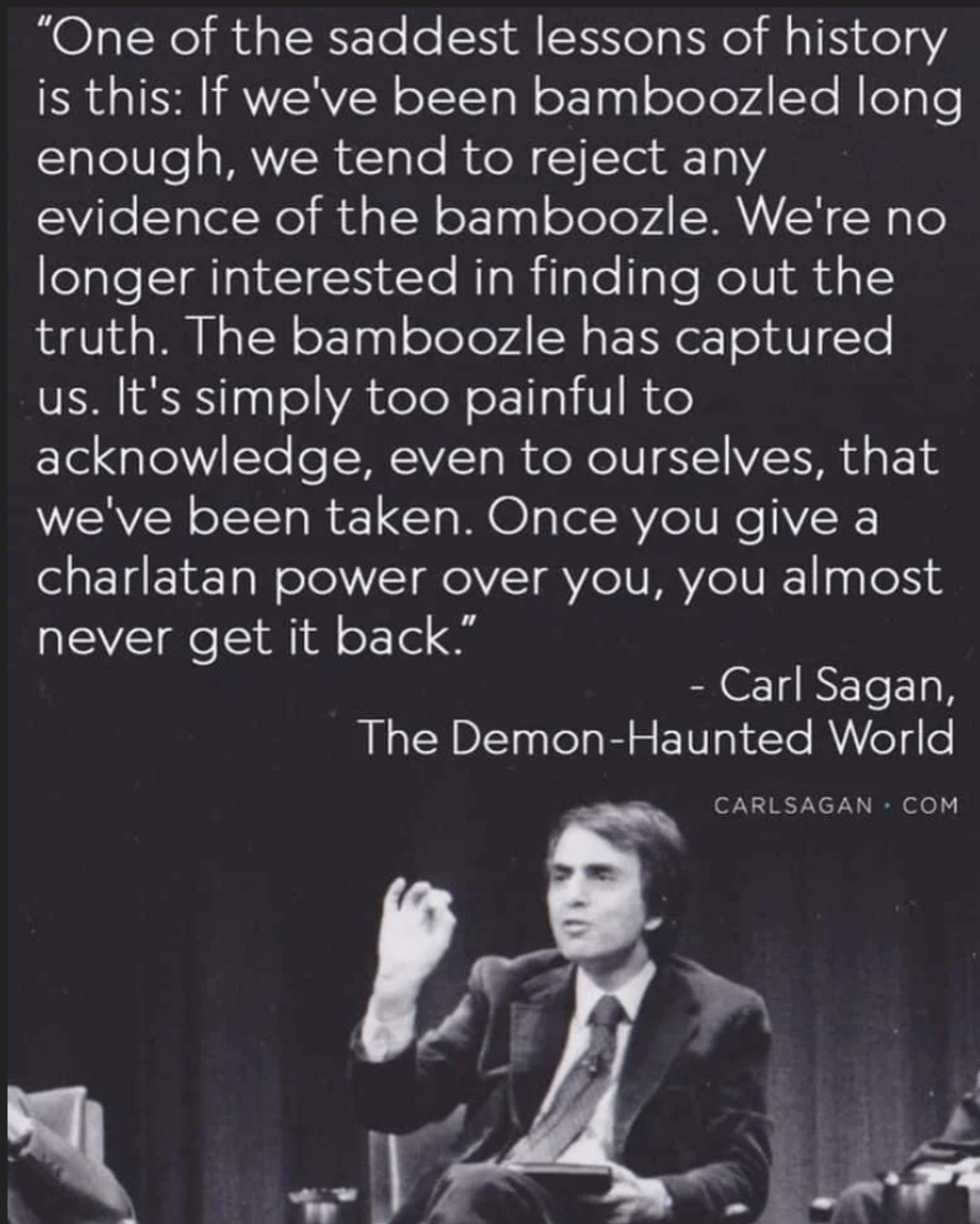


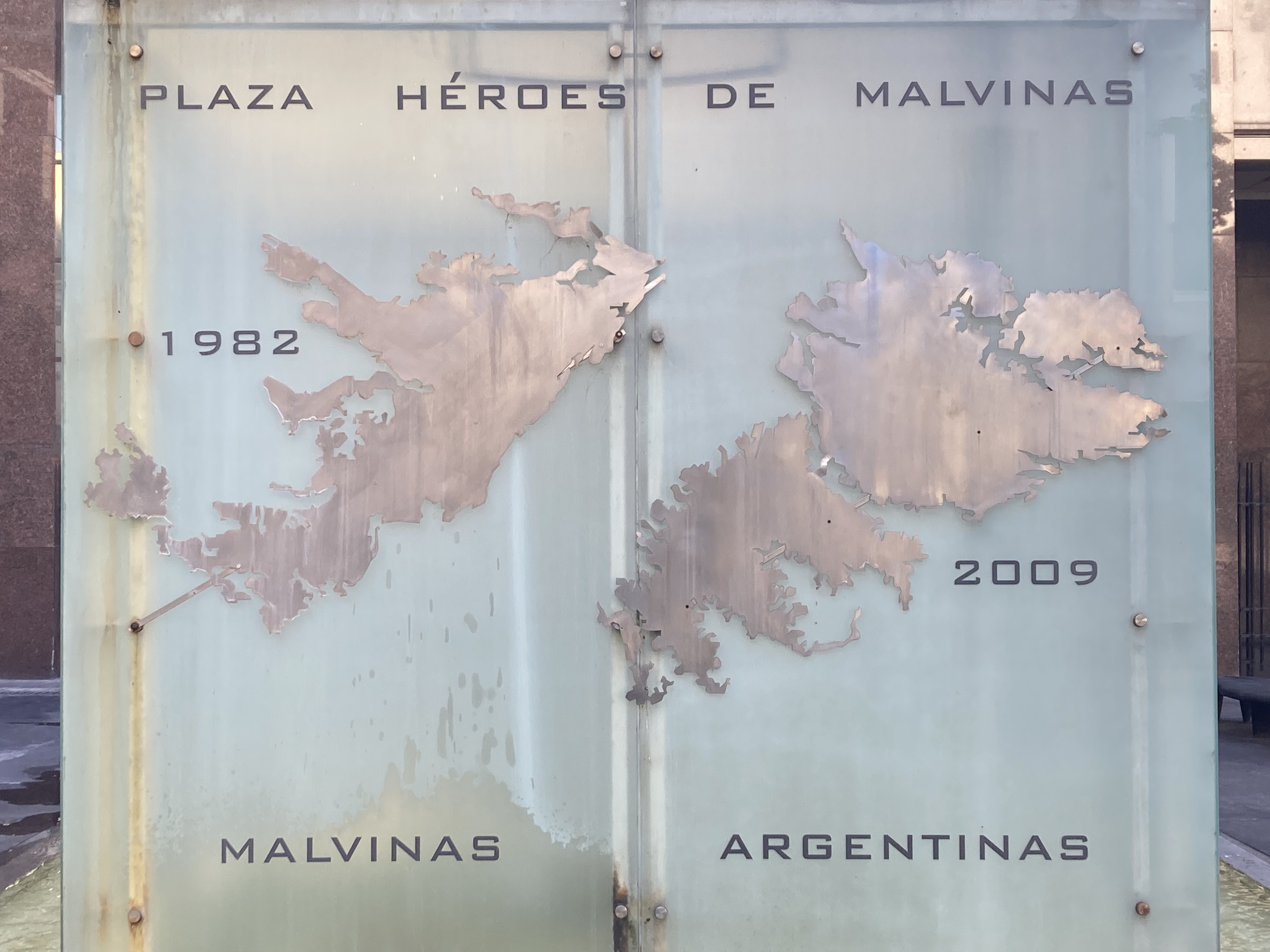


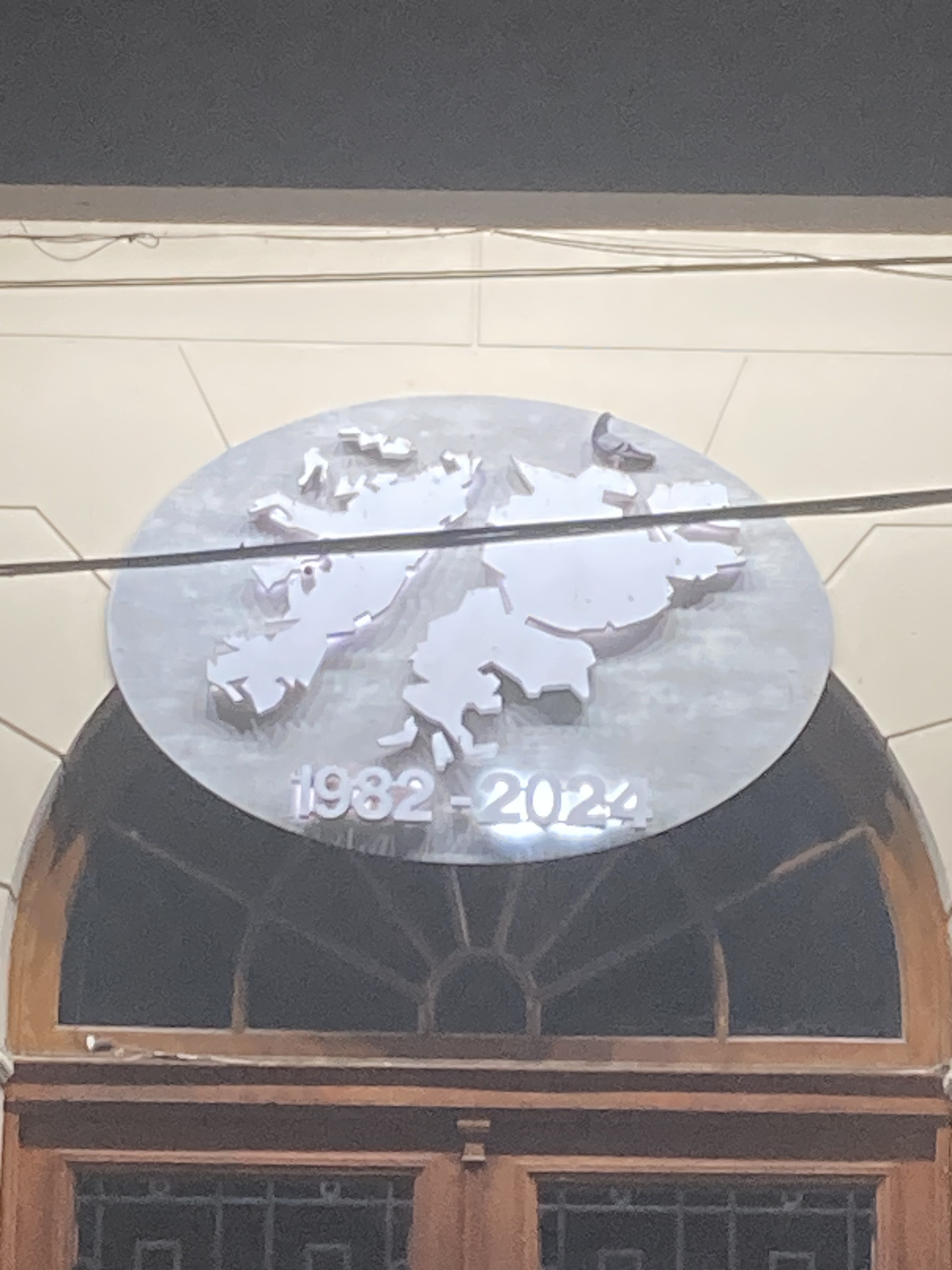
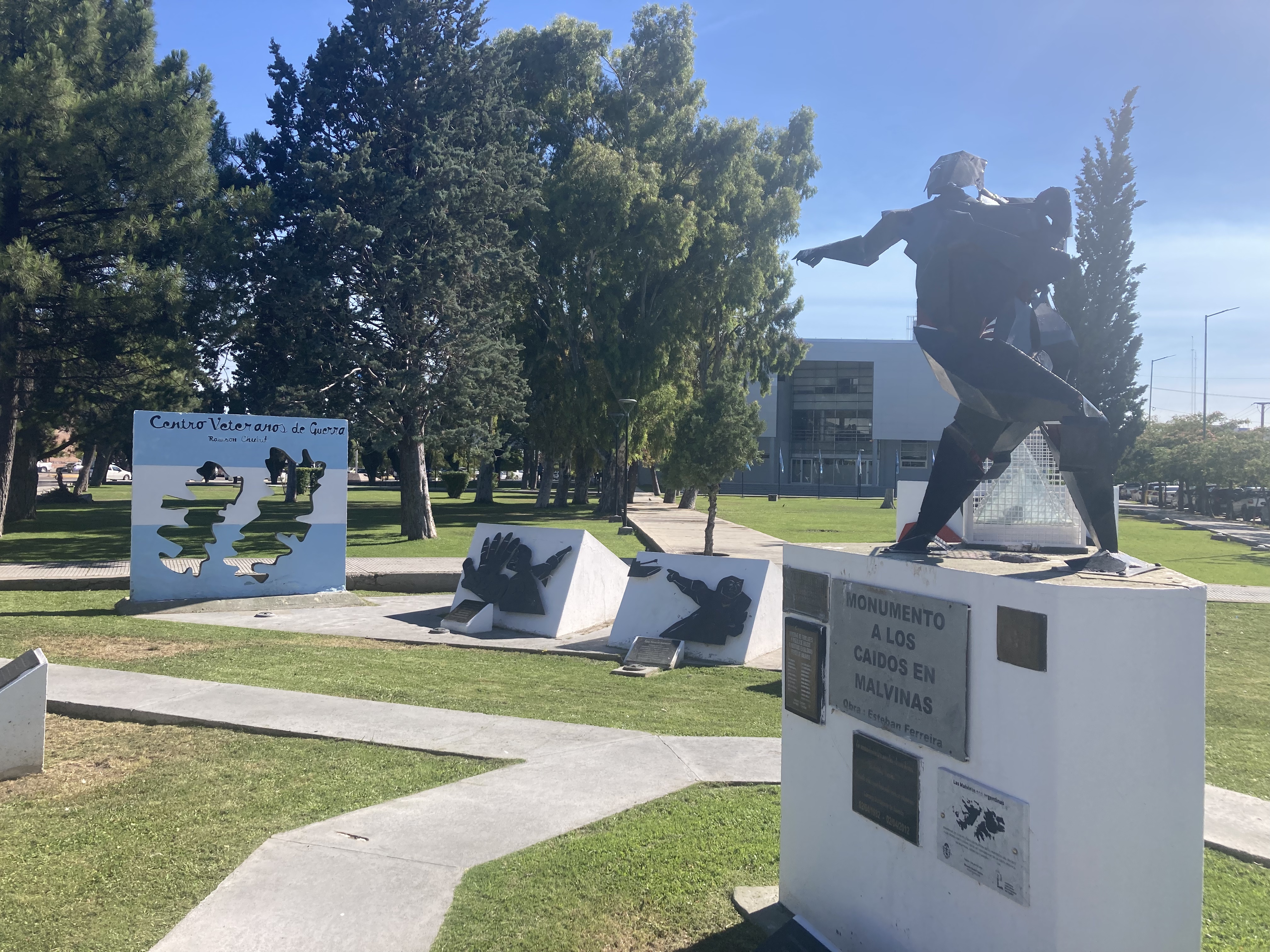
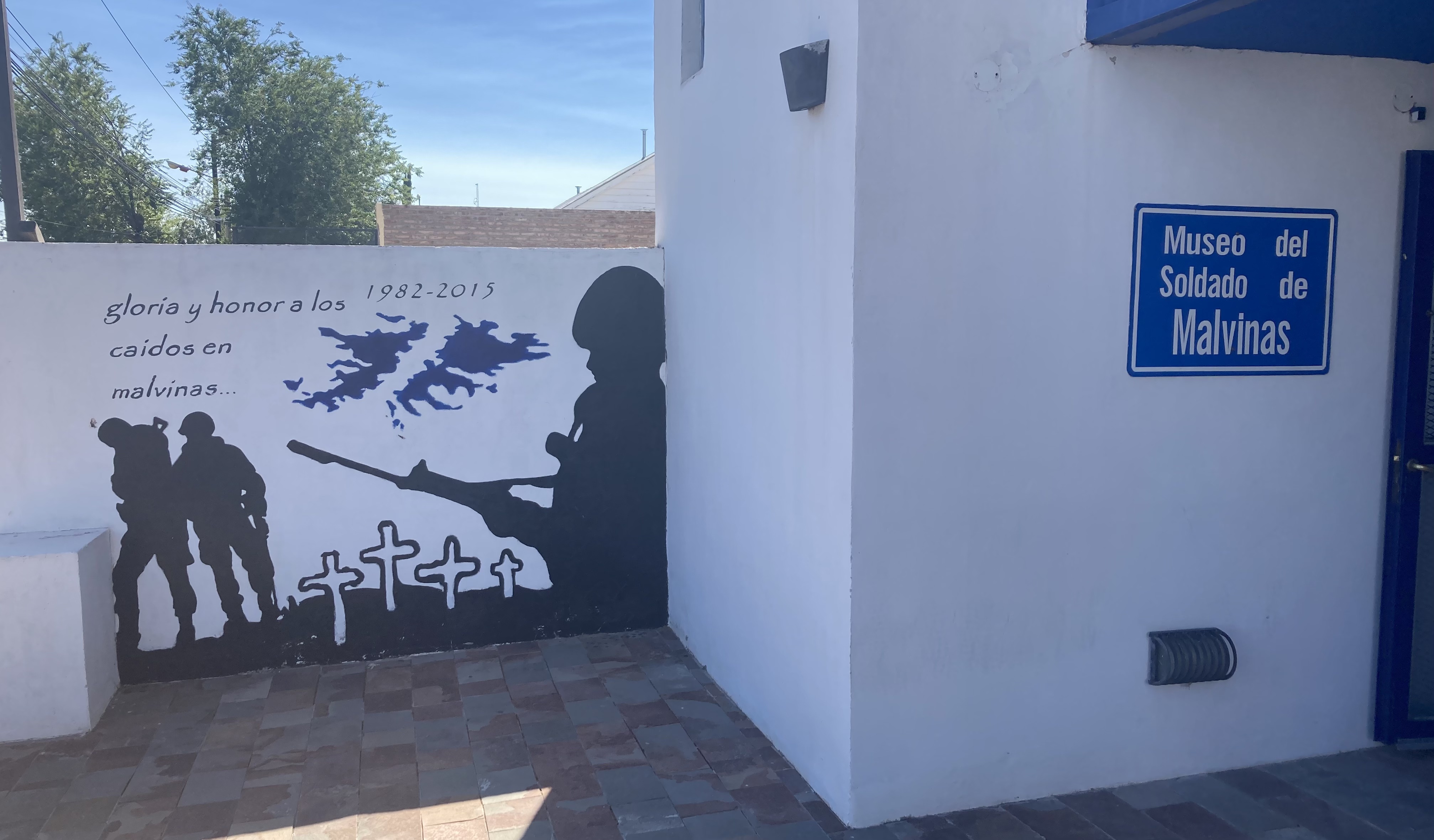


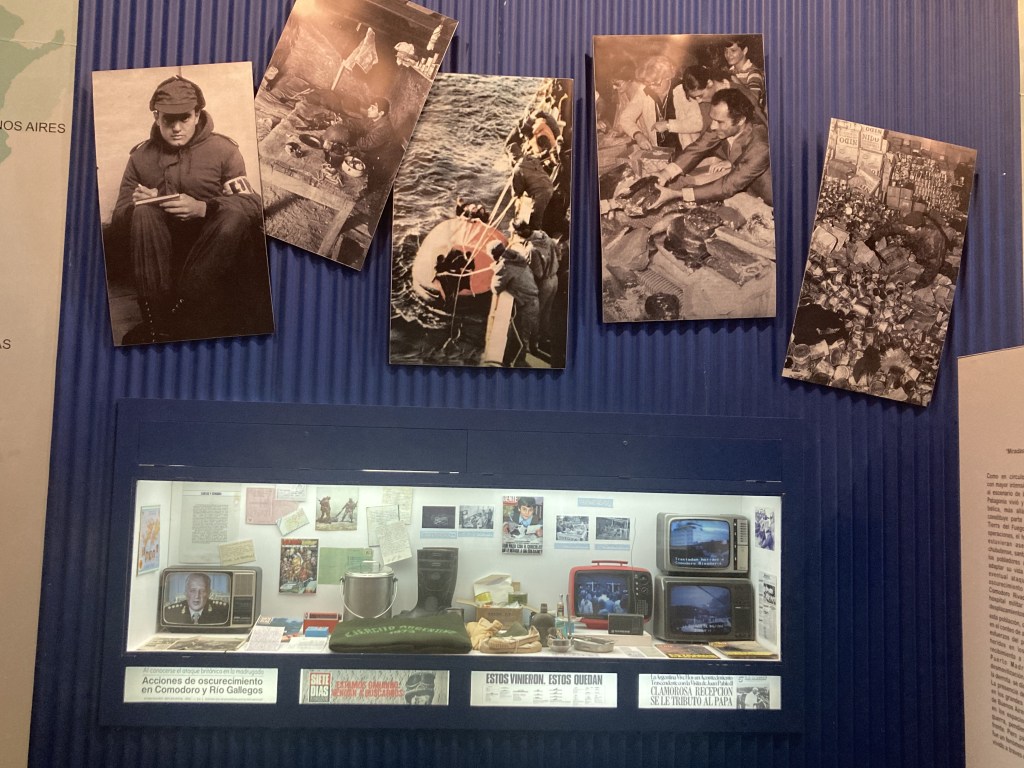


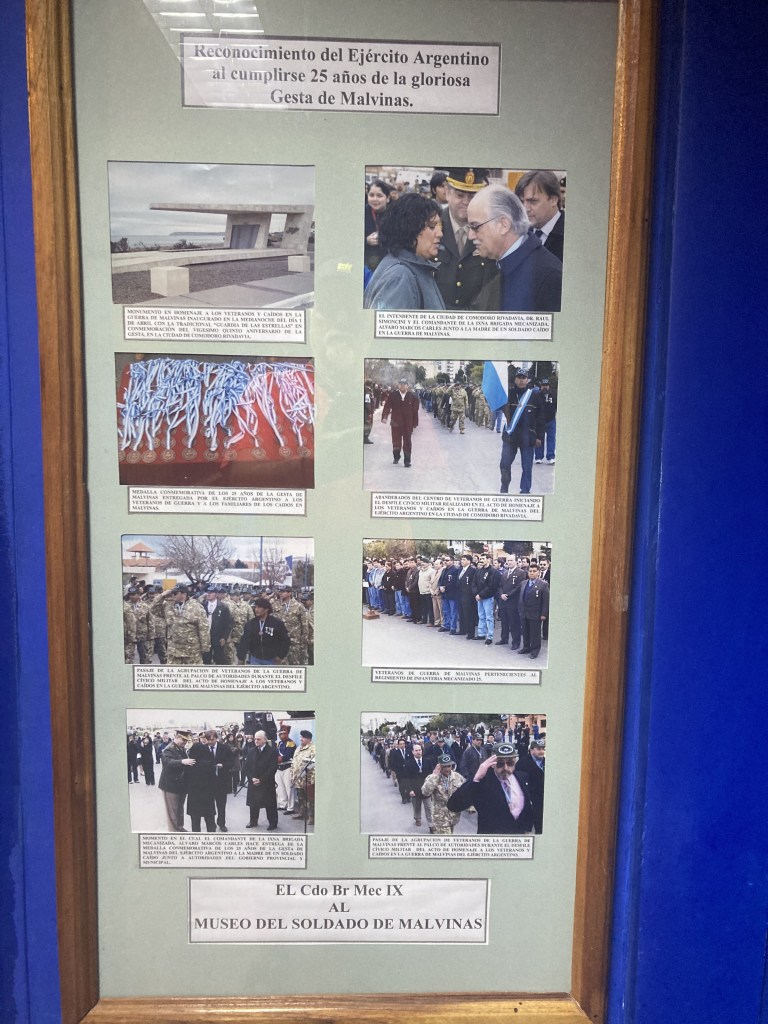


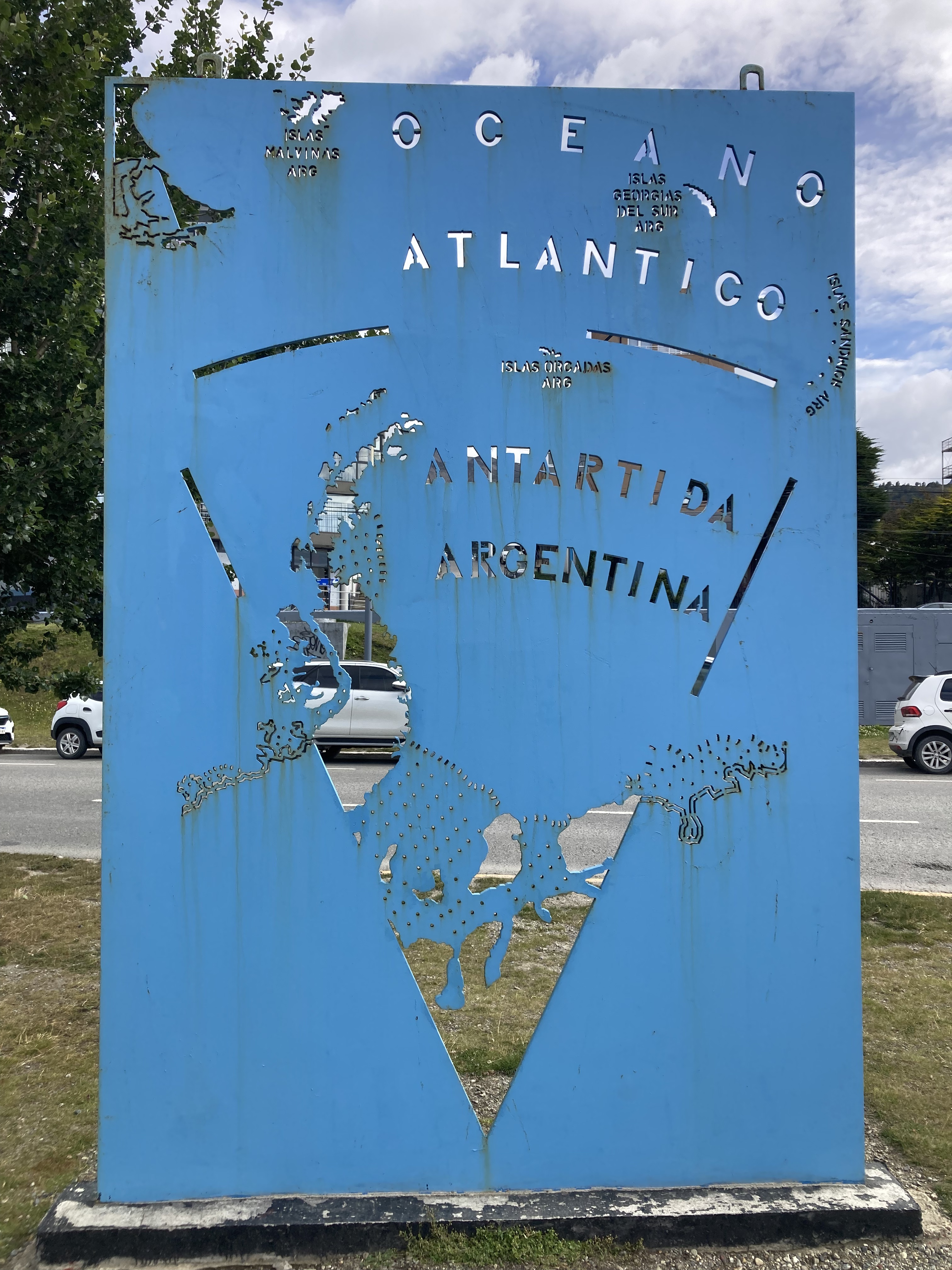
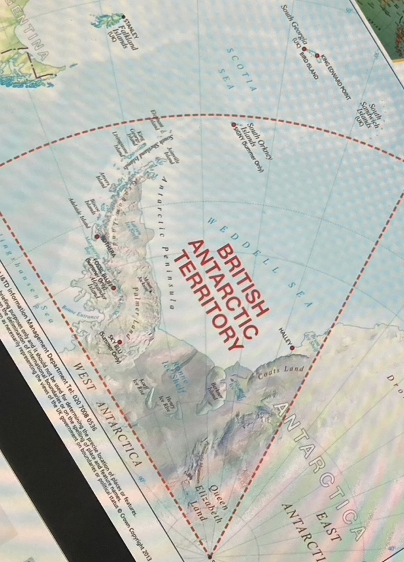


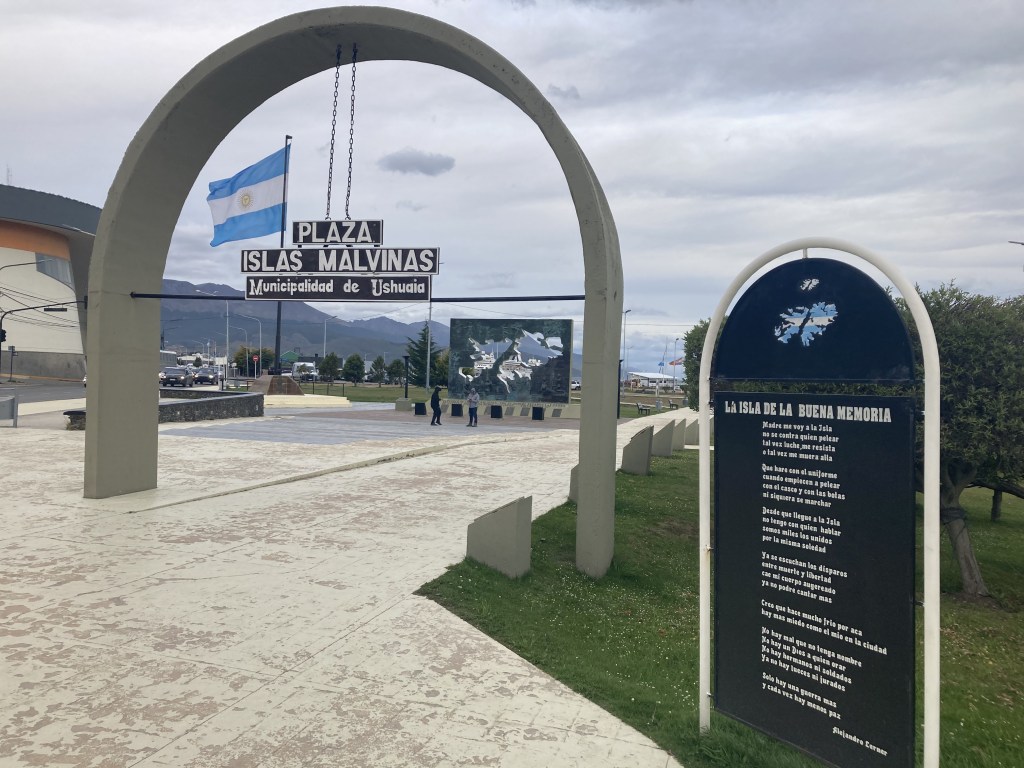

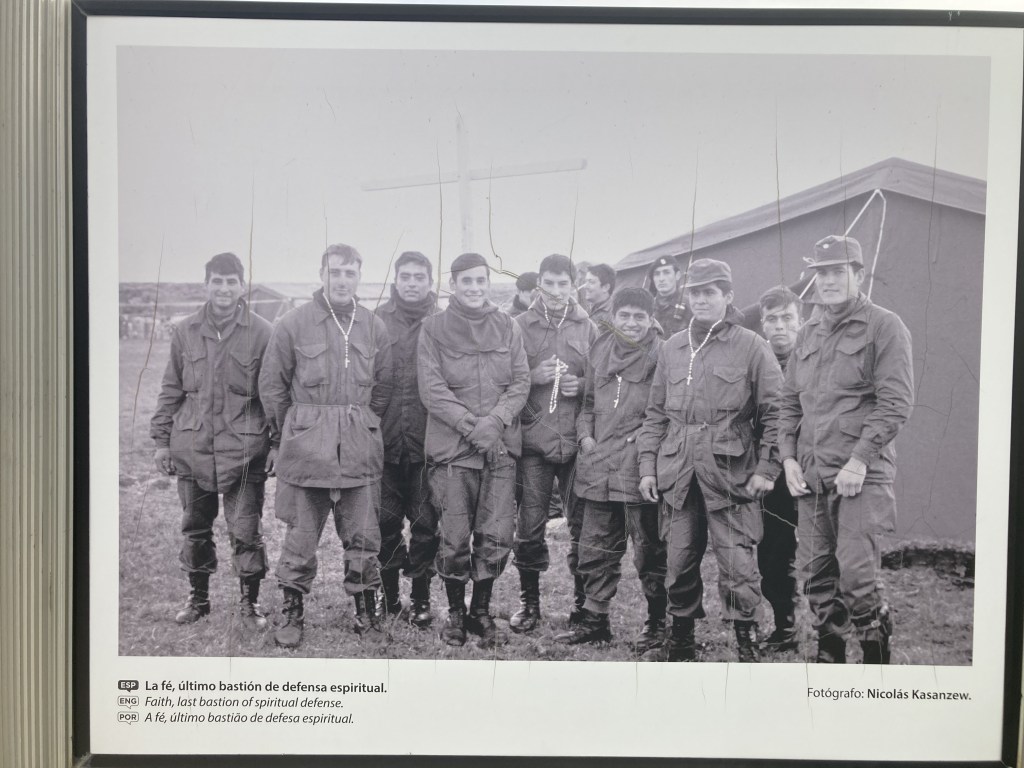


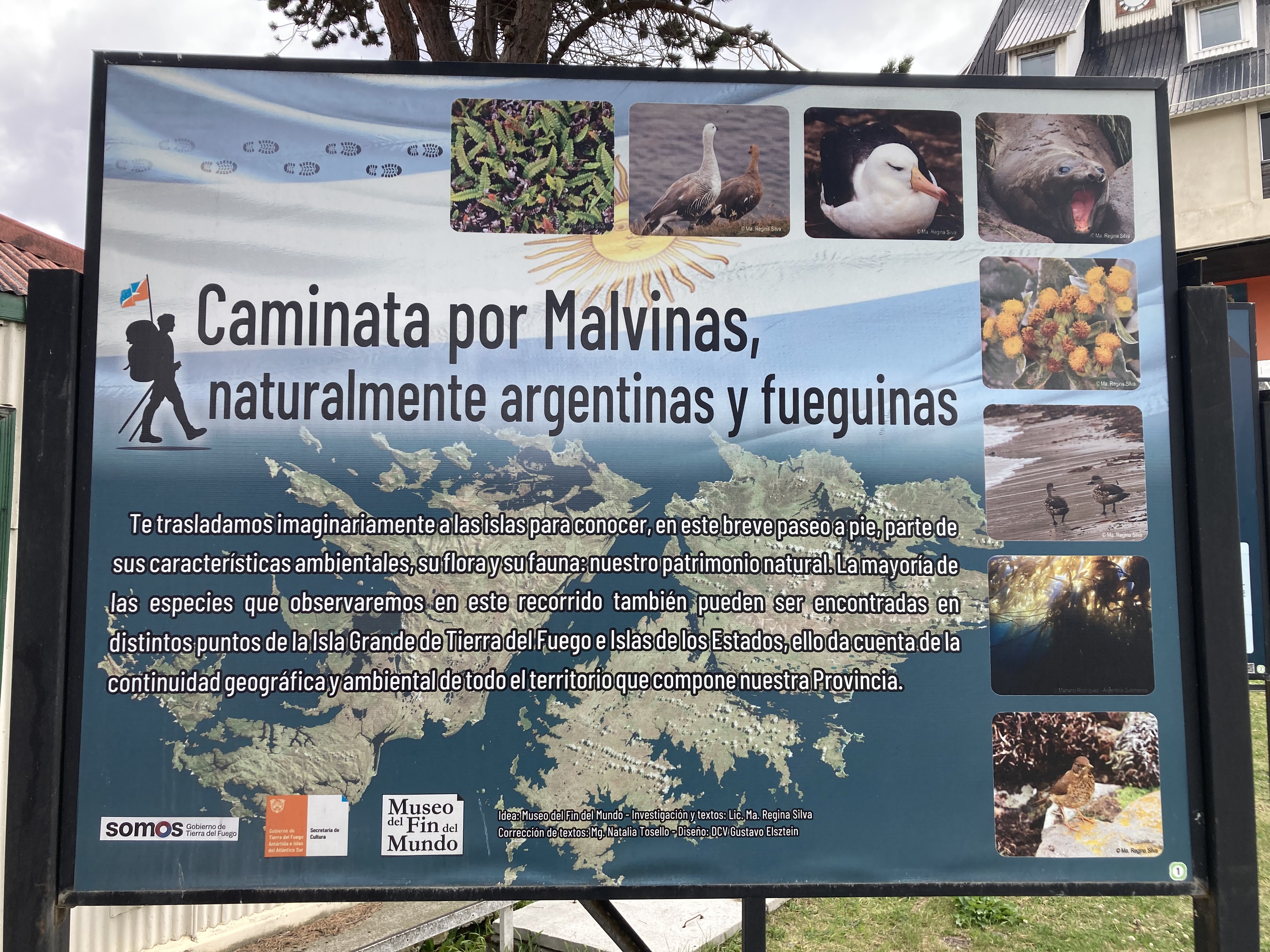


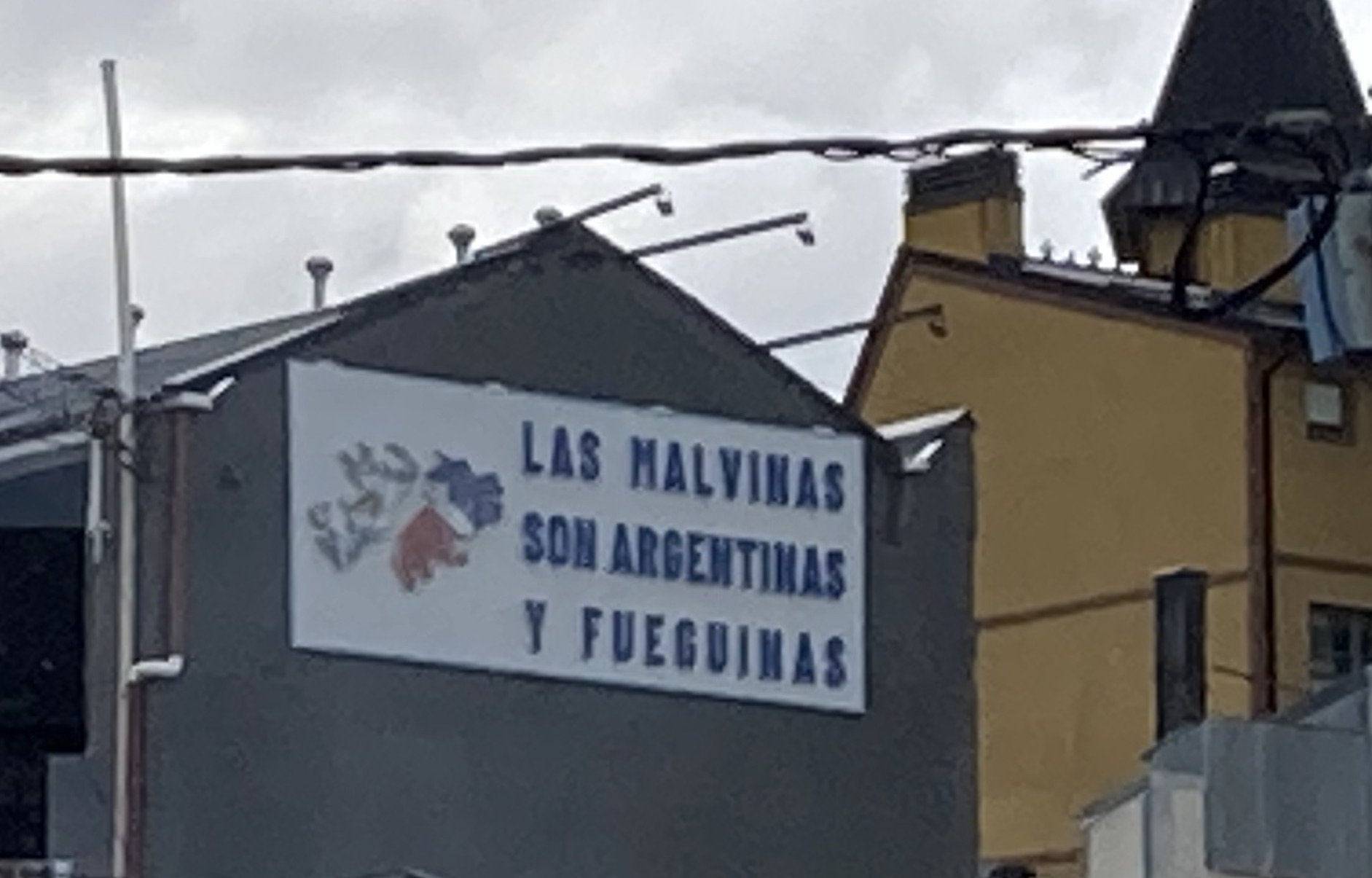

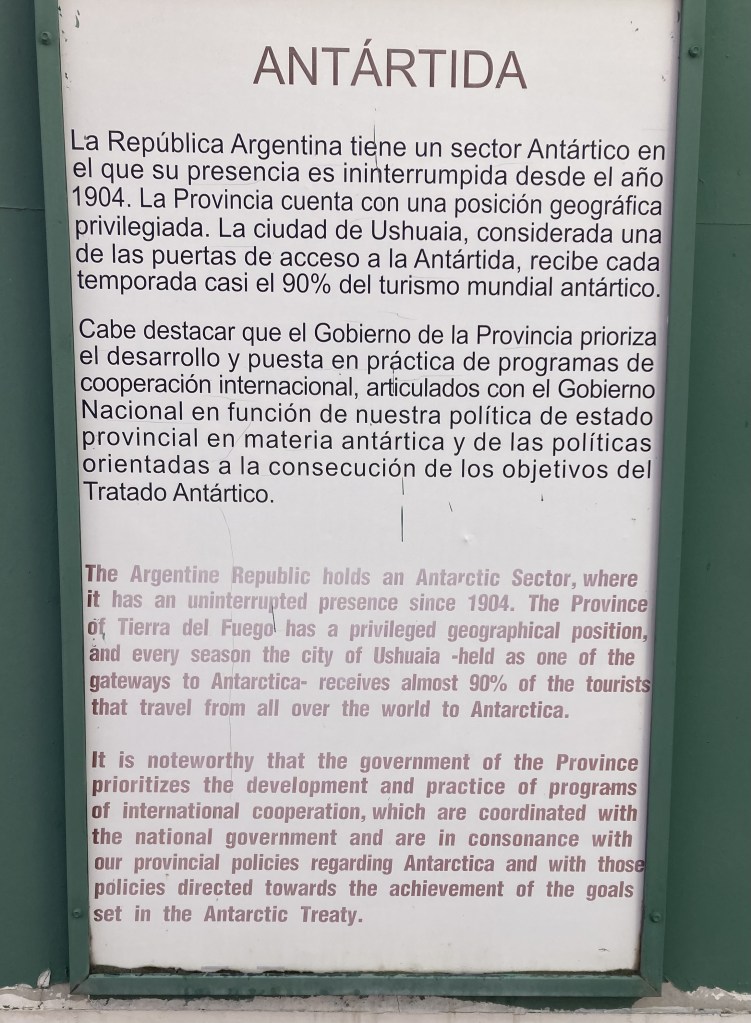


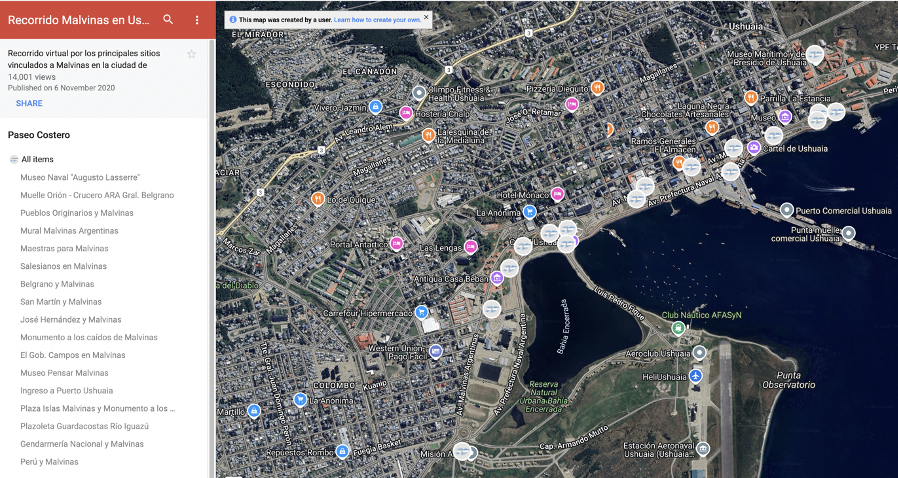
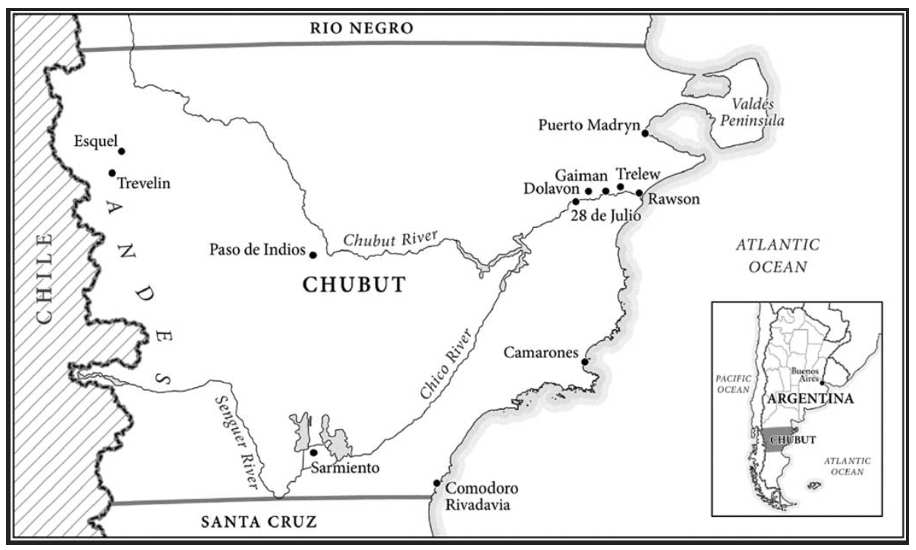

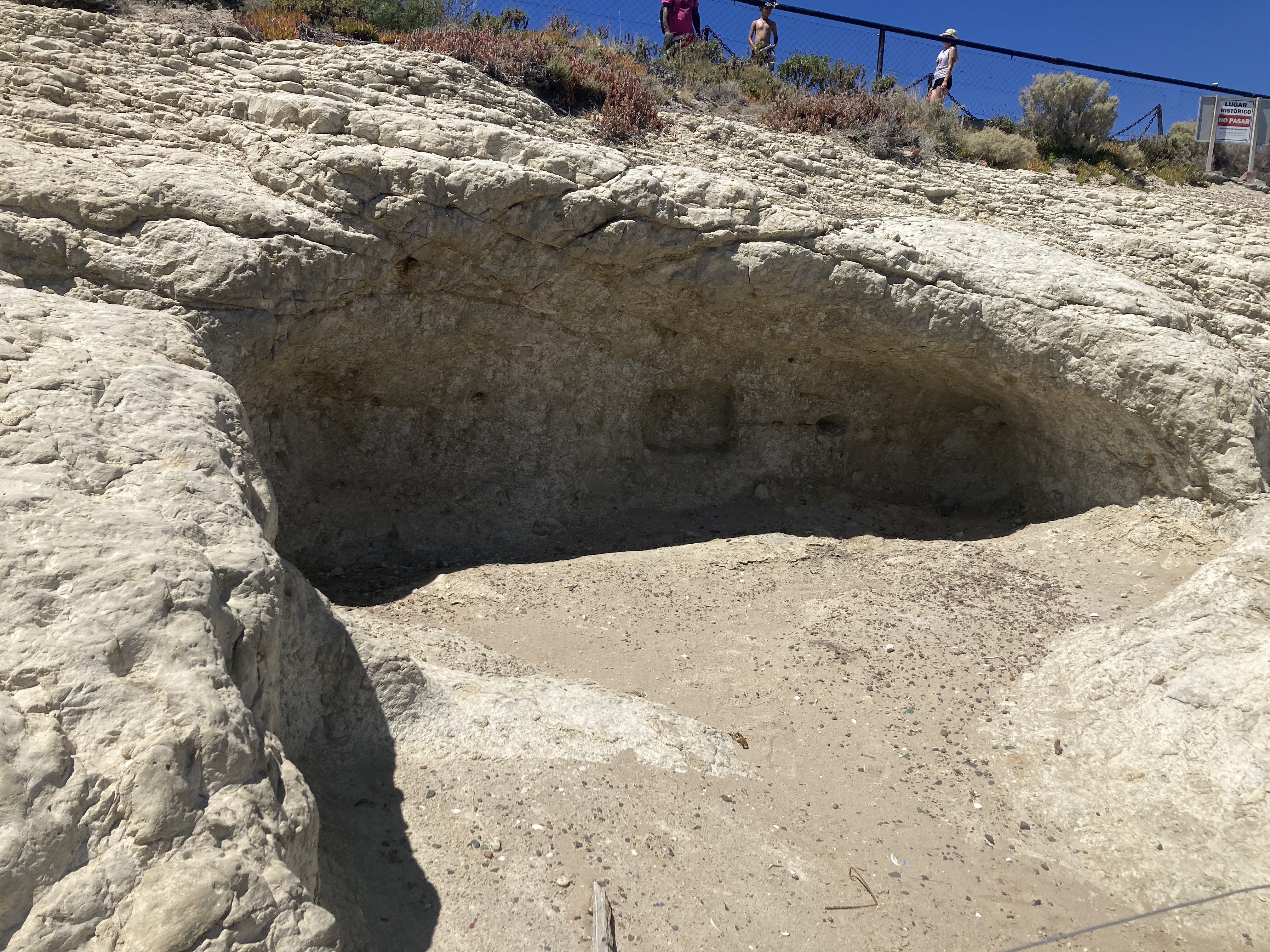

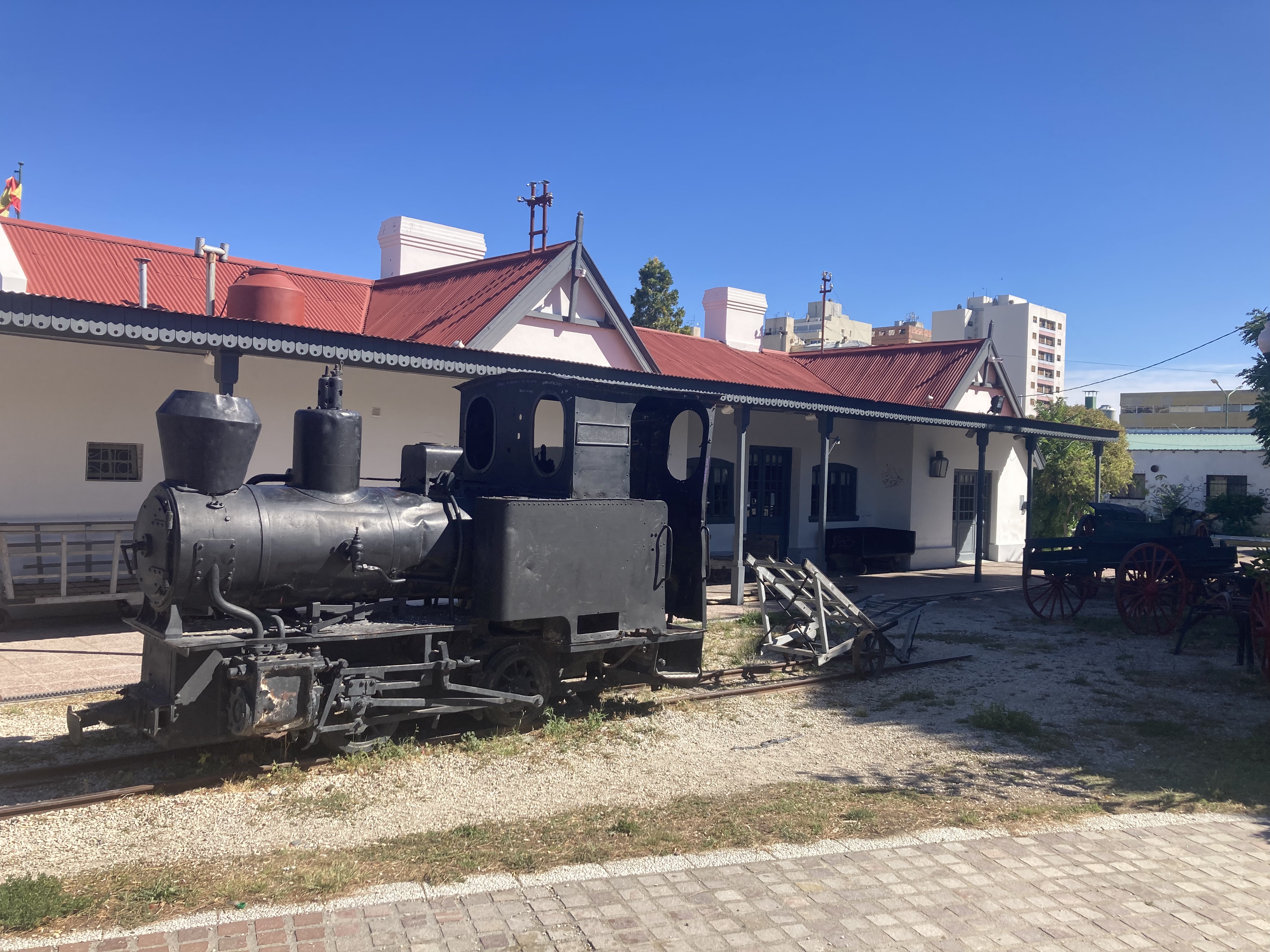


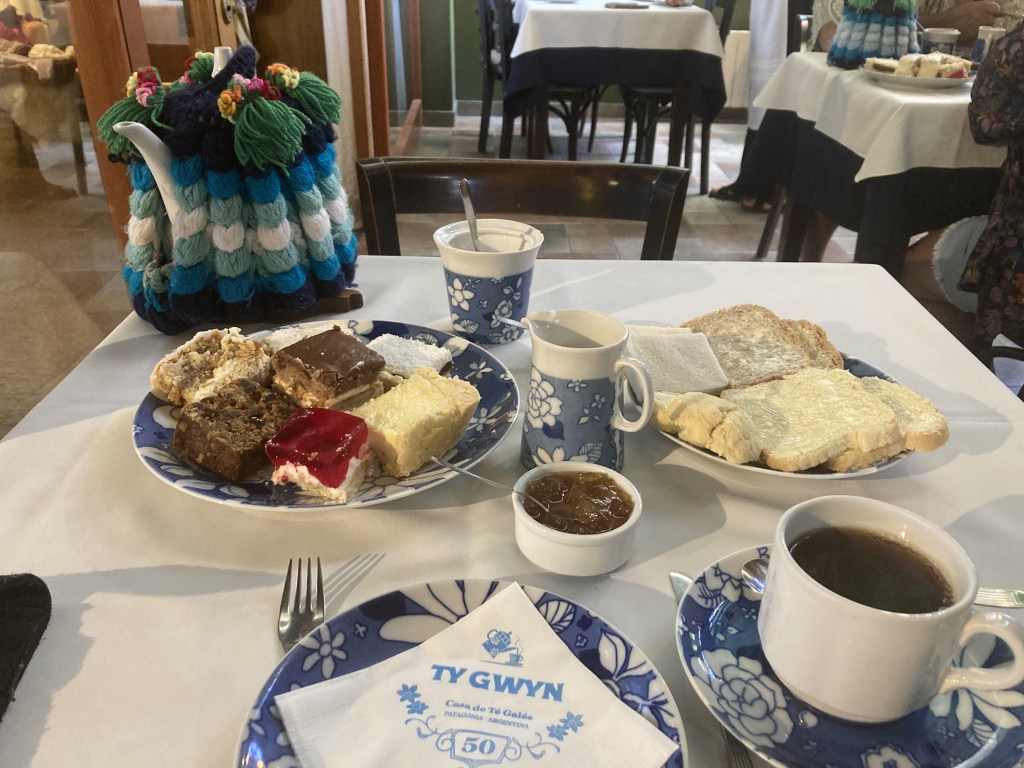


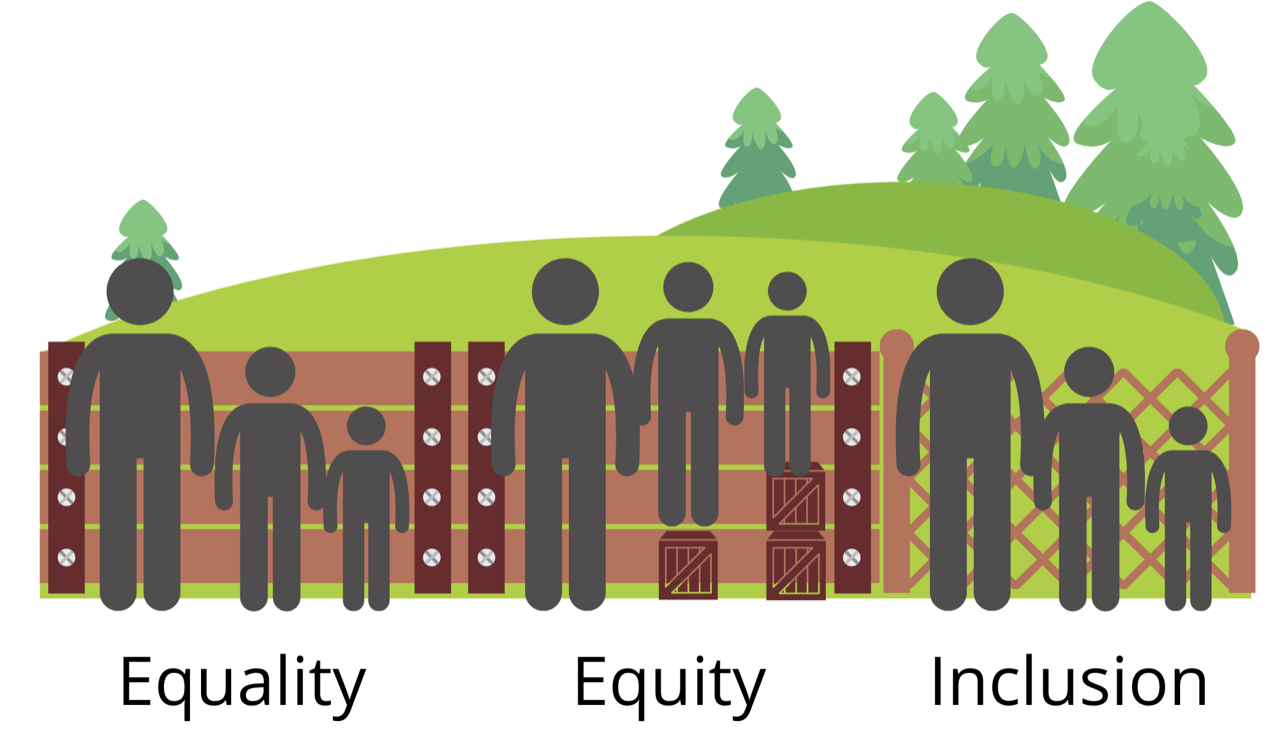


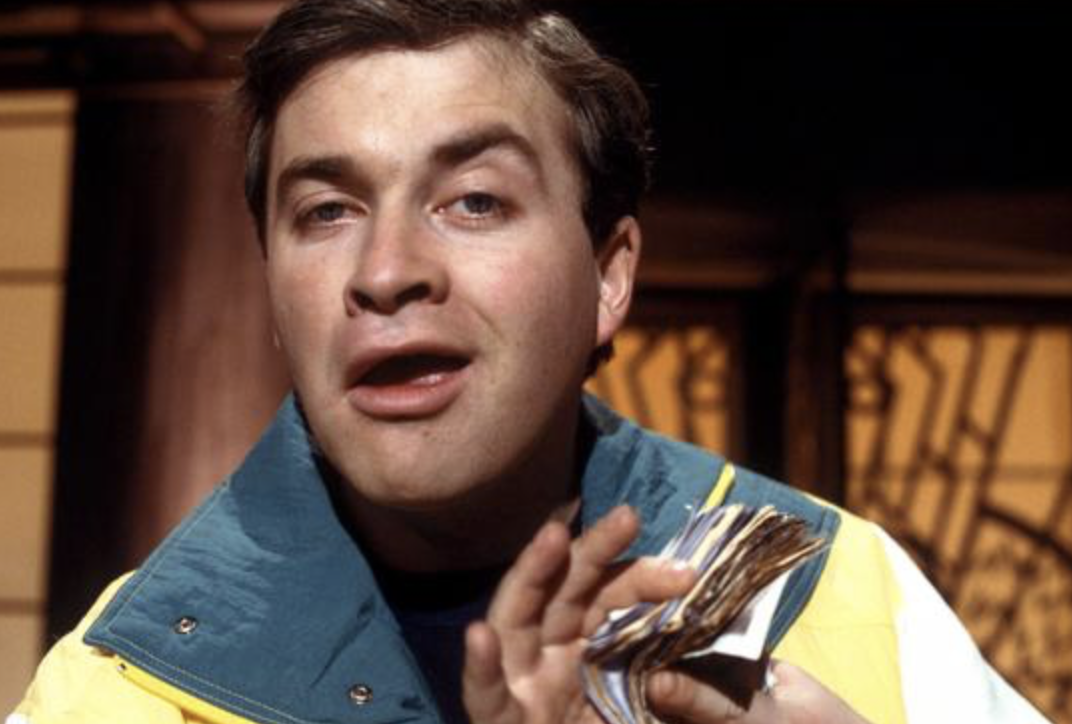
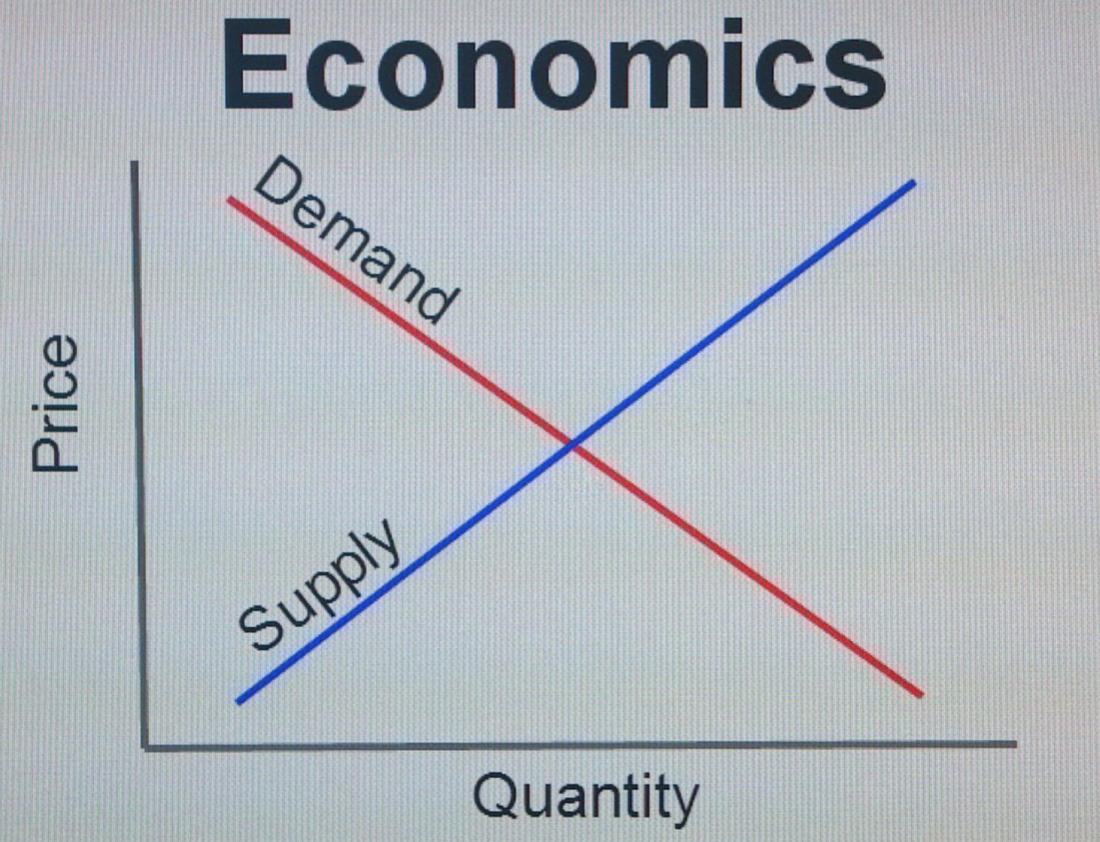


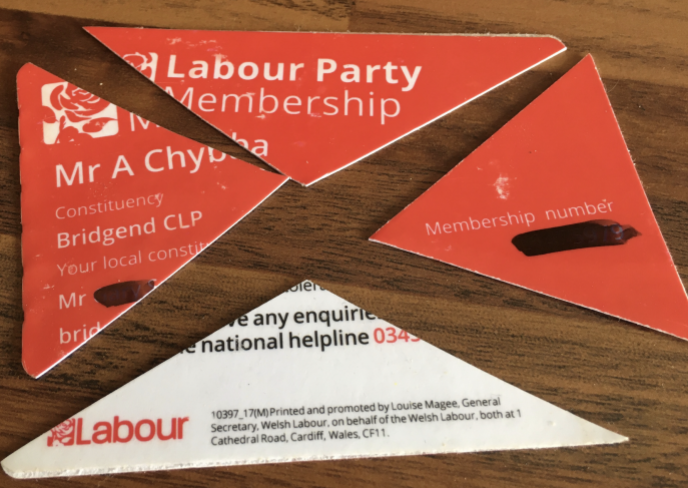
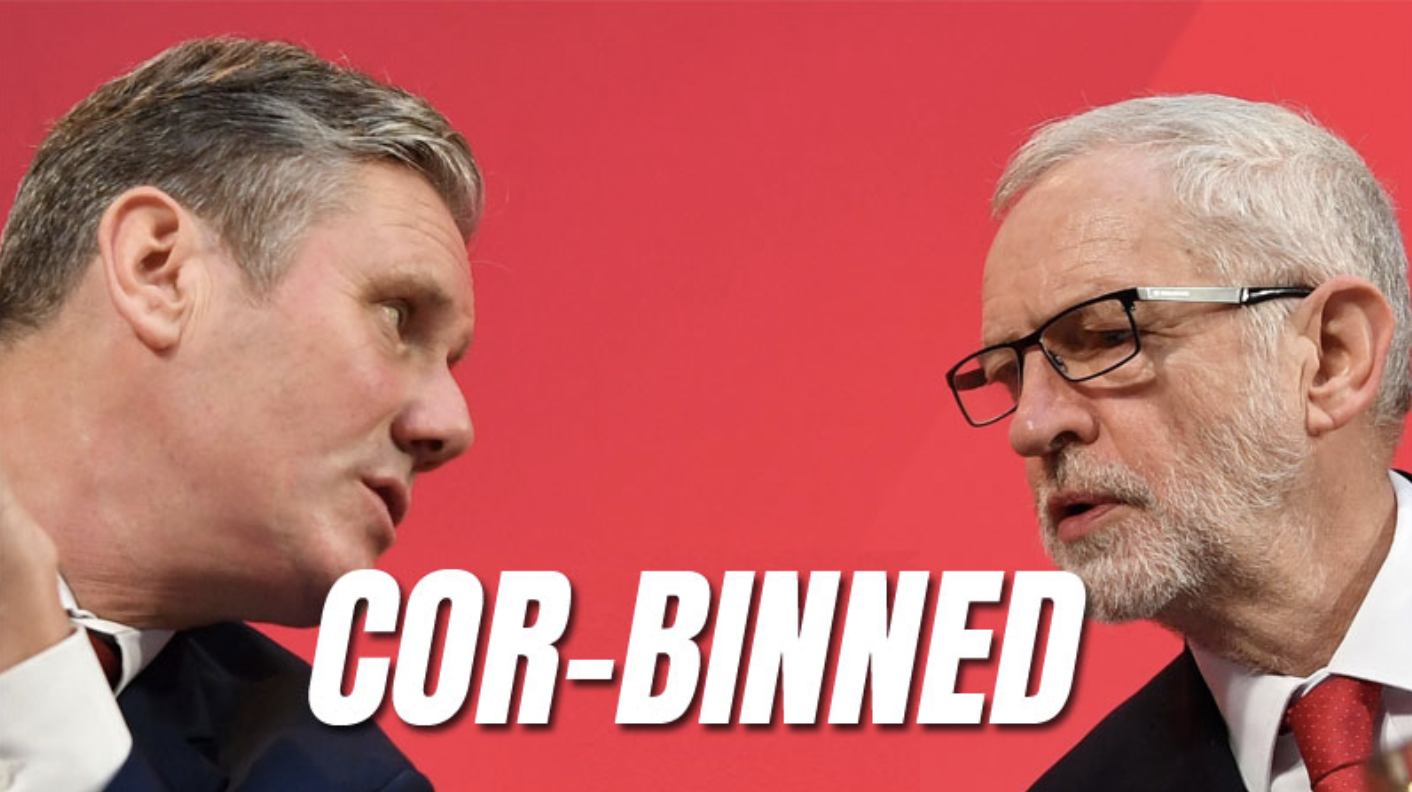
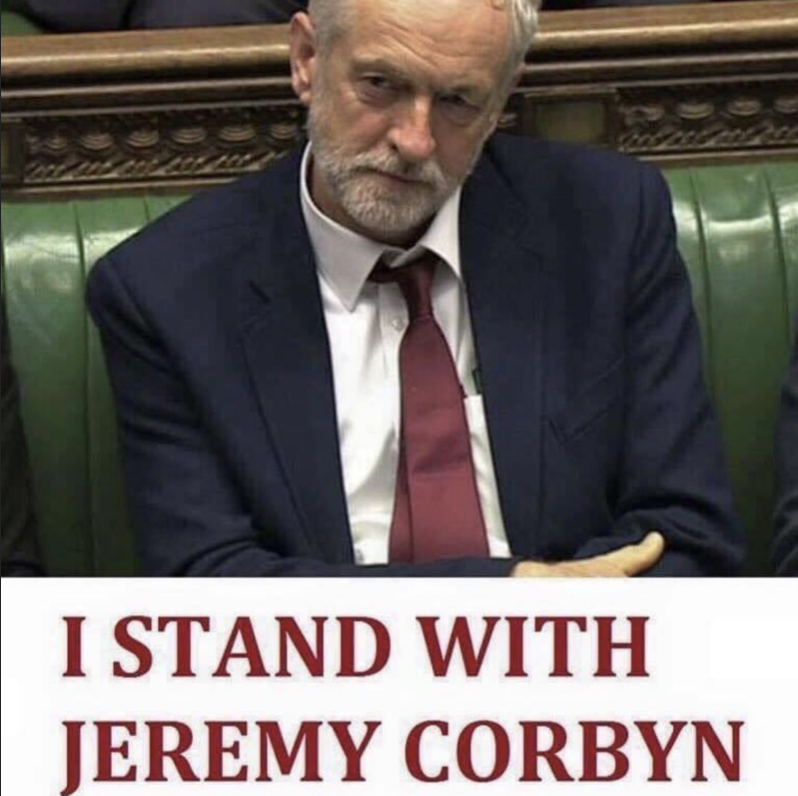


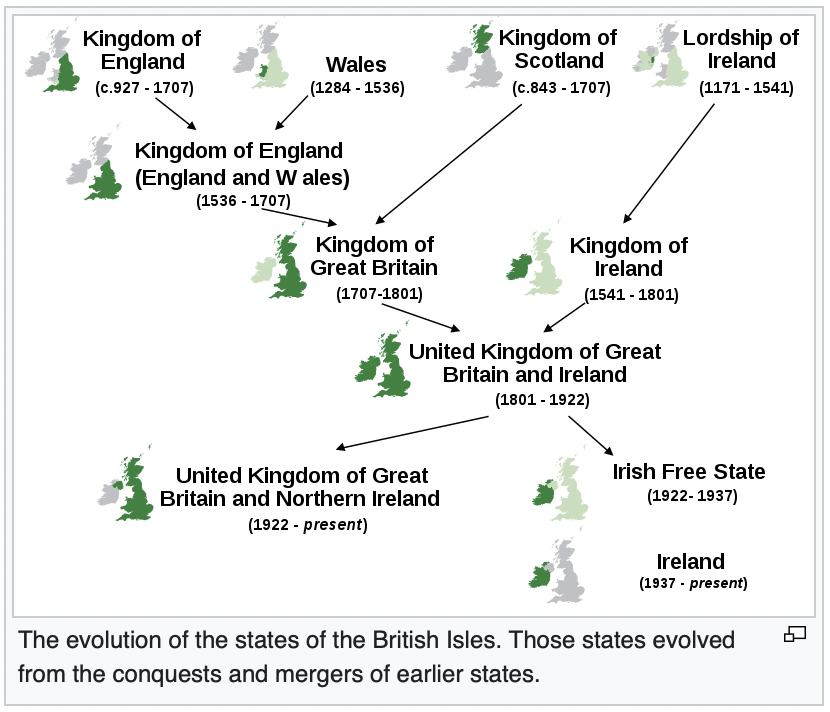


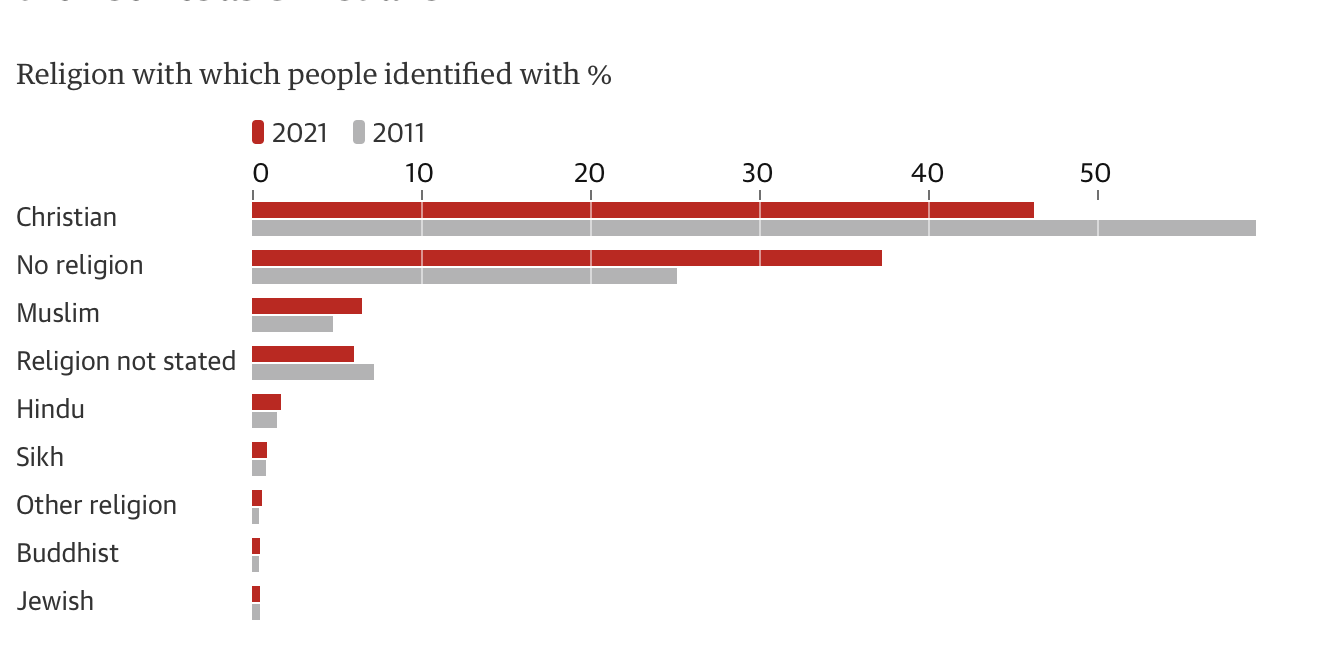
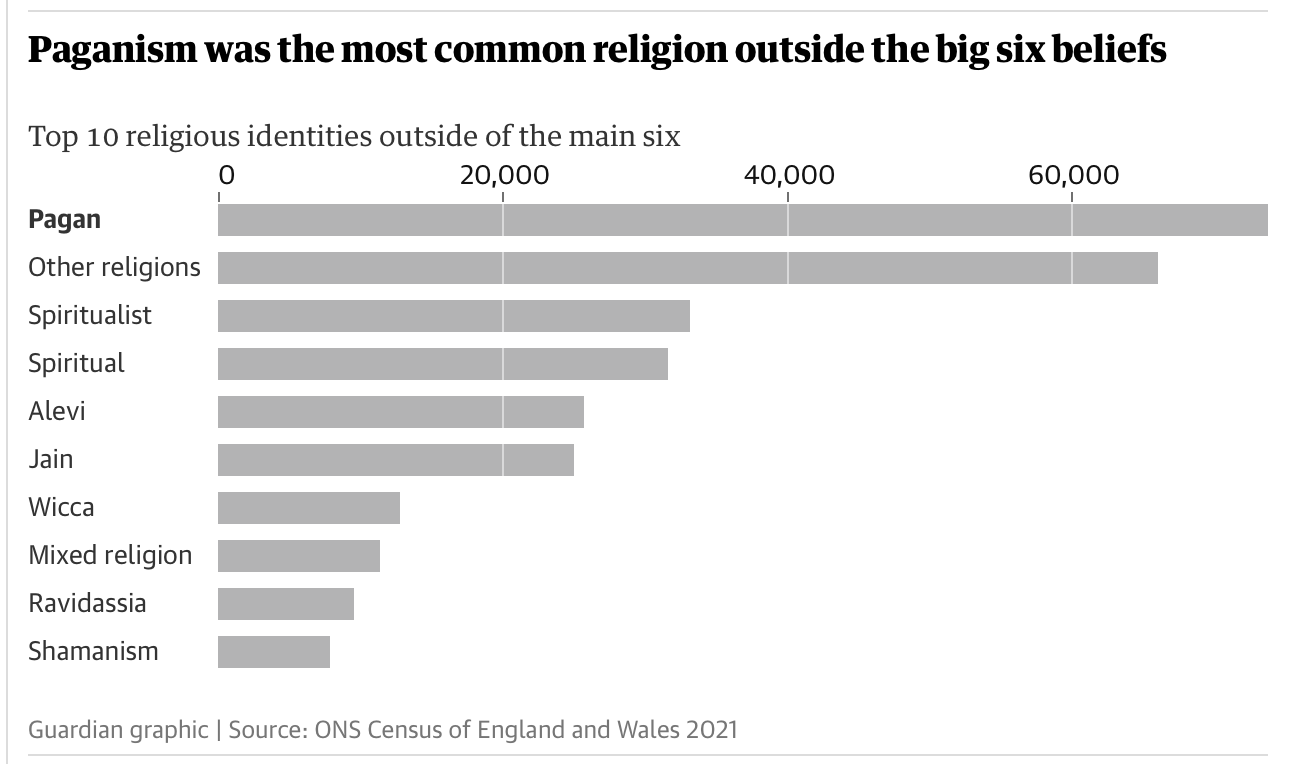




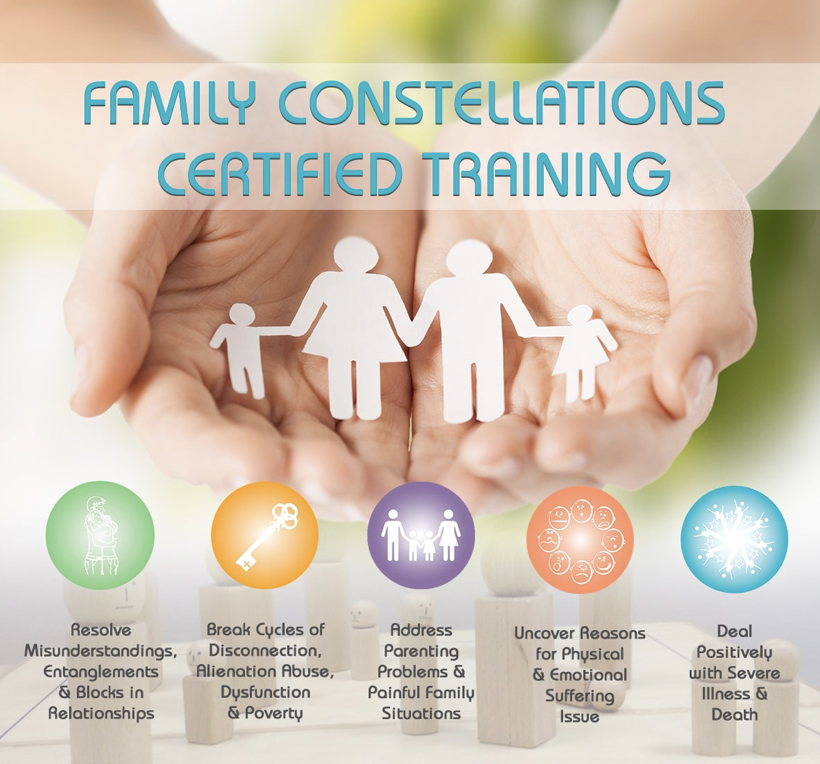


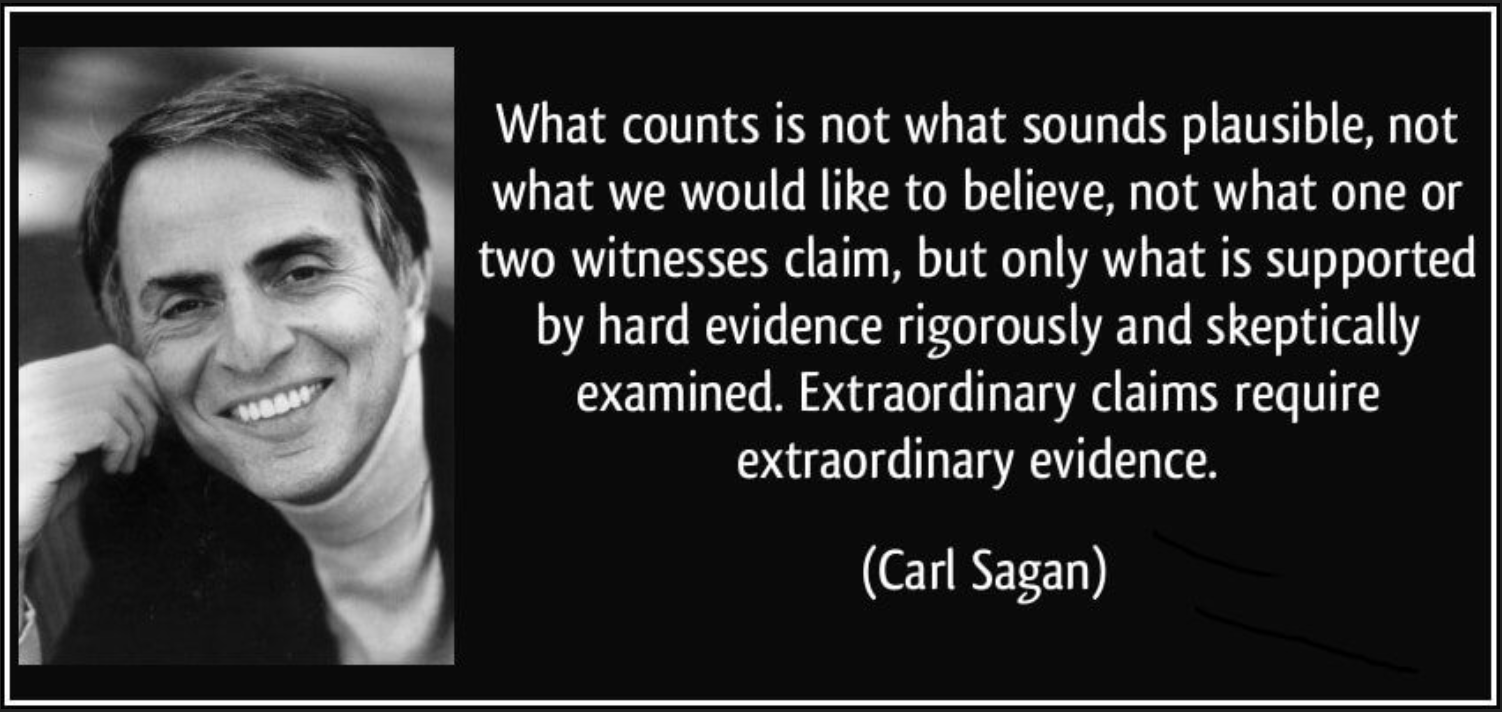






 Bridgend's Green Leftie