What is Occam’s Razor?

Occam’s razor (also known as the ‘law of parsimony’) is a philosophical tool for ‘shaving off’ unlikely explanations. Essentially, when faced with competing explanations for the same phenomenon, the simplest is probably the correct one.
William of Occam pointed out that the most probable explanation of any phenomenon is the one that makes the fewest assumptions and/or raises the fewest questions.
It could be said that the scientific method is built upon the principles of Occam’s razor. Underdetermination says that for any theory in science there will usually be at least one other rival theory that could conceivably be correct, thus the scientific method uses Occam’s razor in order to focus on the more probable option in order to frame its working hypotheses. Over time, we therefore build our understanding from simple ideas to more complex ideas as we refine our theories based on accumulated evidence.

Remember, however, that Occam’s razor is just a heuristic, a rule of thumb, to suggest which hypothesis is most probably true, and therefore the best starting point. It doesn’t prove or disprove anything; it simply leads you down the path that’s initially the most likely to be correct. Of course, ‘simplicity’ can be very subjective, so you and I might come to different conclusions when faced with a decision between the same 2 hypotheses. But hey, we all have to start somewhere in our quest for truth, assuming truth matters to us (more of which later!)
Applying Occam’s Razor to spiritual experiences
Over the last few years, I have witnessed and participated in a variety of events that could be labelled ‘spiritual’. Being ever open-minded, my position has changed from sceptical and scornful to sceptical and respectful in the light of these experiences. I can attest that such things can be interesting, thought-provoking and even very helpful, in the hands of the right practitioners and guides. But some of the conclusions some people are drawn to remain, to my eyes, somewhere between improbable and fanciful (to put it a bit more respectfully).
I have always been an admirer of the human spirit; the ability to battle through and overcome the odds; our survival instinct; our hidden reserves of resourcefulness and stamina. These are qualities that lurk beneath the surface of us all to varying degrees. We are generally unaware of what we are capable of until the moments these reserves are called upon. They occupy a place in our subconscious minds, along with other instincts and subconscious programming.

The subconscious mind is a staggeringly complex thing. It operates all the functions of our body without our conscious effort. It stores vast quantities of information and memories in accessible archives. It gives us imagination, creativity, instincts and gives us our personality. I therefore conclude that anything we might describe as our soul, or our spirit, resides here too. To suggest that our soul or spirit can exist anywhere else, and especially outside of our heads and/or after our bodies die, raises a multitude of questions as to how this works; each of which multiplies the odds against it being true, just like an accumulator bet. These questions spawn plenty of speculation, but rarely any verifiable evidence. To date.
It is from this position that I have witnessed or experienced various activities with a purported spiritual dimension.
Let me explore a couple of examples.
Family Constellations
Family constellations is a therapeutic approach designed to help reveal the hidden dynamics in a family or relationship, going back generations potentially, in order to address any stressors impacting these relationships and heal them.
This approach may help people seeking treatment view their concerns from a different perspective, and the therapist/practitioner may offer the family constellations approach as a treatment for issues proving difficult to treat with traditional therapy.
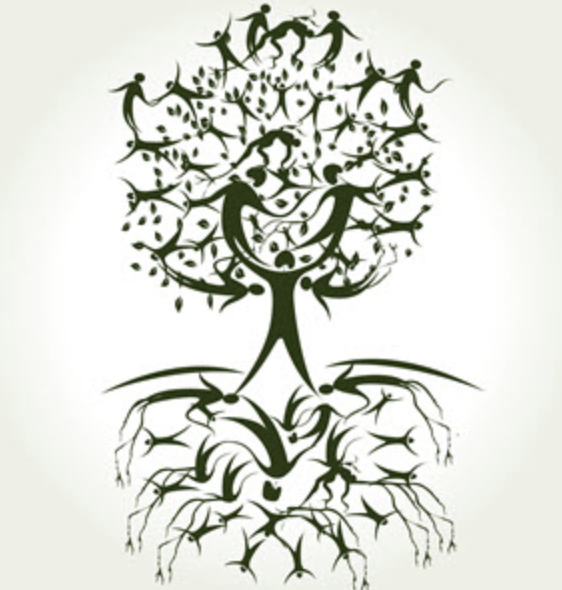
This approach was developed by German psychotherapist Bert Hellinger in the mid-1990s. Family constellations therapy evolved out of his work as a family therapist and his belief in the energy, both positive and negative, found in familial bonds. Nearly 50 years of studying and treating families led to his observation of patterns of mental health concerns, illness, negative emotions, and potentially destructive behaviours within families, and he suggested individuals might subconsciously “adopt” these patterns as a way of helping other members to cope.

Proponents of family constellations believe the method to be less restrictive than other methods of therapy and support its capacity to allow people to see different perspectives and alternate solutions. Having said this, it draws on numerous other modalities, including Gestalt therapy, psychoanalysis, Virginias Saitir’s family sculpting, Psychodynamic therapy, hypnotherapy, systemic family therapy, and even some Zulu beliefs. Done well, by a trained, skilled and empathetic practitioner, it clearly has the potential to be very helpful, and I have seen it be just that.
A family constellations session typically takes place in a workshop made up of a group of individuals who are not related. Members of the group stand in for family members of the person or couple presenting a difficulty or concern. The person seeking resolution of an issue, who may be referred to as the seeker, or the group facilitator chooses these representatives and places them into position as members of the individual’s family, also choosing one person to take the place of the seeker in order to complete the family dynamic.
The use of other individuals to represent the family is believed to illuminate the disharmony within the family, and the individuals standing in as members of the family are believed to be able to feel and experience the emotions of the person whose role they have taken on. Hellinger, the developer of family constellations, calls this sense of connectedness, which is said to be felt telepathically by members of the group, the morphogenic field.
Although the representatives speak very little, the sense of knowing believed to result from the process is said to be apparent to all who participate. The seeker watches from the outside to gain new perspective on the situation. Even when an issue is not fully resolved by the constellation process, the individual who presented the issue may still achieve insight into the issue for which they are seeking help. None of the members of the constellation ought to know the seeker or be aware of the underlying issues brought forth by the seeker, but they often report an awareness of specific emotions and feelings directly related to the individual’s situation. The facilitator may ask members to explain what they are feeling, specifically in their relation to other members of the family. This may shed light on certain emotions and relational aspects that can be clearly connected to the issue being addressed.Resolution may not be immediately clear to the person who has presented the issue. The facilitator in the session repositions members, occasionally asking them to speak their feelings aloud. Members may be moved from place to place in the constellation until they find a position or are able to make a verbal statement expressing feelings of comfort with their place in the constellation.
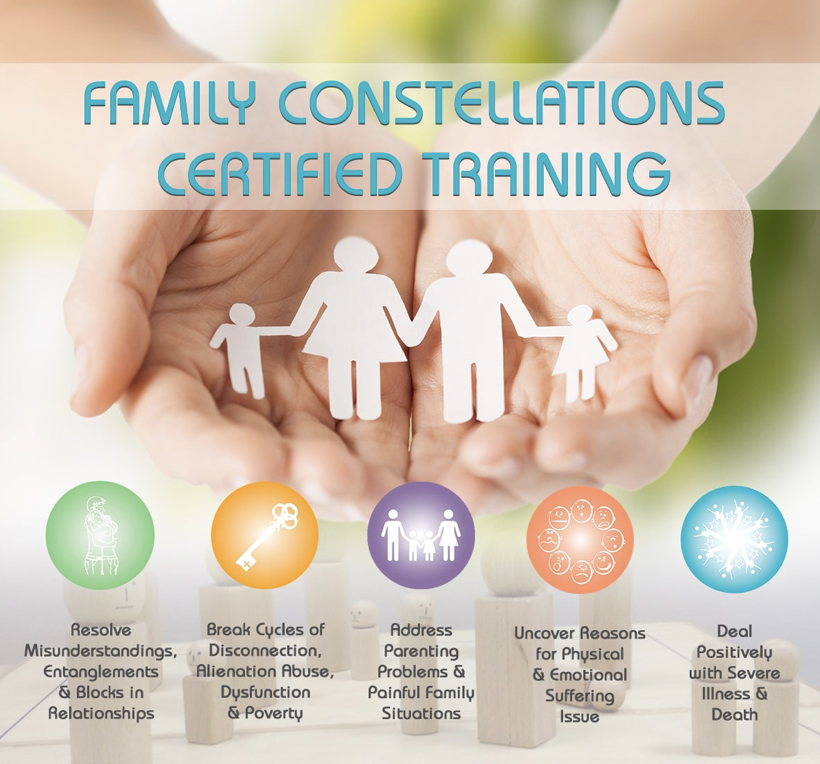
Family constellations work is considered most effective in addressing concerns that are systemic in nature. These concerns might include family of origin issues, parent-child relationship difficulties, and intimate relationship challenges.
It may be used as a potential therapy method for people who:
· Are seeking to address negative or harmful relationship patterns
· Want to be in a romantic relationship
· Are attempting to resolve family entanglements
· Want to overcome inner turmoil
· Have experienced significant trauma, or loss
· Are in search of personal and professional success
Family constellations is gaining popularity as an alternative approach to therapy, particularly in Europe, America, Asia, and Australia, where it is seen by many as a powerful and cost-effective method of addressing relationship-based challenges. Its popularity may be in part due to the brief nature of the therapy and its unique method of resolving challenges in which others are involved without necessitating the presence of those other individuals.
Proponents of the family constellations approach believe each member of a family, adult or child, longs to feel significant and find a place within the family construct and support the method as a helpful step in the process of achieving this sense of significance and belonging. People who participate in this technique often find themselves unearthing surprisingly emotional reactions regarding their relationships, familial or otherwise, regardless of their age.
Many individuals report achieving significant insight and clarity through constellation work, but because of the subjective therapeutic process and experiential nature of family constellations, family constellations therapy is clearly not an evidence-based approach.
So, what is actually going on here?
The choice of participants is important and generally determines the success of the process, from what I have witnessed. They must be open-minded and empathetic people. The open-mindedness is important, I believe, as it allows them to access their own reserves of instinct, experience and imagination; their own spiritual dimension, if you like. In so doing, they can give the ‘seeker’ some new perspective and potential insights that may help them resolve the issues being addressed. All present can similarly draw parallels to their own lives and potentially benefit too.
What is not going on?
Occam’s Razor compels me to point out a couple of things. What family constellations don’t do is put us in touch with the extant spirits of people not present. To be fair, I haven’t seen practitioners explicitly suggest they do this, but it is an inference taken by some present. The spirits of other people, insofar as they exist at all, Occam’s Razor would dictate to me, exist in our often-deep-seated memories and experiences of these people, which can have lifelong legacies lurking subconsciously and impacting on our conscious interactions with people and the world in general. We can make peace in our minds by changing our attitudes to familial connections past and present. We can change our behaviours towards, and responses to, those still present in our lives, and how we respond to memories and past experiences of those that may now be dead. Family constellations can help us achieve these things.
Thus, this form of therapy does have a lot going for it. But is does involve rummaging around in the dark recesses of our subconscious, our soul, our inner spirit. It therefore does have the potential be quite dangerous too.
I have found references to the German agency, Forum Kritische Psychologie, that reported four cases of people seeking treatment for unhealthy obsessions they reported developing as a result of attending a family constellations workshop, and a Dutch psychiatrist reported another clutch of individuals experiencing mental health concerns they said developed after they attended a workshop.
Ironically, these cases all seem closely linked directly to Hellinger’s work in Germany, as he developed the approach. Hellinger, on closer examination, appears to be a rather unpleasant character with some distasteful views (misogynistic, homophobic and antisemitic, for example). This shouldn’t detract from the good work done with his family constellations approach by nicer human beings! But it does underline the need to know and trust that the practitioner is trained and competent, empathetic and has no underlying agenda before allowing them to stir what often lies very deep indeed.
I’m pleased to be able to report that the practitioner I am most familiar with is those things and operates in an admirably thoughtful and careful way. He holds regular sessions (every 4 weeks on a Thursday evening, last I looked) in Llantwit Major (scroll down this page: https://healthconscious.org.uk/yoga-studio-glamorgan/ ). Give it a go if you think it may be helpful to you. Like many such things, if you think it will be helpful, it likely will be helpful. If you think it won’t be helpful, it likely won’t be.
Past life regression
This is a technique that, while based on certain assumptions I find very difficult to accept, can still help give us a window into what lurks beneath our conscious minds.

Past Life Regression is a technique which purports to take an individual back through time to their previous lives by accessing normally hidden memories in the subconscious mind. It needs a trained therapist to lead you and employs the use of hypnosis along with visualisation procedures similar to those used in some forms of meditation.
I have experienced the benefits of hypnotherapy in dealing with a couple of issues as a young adult, and therefore have a lot of respect for its potential to address deep-seated issues, such as rage or anxiety. These issues are invariably tied to experiences in our pasts that we struggle to consciously recognise, rationalise and deal with.
But can they really be in any way connected to past lives? This assertion is based on one huge assumption that I remain highly sceptical about, namely reincarnation.
Proponents of the technique, as you’d expect from the name of the technique, clearly believe (or want us to believe) that we return to this world many times, often suggesting that this is how we build experience and evolve.
An alternative theory suggested by some is that we can access the memory of another soul, through the ‘Akashic’ records – the spiritual record of everything that has ever happened. This is a common thread to many eastern religious traditions. This is undermined by the propensity for the continuity of character traits which seem to pass from one life to another apparently.
Those wanting to appeal to a more scientific predisposition suggest a kind of ‘genetic memory’ whereby memories can get passed on from one generation to another somehow, through cell structure or DNA perhaps. This is undermined by people appearing to regress to many different cultural backgrounds. Oh, and the fact that there is no scientific understanding as to whether this exists or how it could work. To date.
Another explanation is that the process simply stimulates the imagination and accesses information stored subconsciously to conjure up narratives, prompted by the therapist. This should not be seen as meaningless, necessarily. There may well be insights and understandings to be had in how, what and why we see the narratives we do. This explanation is undermined by the reports of astonishingly accurate recollection of detail achieved by some participants.
However, applying Occam’s Razor, the latter fantasising hypothesis must be a lot more probable than the reincarnation hypotheses, if only because it raises far fewer questions that need answering to give the theory plausibility.
That people can have stored details of things they have learned that they struggle to consciously recall is not much of a stretch, is it? So, under hypnosis, creating narratives rich in detail that seems extraordinary really isn’t that improbable. Certainly not when set aside the questions I have about re-incarnation:
1. What is actually transferred from one life to another?
2. How does that happen? What is the mechanism?
3. Is a moment of death matched by a moment of re-birth? If not where are the ‘lives’ stored in between? And for how long, and why/how is one life matched to the next life?
4. Is it species-specific or can we be reincarnated as different lifeforms? Can it cross boundaries between species, genus, family, order, class, phylum or even kingdom? Could we have been plants, microbes, apes, snakes perhaps?
5. If we have past lives in different cultures, can we recall things in languages of which we have no knowledge? Why the emphasis on visual recollections only, ignoring other senses?
6. How does reincarnation work on a planet with hugely fluctuating populations? There was originally no life on this planet; what is the earliest point we can regress to, and why this point? If re-incarnation is species framed, then could we all regress to the original human(s)? Sapiens only? Or Neanderthals perhaps? If it is not species framed, could we regress to the very first lifeforms on the planet?
7. Is reincarnation constrained to planet earth? Or could our past existences span the galaxy or universe?

8. If past life regression is possible, is future life progression possible? If so, this is surely only as a fantasy, as how can we recall things that haven’t happened yet?
9. Does everybody have past lives, or can new original lives be created? If so, how does this work? I’ve heard proponents of re-incarnation suggest that, as with energy, new souls are never created or destroyed. This clearly conflicts with the no.6 as well.
10.Could or should we be held accountable in this life for things we did in past lives?
I’ve posed most of these questions to people who believe in reincarnation. Most have no answers. Some have plenty of conjecture or thoughts as to how they think it works; often very different to the next believer. The question about species specificism is especially divisive. And I have yet to meet anyone who has undertaken a past-life regression and found that they were a tree for 500 years, for example. Or an amoeba for 30 minutes.
Looking at all these questions, compared to those for the fantasising hypothesis, gives Occam’s Razor a clear verdict.
In the session I participated in, I imagined I was living in 9th Century Wessex, in a family living in a simple stone and thatched cottage (highly unlikely in reality, as homes were predominantly timber and thatch, not stone, especially in Wessex), and married a girl who looked remarkably like my current wife when she was of a similar age. This was, however, a period of history I particularly enjoyed at school – the old kingdoms that predated England; Alfred and the cake burning legends; up to the Norman Conquest, Hastings, Magna Carta etc. I’ve also been listening to a lot of Frank Turner recently – especially “England Keep My Bones” with songs like ‘English Curse’, ‘Rivers’ and ‘Wessex Boy’.
So, was my ‘past life regression’ an interesting little movie in my mind, constructed out of my imagination, fuelled by old interests and snippets of songs buzzing around my head?
Or did some part of me once inhabit the body of a 9th century Wessex boy?
What is most probable, Occam’s Razor demands of me?

To be fair, I found it a thoroughly engrossing experience and a totally harmless one. I struggle to see anything of lasting value in it, but maybe that requires further exploration in a one-to-one situation, rather than the group exercise I experienced. Through the power of suggestion, under hypnosis, I know that fears and phobias, etcetera, can be dealt with. In the group setting, I seem to have had just about the most vivid and coherent experience of any of those present, perhaps reflecting my genuine open-mindedness and willingness to engage with the process. But that doesn’t mean I’m going to automatically jump to improbable conclusions.
The hypnotherapist is a friend of mine that I have a huge amount of respect for. He has studied theology and has huge knowledge and integrity. And he also claims to be a spiritual medium! This is something I find incredulous, while not for a moment doubting his sincerity. I don’t know what is going on with this and I am keen to find out more. It raises at least as many questions as reincarnation does, which Occam’s razor demands fuels scepticism. (Can a medium only have contact with a spirit that hasn’t reincarnated into someone else’s life? Can we find out within whom a spirit from a past life – a relative perhaps – resides today? etc.) I hope he might be prepared to tackle some of these questions with me one day.
Conclusions
There is a growing awareness of, and market for, what we might call spiritual therapies, emerging from things like new age paganism and growing awareness of things like mindfulness and science behind meditation. They can be hugely beneficial, I have no doubt. I enjoy and benefit from some of them.
Even when they get wrapped up in various types of mysticism and the supernatural, I think they generally do more good than harm (notwithstanding acknowledging that they can and do harm some people when not carefully enough deployed).
But Occam’s Razor points out that probability will always favour the simpler hypothesis, which, by definition, will have fewer ‘what ifs’, ‘maybes’ and questions attached to it.
Of course, there are some big questions that science has no answers to yet. But I reject the notion of the supernatural, just as I reject the notion of alternative medicine. If a remedy works, it is medicine. The alternative to a medicine is an alternative remedy that doesn’t work.
If a phenomenon is real, it is natural and knowable. Supernatural things are either not real, or not yet knowable. Knowledge is built on verifiable evidence. To claim we know something without verifiable evidence to support it is a path to potential madness.
There is much that we know today that was unknowable in times gone by. Many proponents of things regarded as scientific orthodoxy today were ridiculed and/or persecuted in the past. We therefore have to remain open-minded and willing to assimilate new evidence as it arises.
The scientific method remains the by far the best way of sifting through alternative ideas and theories. It builds our understanding in layers of complexity, from a simple hypothesis, through a quest for evidence that may then lead to a more complex hypothesis requiring more detailed evidence. And so on.
It is slowly, but surely increasing our awareness of how the world and the universe works. Things that were imperceptible and unknowable no so long ago are now either understood or fuelling new avenues of investigation. Why should we assume that we cannot have verifiable evidence for a phenomenon we are asked to believe in? Why should we even entertain subscribing to notions without verifiable evidence? This is not to say that things that we, or more specifically I, find fanciful today might not become the accepted orthodoxy tomorrow.
When it comes to matters we might consider to be spiritual, there is a vast array of beliefs out there. Many conflict with each other (‘one true god’ v various pantheons of gods and goddesses etc). What we choose to believe in is (presumably) more probable, in our assessment, than some conflicting belief, which we are likely to think of as something between heretical and amusing.
How are we to adjudicate between competing claims, if not through evidence?
This is not as easy as it sounds though. Just as there is good and bad spirituality and spiritualists, there is good and bad science and scientists. Added to which, advances in scientific understanding can take a very long time to filter down into our education system to become the consensual orthodoxy. Charlatans are present in both the spiritual and scientific communities, feeding from people’s inability to understand evidence and evaluate sources. This is a huge (and likely deliberate) shortcoming of our education system. It’s not even that difficult to address. I, once more, flag up Massimo Pigliucci’s primer on this subject, ‘Nonsense on Stilts – How to Tell Science from Bunk’.
I guess the essence of my scepticism is wanting my beliefs to be based on truth as far as possible. I fully appreciate and understand that this is not important to many people.
I therefore believe in the scientific orthodoxy as I understand what goes in to producing it. It is humanities best estimation of the truth of the universe. That is the best we have.
With regards things we call spiritual, science either has an idea (a hypothesis) but lacks the evidence or the means to get the evidence to substantiate it, or it has no idea and no inclination to pursue it, especially where it conflicts with established orthodoxy. All this changes with breakthroughs in methodology and/or available evidence. Such as when we developed the means to establish that the earth orbits the sun, rather than the other way round. This is a good example as it illustrates how religion and spiritual beliefs (the Bible is the word of God) can be an obstacle to the pursuit of truth. Copernicus learned this the hard way. I also found questioning Catholic teaching a scalding experience.
Striving for truth is the goal of science. It is a never-ending pursuit as we can never know when we have the truth, with absolute certainty, and we are never likely to know the whole truth of the whole universe.

With regards to spirituality, I believe that the more enlightened understand that it offers a perspective that can be beneficial to our approach to each other and the planet, irrespective of whether it is based in real world truth. It can still help us understand the deeper relationships we have with our own subconscious minds as well as fostering empathy for others and a respect for the world around us and beyond. It does this through allegory and the power of suggestion and through tapping into the incredible potential of our subconscious minds. There is evidence to support these assertions.
But extraordinary claims demand extraordinary evidence. This is why I like to keep Occam’s Razor handy, to shear away the improbable and leave me comfortable in that what I believe, and to a lesser extent what I don’t reject, have a reasonable probability of actually being based in truth. Amen.






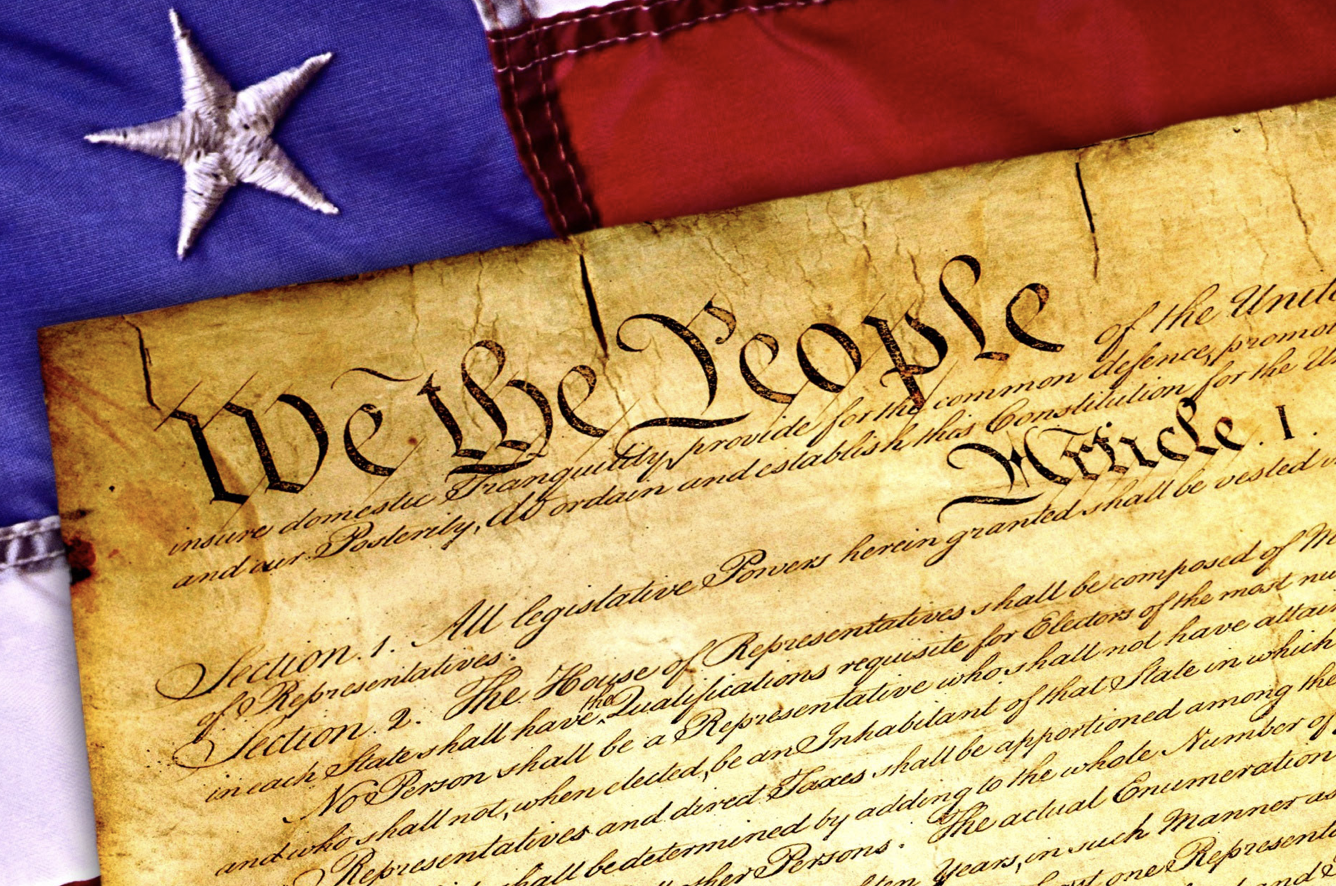 when studying A-level history in the late 70s. I remember writing an essay on it in which I think I ended by saying that perhaps one day the UK would regret not having one even though it didn’t seem to be much of an issue to that point.
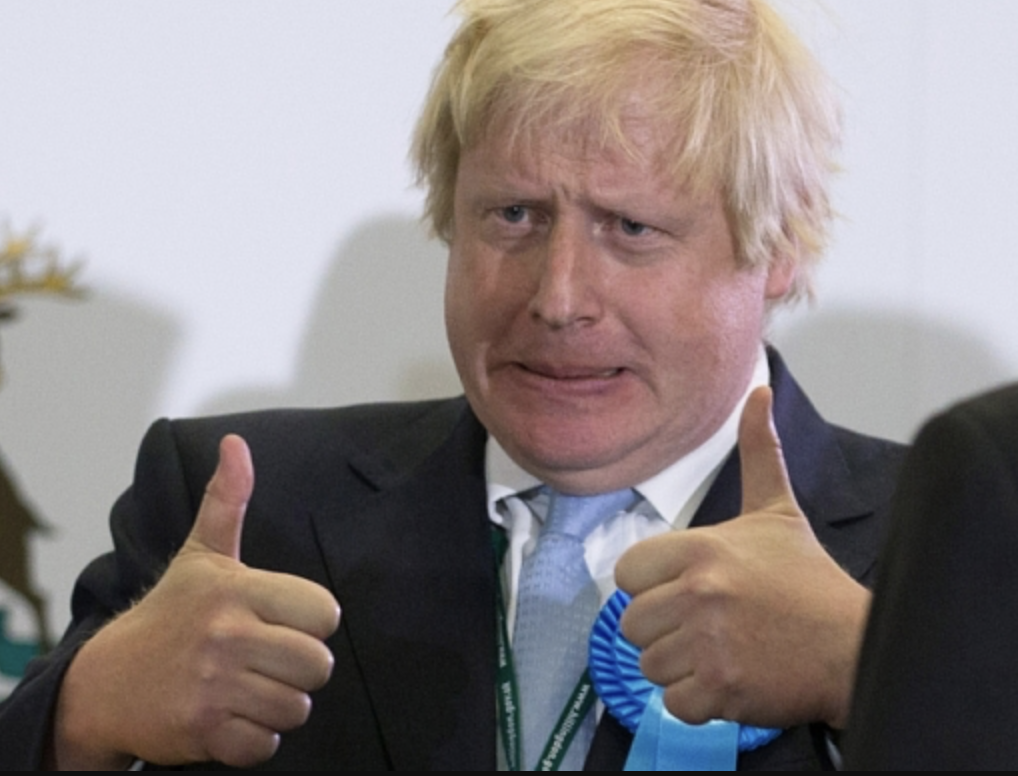
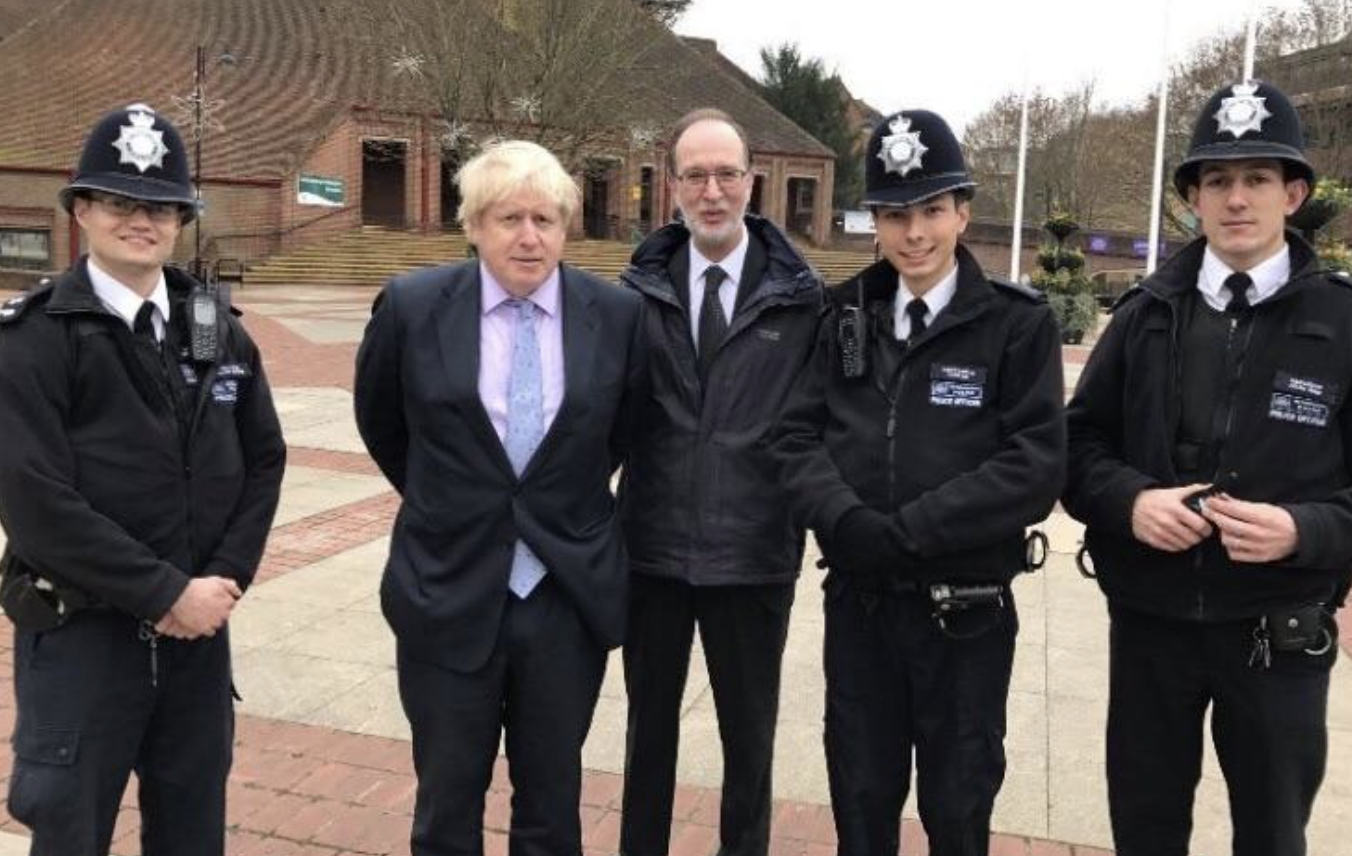 But even more than that, and if we assume for the sake of argument the UK exists in perpetuity, the current abysmal government of the UK under, the criminal mismanagement of Boris Johnson, is really underlining the the problems of not having a written constitution.
 This criminal mismanagement is very much the focus of the Good Law Project; a not-for-profit campaign organisation that uses the law to protect the interests of the public. They fight cases that defend, define or change the law and use litigation to engage and educate. They seek to challenge abuses of power, exploitation, inequality, and injustice, and as such have a good track record of holding this government to account. (
 I was therefore very pleased to receive the letter, reproduced below, that highlights exactly my thoughts and concerns about our lack of a written constitution, written by Jolyon Maugham QC, the Director of Good Law Project. He is avowedly a political centrist, which is generally anathema to me, but he is driven by a strong moral compass that drives him to challenge the overt abuses of power, corruption and injustice that have become virtually unchallenged, everyday events under this abysmal regime.
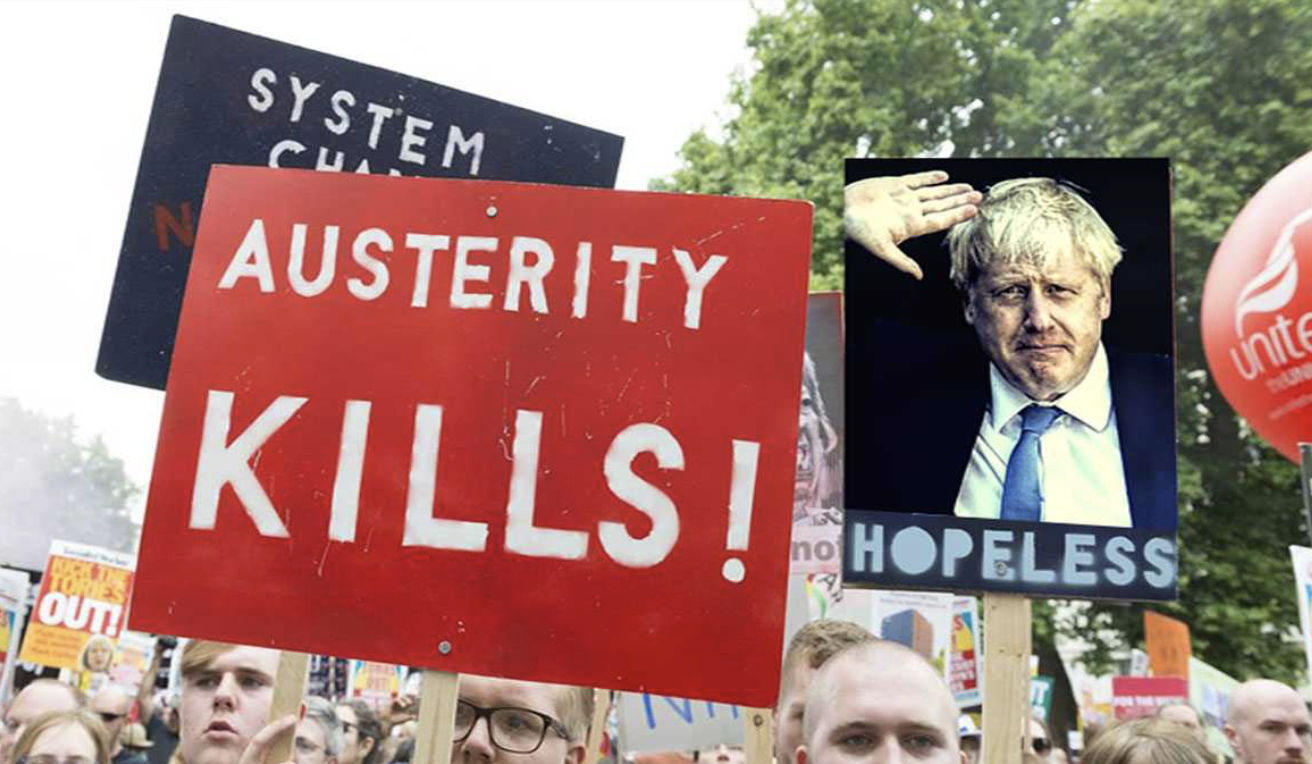 Thus, Tory policies that we know have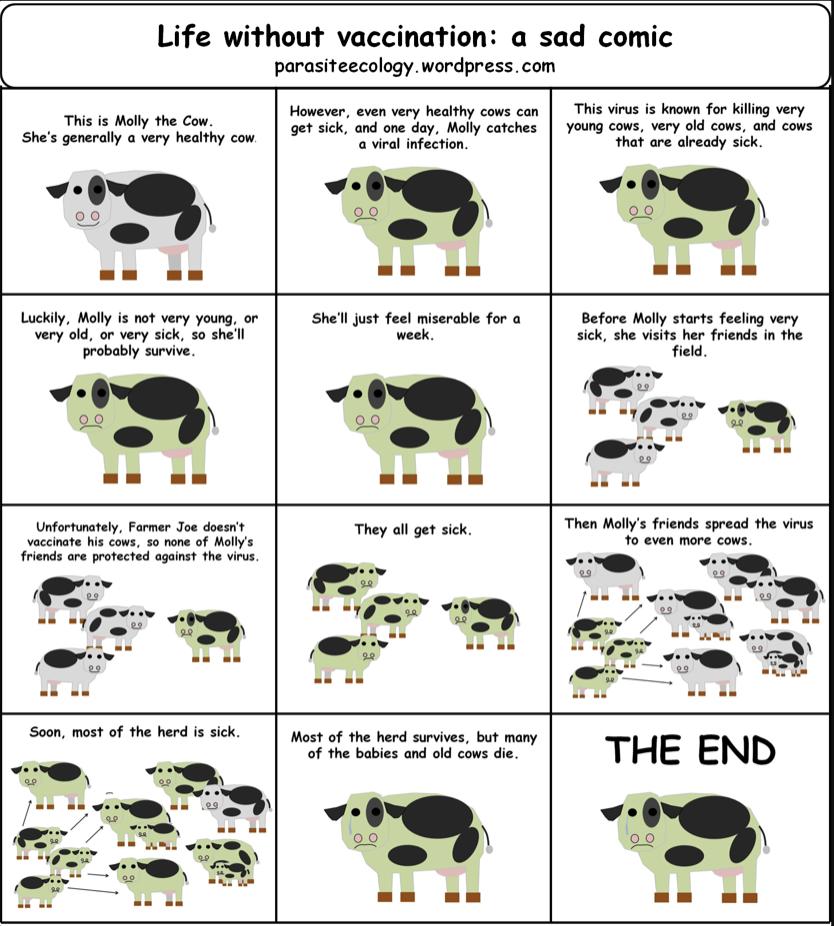
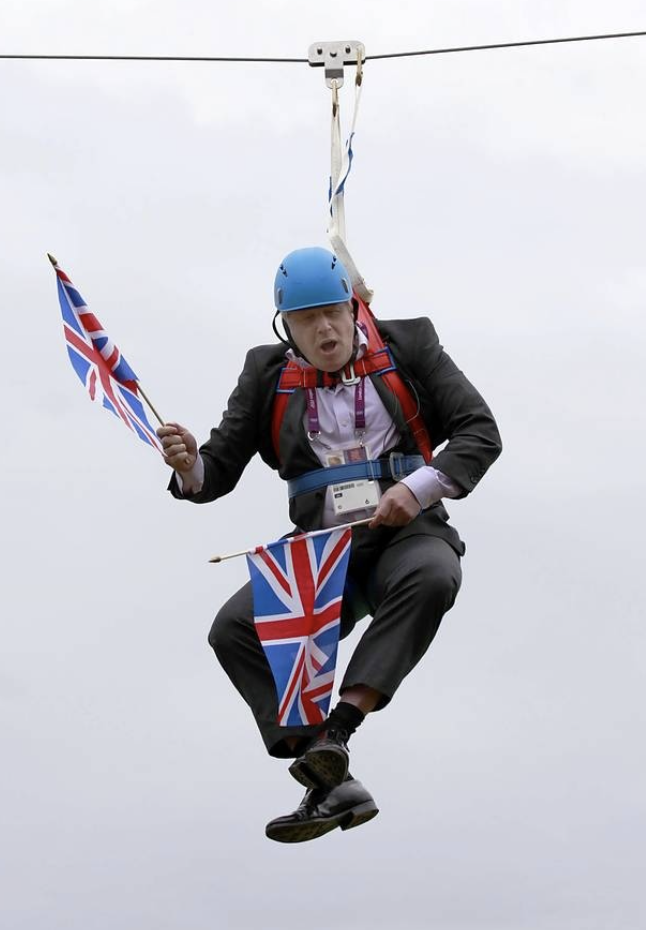 Other countries were all over it from the off and have relatively modest death tolls, but they had voted in caring, intelligent, cautious people (especially women) to lead their Governments. We made a very different choice last December. We chose Boris Johnson to ‘get Brexit done’, and nobody could know that this would lumber us with exactly the wrong type of person in the hot seat during the worst health crisis for 100 years. It was just our bad luck. Suck it up Britain!
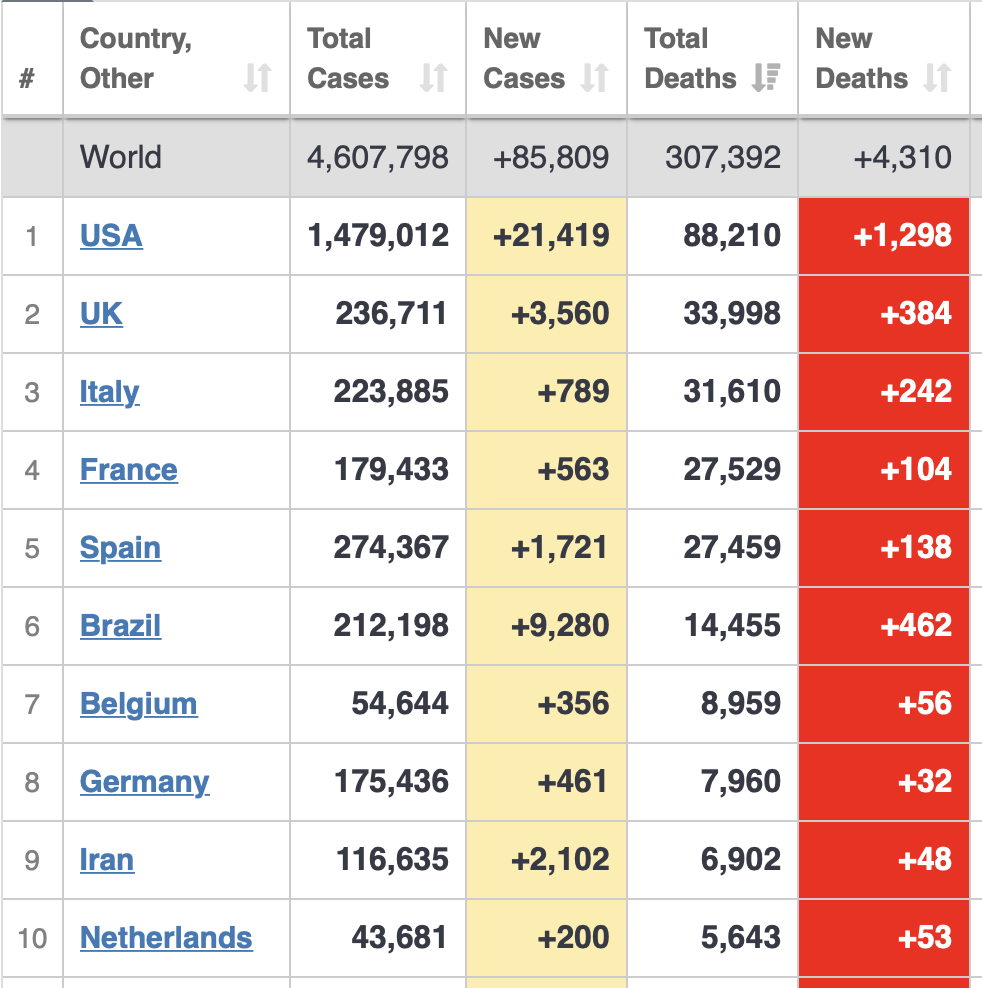 So, as I write, we have little choice but to accept that, instead of the 5 to 6,000 deaths that may well have been unavoidable (even though some countries experiences suggest as few as 5 to 600 was actually possible), the current toll of 55,000 to 60,000 (to use the widely accepted estimates from people like the ONS, rather than the 34,000 declared by Government to date) represents something in the region of 50,000 deaths (and counting) that we could realistically call ‘involuntary manslaughter’.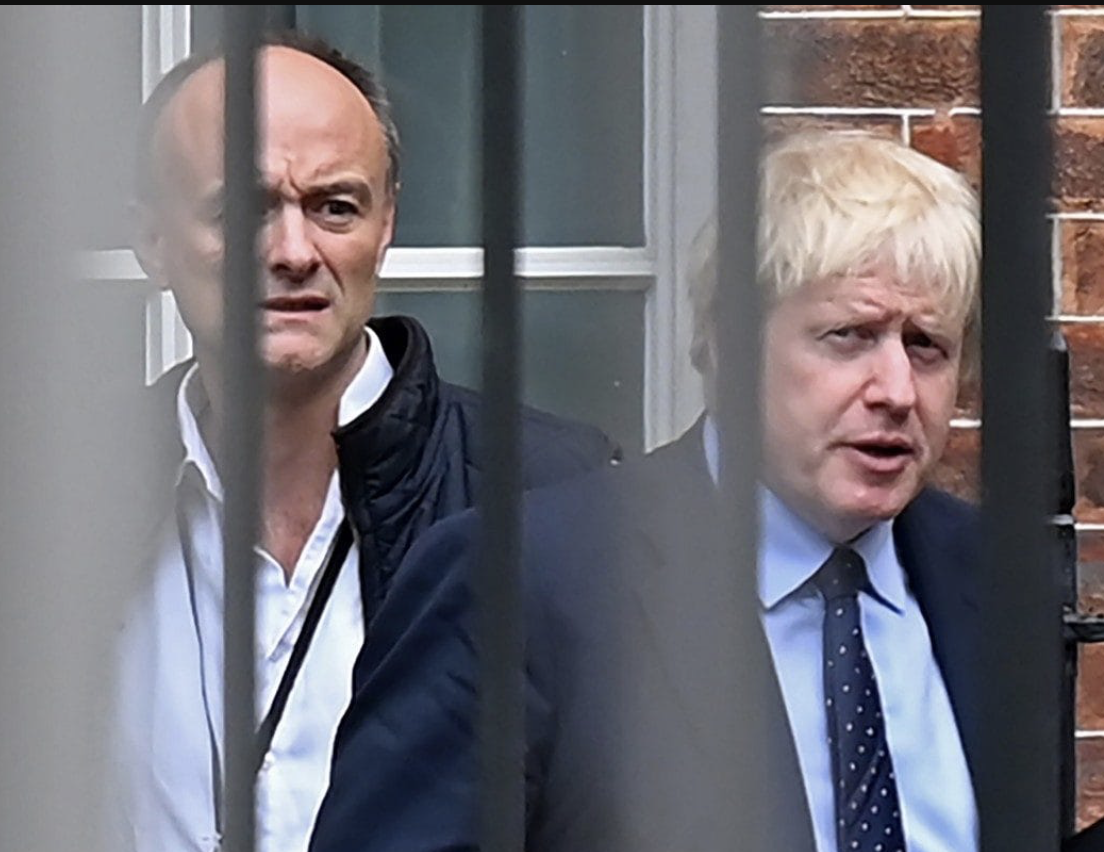
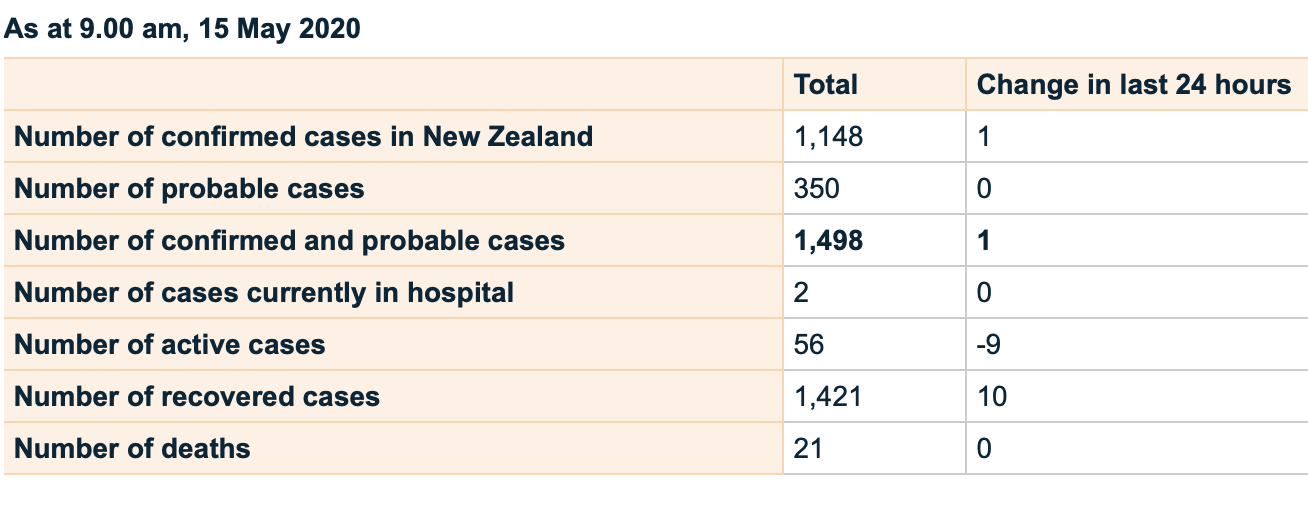
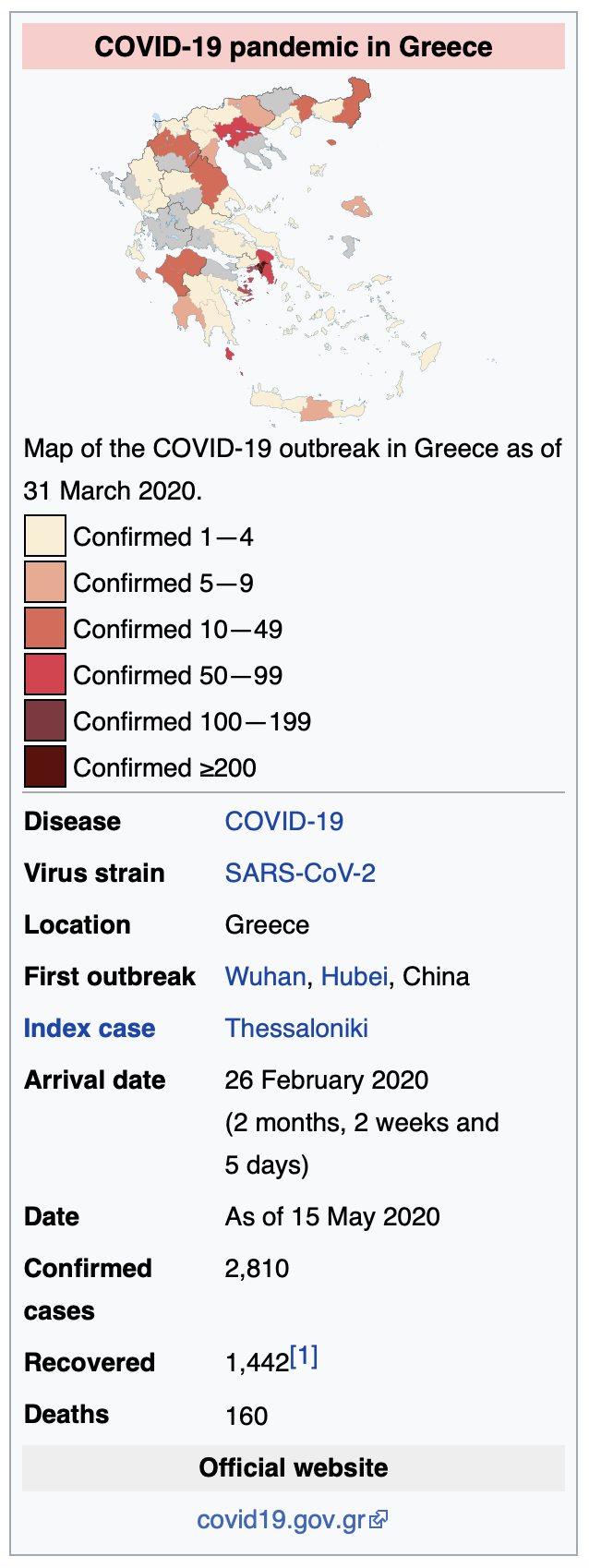 Countries like New Zealand and Greece and a few others got all over the virus with testing/track/trace/isolate at the outset so that things never got unmanageable and the virus could effectively be squeezed out of existence in those countries. This ship sailed months ago from the UK. From where we now find ourselves, it is completely impractical to pursue such a policy to a point of eliminating the virus. The resources needed, in terms of testing capacity and the labour needed to investigate and successfully track and trace all contacts of the infected is immense. The agenda behind the implementation of this strategy is still what is was in March; trying to prevent the NHS being overwhelmed by the wave; not minimising the death toll. There is no suggestion of disbanding the ’Nightingale Hospitals’, despite them not really being needed at all to date, because their time is likely to still come!
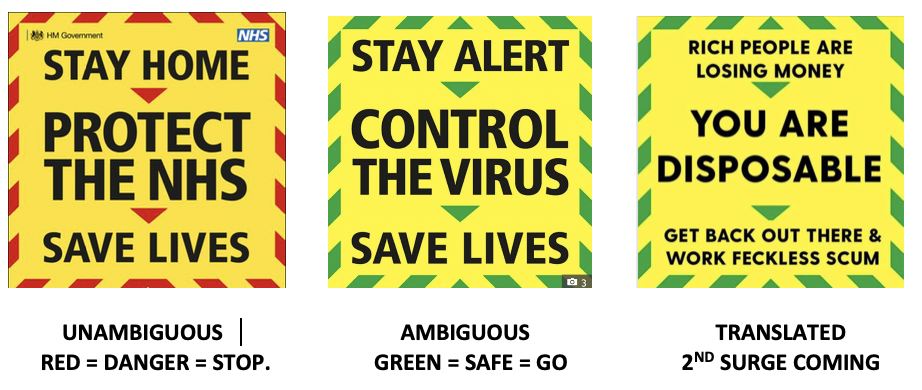 The first thing to note is that the red flashing around the messaging has been changed to green. This is very basic messaging; red = stop/danger, green = go/safe. Then we have the bizarre sounding STAY ALERT. To most people this means be on your toes, wake up and be ready to react. How’s this relevant to an invisible assailant that takes a couple of weeks to let its presence in your body be known? When asked, ministers trotted out the prepared line that ’stay alert’ in this context means stay at home unless you can’t work from home, keep washing your hands and maintain safe distancing (I hate that phrase “social distancing”). This is patently NOT about staying alert; it is about staying safe. But they don’t say STAY SAFE because they’ve had enough of that now. They want you energised and back to work now, hence the energising phrase STAY ALERT.
 Now is the time to remind ourselves of the definition of murder as used in the UK judicial system. I am using the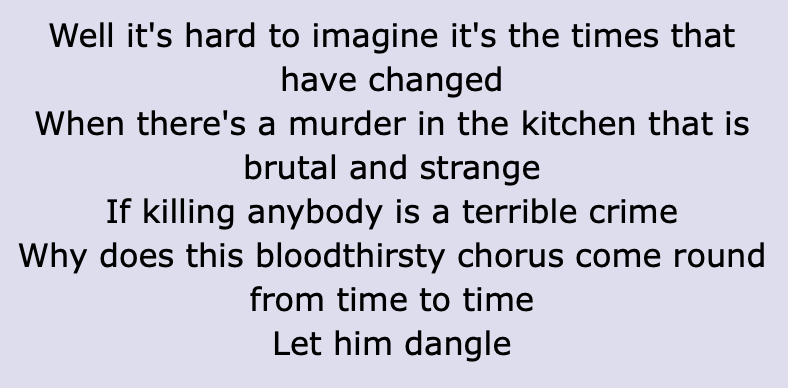
 The sight of red, white and blue bunting and union jacks going up, and talk of abandoned street parties (due to covid-19), smack of misplaced British triumphalism and exceptionalism that deny the fact that the only indisputable reason we were the only European country to completely resist invasion by the Nazis (if you give up the Channel Islands), was not because of any exceptional military might, or brilliant generals, or plucky British spirit, but because of the simple geographical accident of being an island. Without being bailed out by our American ‘cousins’ even that would probably not have been enough.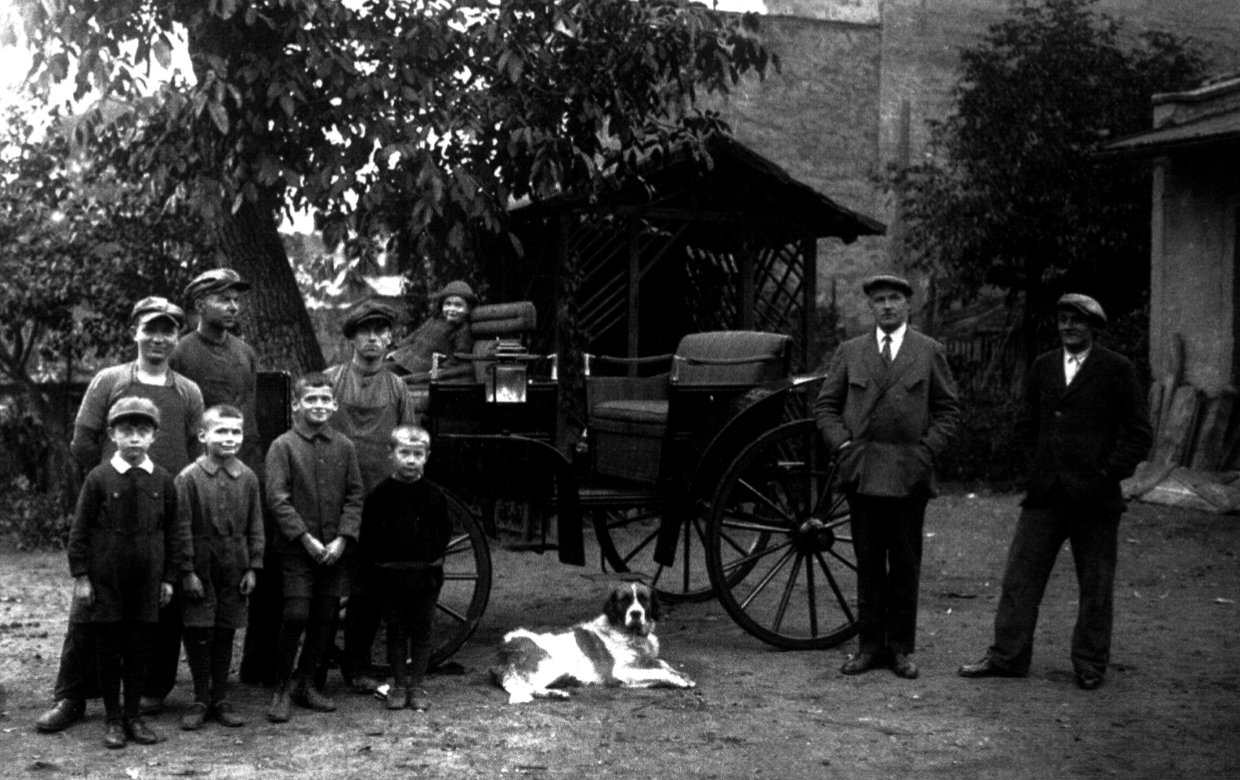
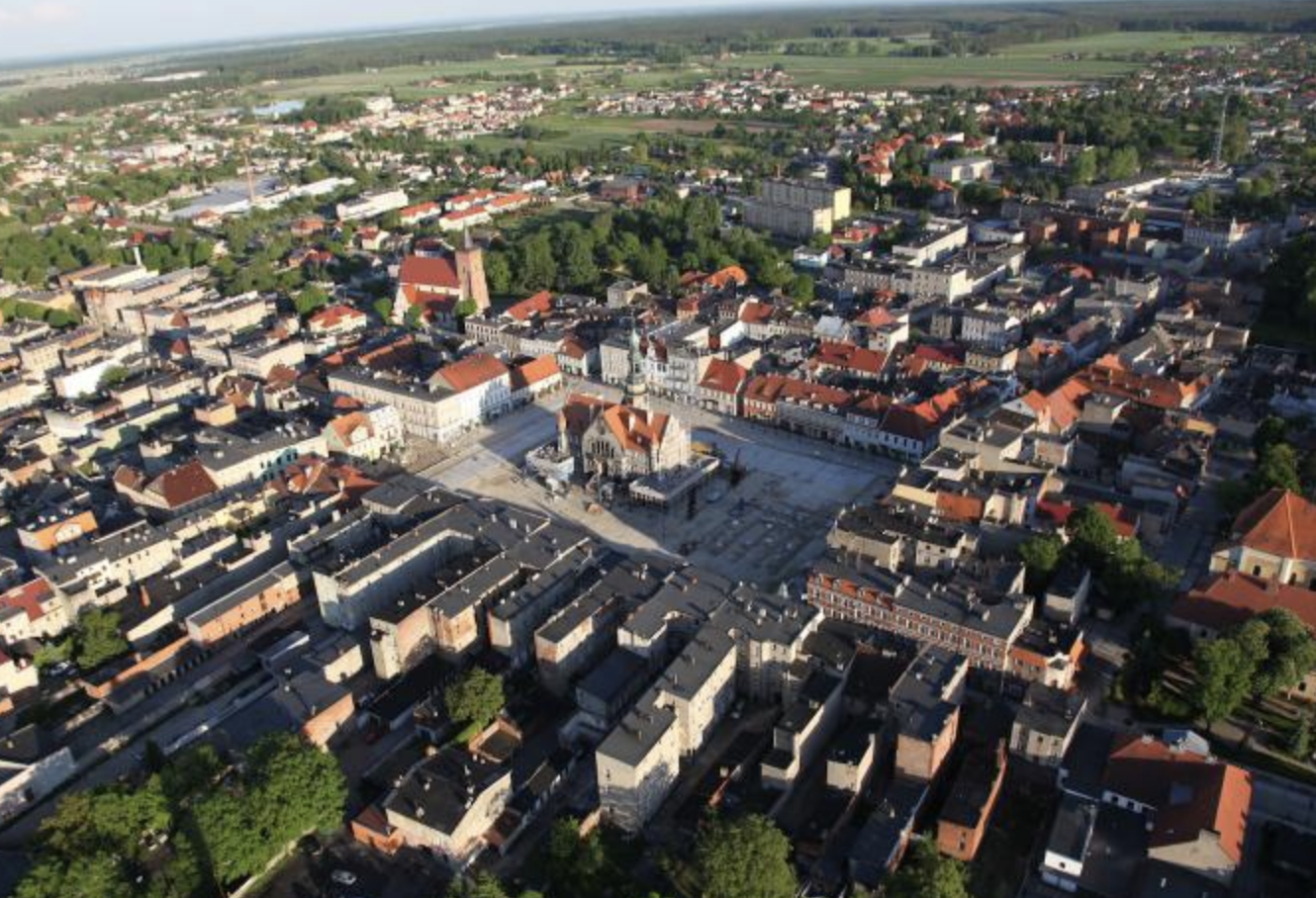
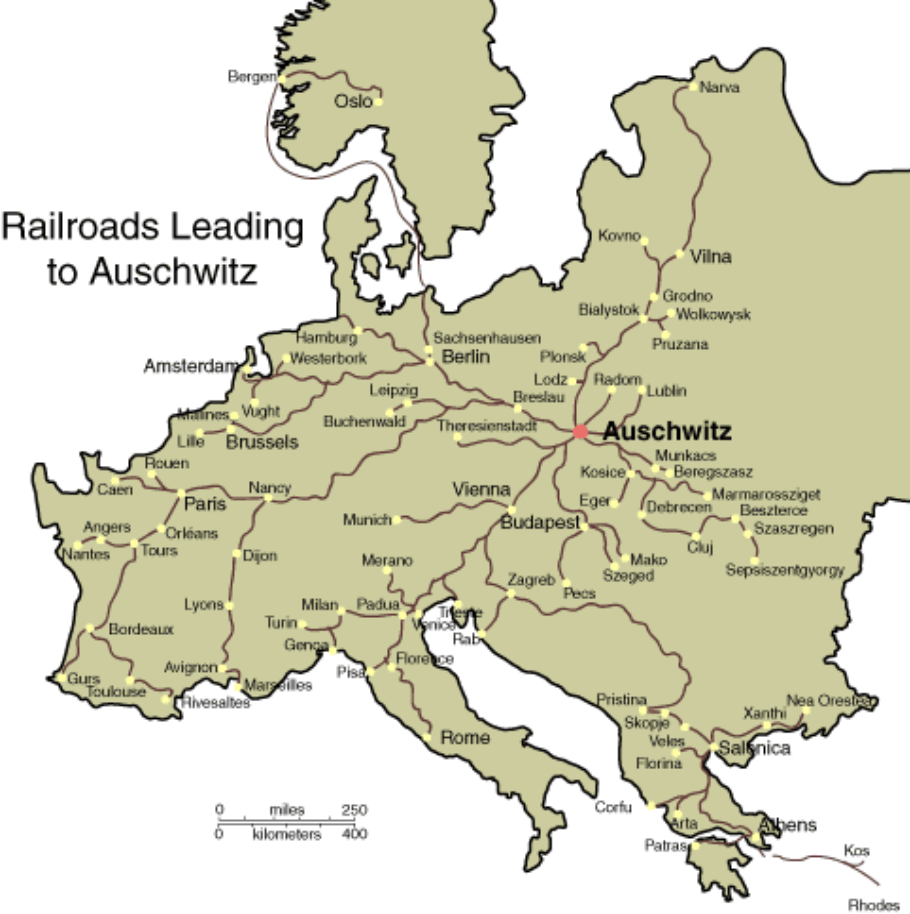 Given the timing and the geographical range, this was almost certainly work on the train lines into Auschwitz.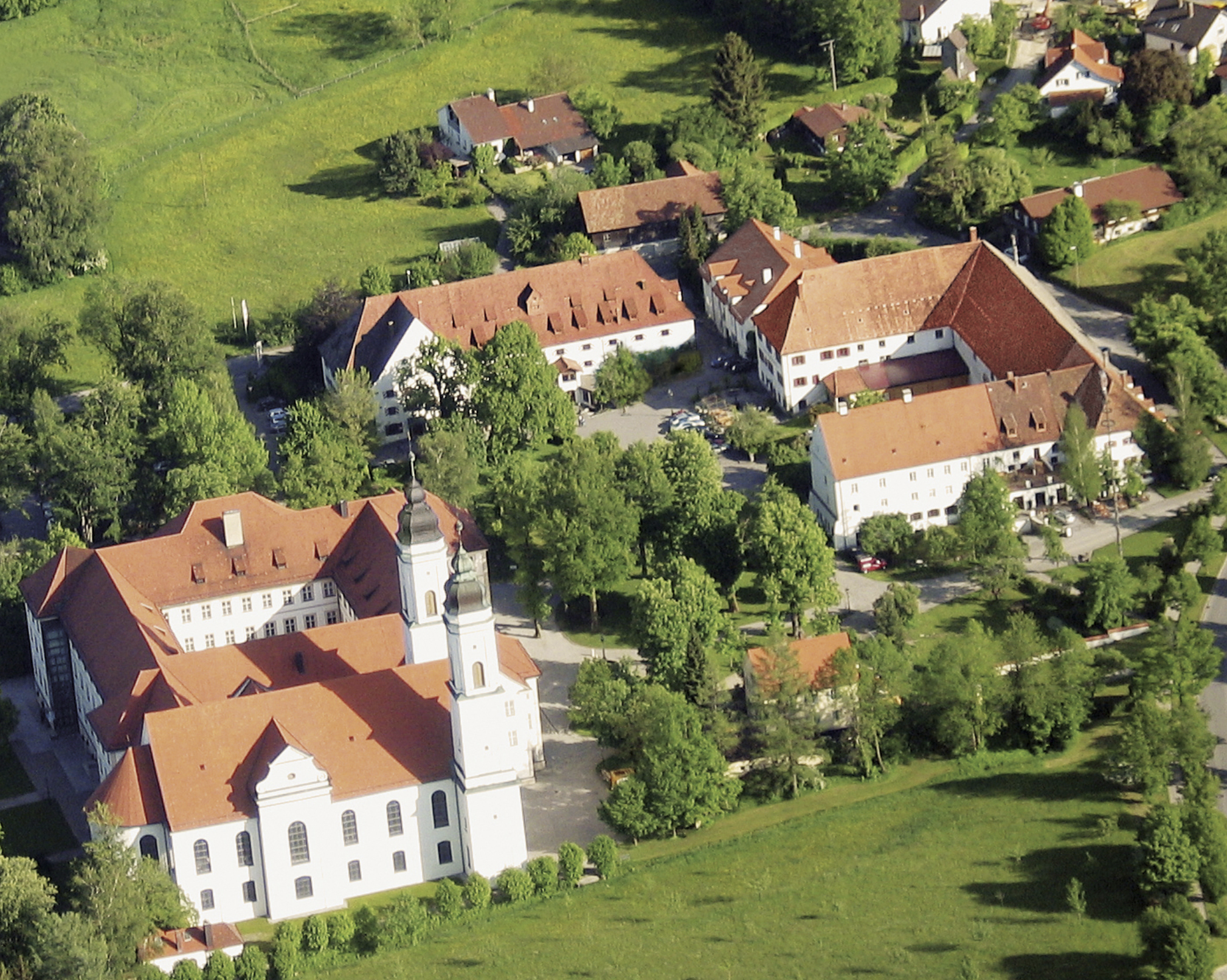
 He was severely malnourished and pretty much delirious, probably as much from relief as anything else. He found himself passed back through the lines and eventually on a boat. By the time he was fully aware again, he found he was in a convalescent hospital in Glasgow, probably the Glasgow Convalescent Home, used as a military hospital and soldier convalescent home during and immediately after the war, later to become Woodlilee Hospital. He was uncertain as to whether he was there for his birthday, but was there for Christmas in 1944, having just turned 18 years old. The aerial shot shows that it was a majestic complex of buildings, surrounded by fields, just outside the city as it was then. The second shows that there are few building left, with the hospital now gone and the site part of the sprawling suburbs of Glasgow today.

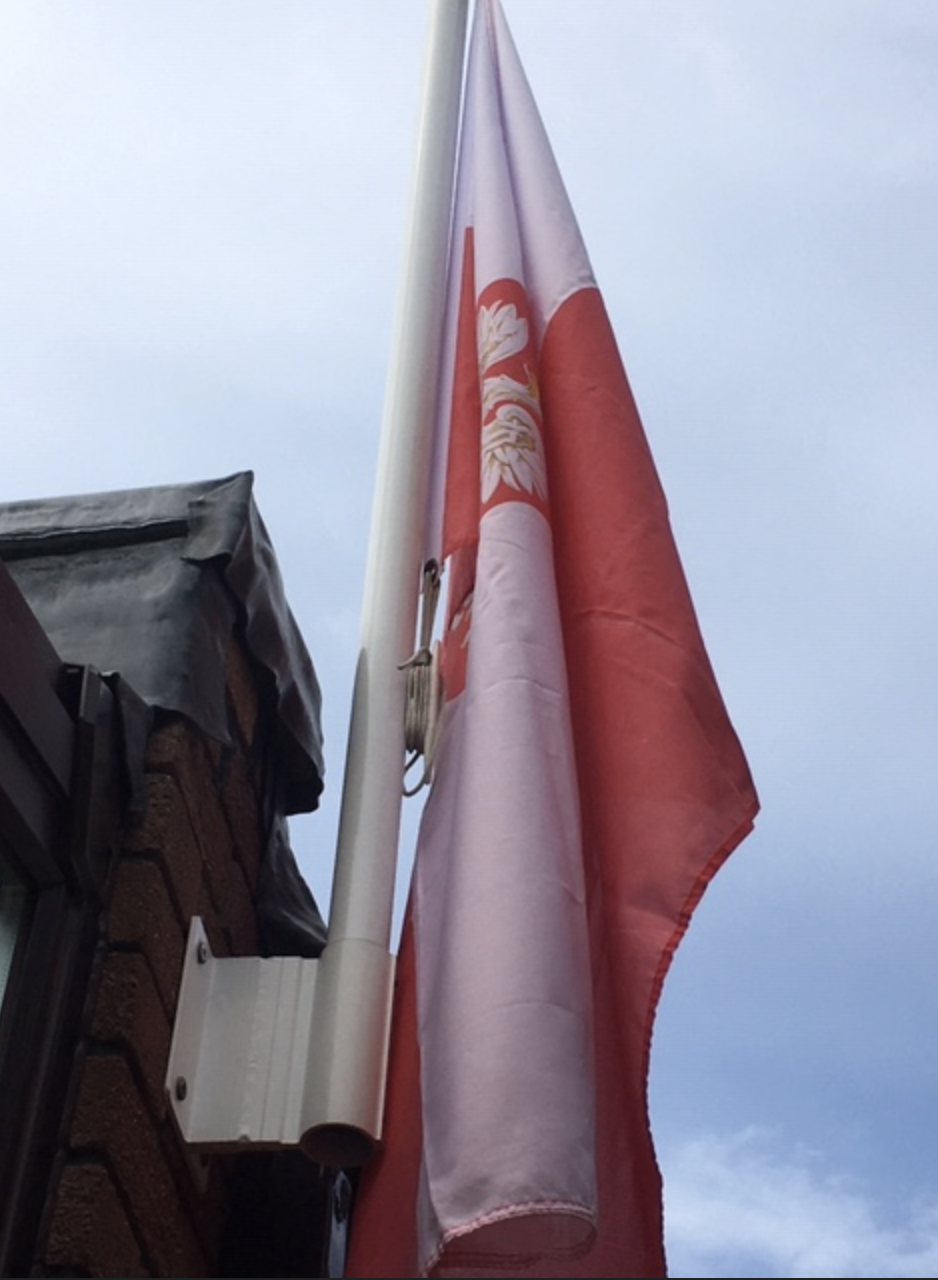
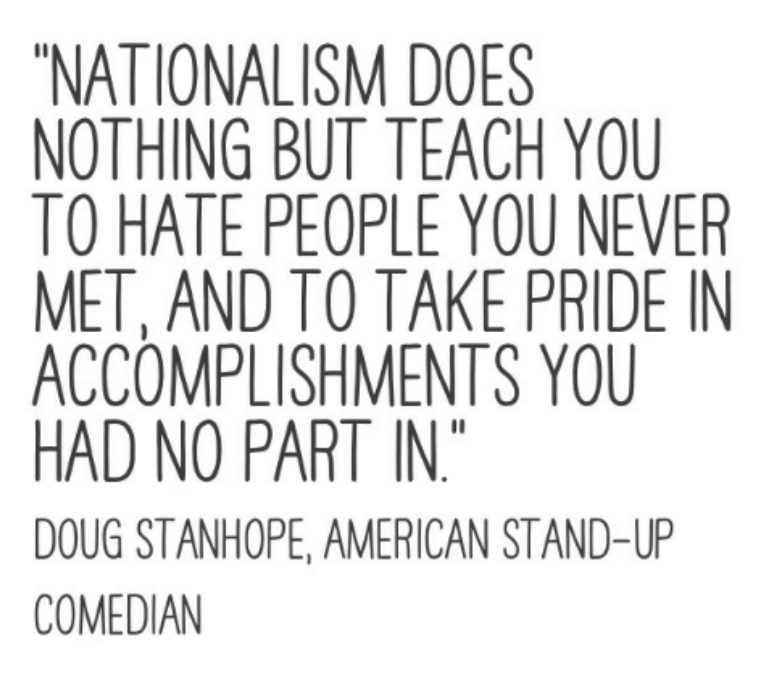 This is in no small part because I have long been a vociferous critic of nationalism. I devoted a small chapter of my 2011 book, The Asylum of the Universe, to this perspective, at a time when I was still far from convinced of the case for Welsh independence. I have to admit that this was an intellectual stumbling block to me getting my head around an unambiguous position in favour of independence.
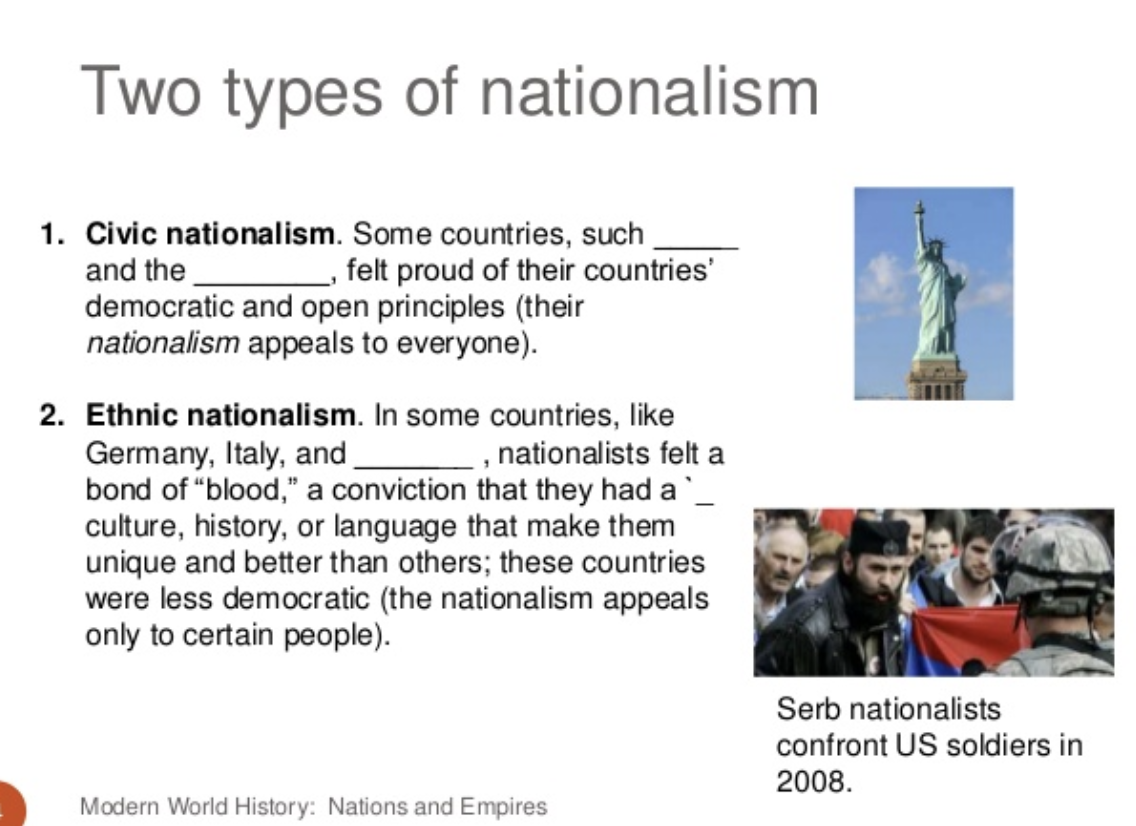
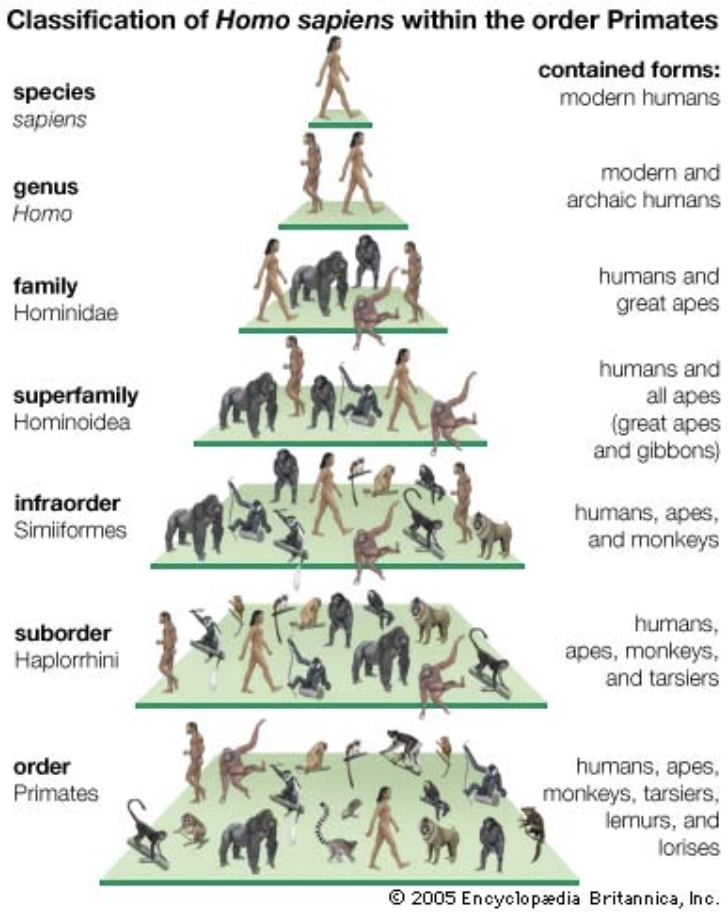 This is basic anthropology and ancient history. There were once no nations and no borders. Indeed there were once no people, and apart from the points of origin of our species (why stop there? Genus? Family? etc.), well, the point is that who belongs where is ALWAYS subjective and distorted by assertions of the significance of who actually was where at some arbitrary point in history. ‘Fictive ethnicity’ is therefore the idea that all the people who seek to ‘belong’ to the ‘nation’ are required to share certain characteristics, be they biological or cultural. This can be used to assert the distinctiveness of people at different scales: Coity v Wildmill, valleys v the vale, SE Wales v SW Wales, South Wales v North Wales, Wales v England, Britain v Ireland, UK v Europe, Europe v Asia, white people v the rest of the world.
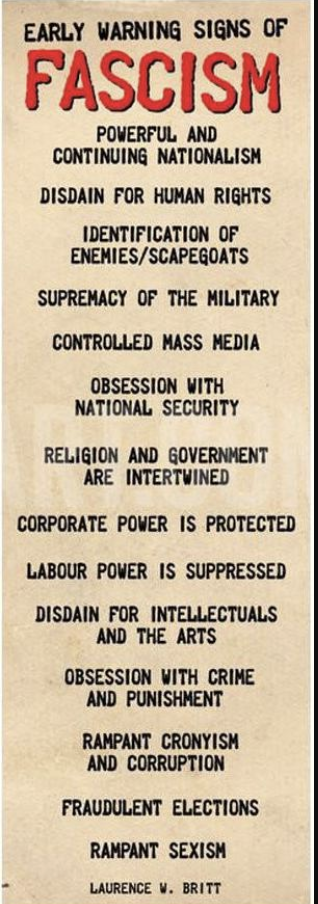
 Strangely though, people start to have issues if I try to claim more than one and I would probably struggle to get away with claiming to be Icelandic, which would be my first choice, or Jamaican, for example, which also has some appeal. Ok, I may be getting a little facile, but my point is a serious one. Does ’national identity’ matter? Should it matter? And why?
 Like nationalism, localism describes a range of related political philosophies that can range from the far left to the far right. My localism comes from the more anarchic, environmentalist end of the spectrum. In general terms, localism supports local production and consumption of goods, local control of government, and promotion of local culture and identity.
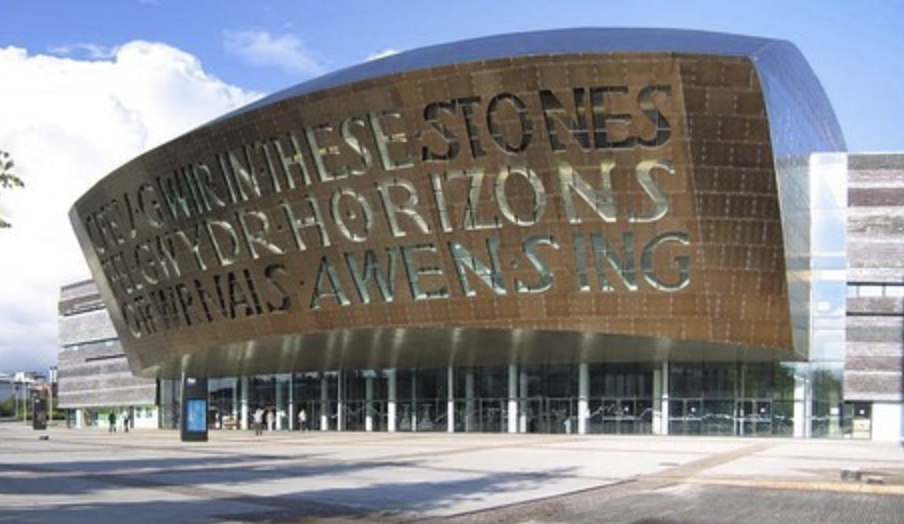 Independence for Wales is not necessarily going to achieve these aspirations in itself , but it is a huge stepping stone towards it. Is there anything that effects the lives of people in Wales that is inherently better decided in Westminster at a UK scale, than in Cardiff (or somewhere else in Wales – I’m not convinced that Cardiff is the most appropriate location for whole-of-Wales decision-making) for Wales or even at more local level where practicable? It is, at best, cumbersome and inefficient (a bit like that last sentence!) and at worst, prejudicial, detrimental and anti-democratic. Wales has never backed a Tory government in Westminster, yet has suffered immeasurably from the consequences of being ruled by one. If nothing else, it has created a degree of subservience and sapped the self-belief from the people of Wales.
 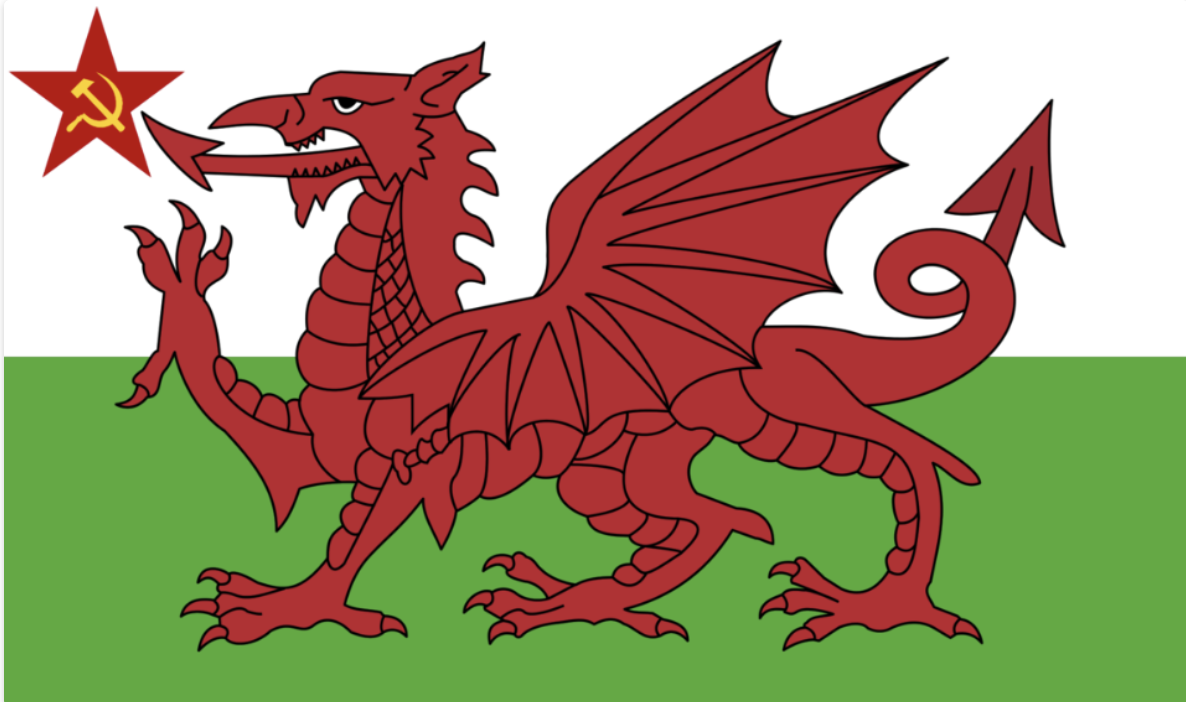 This is beginning to sound like a manifesto for the a new Welsh republic, and it is of sorts. I have a dream! But none of this is assured in an independent Wales. Far from it. In the hands of the far-right it would look utterly different. But the essential point is that it is all possible in an Independent Wales and virtually impossible in a Wales tied to a deeply conservative/Conservative England. Whereas ethnic and/or cultural homogeneity may be dangerous goals, political consensus must be a worthwhile aspiration. There is obviously some overlap in this, but it is patently easier to achieve in smaller countries than big ones.
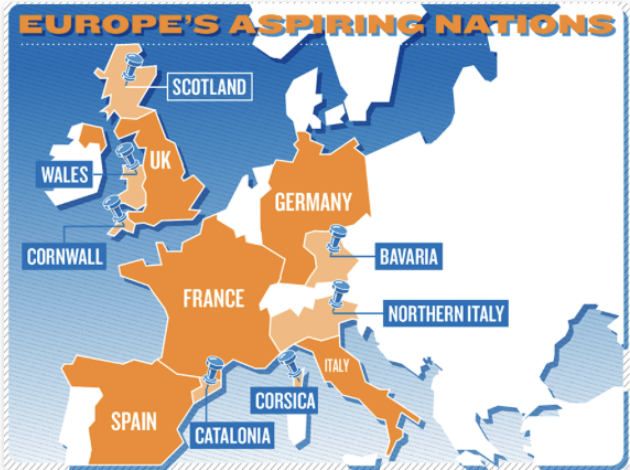 The late 20th century saw the breaking up of many unwieldy, fractured blocs, such as Yugoslavia, the USSR, Czechoslovakia, and parts of east Africa. The early 21st century has seen growing pressure for independence of viable smaller countries in many parts of the world, from here in the UK, across many parts of Europe and beyond.
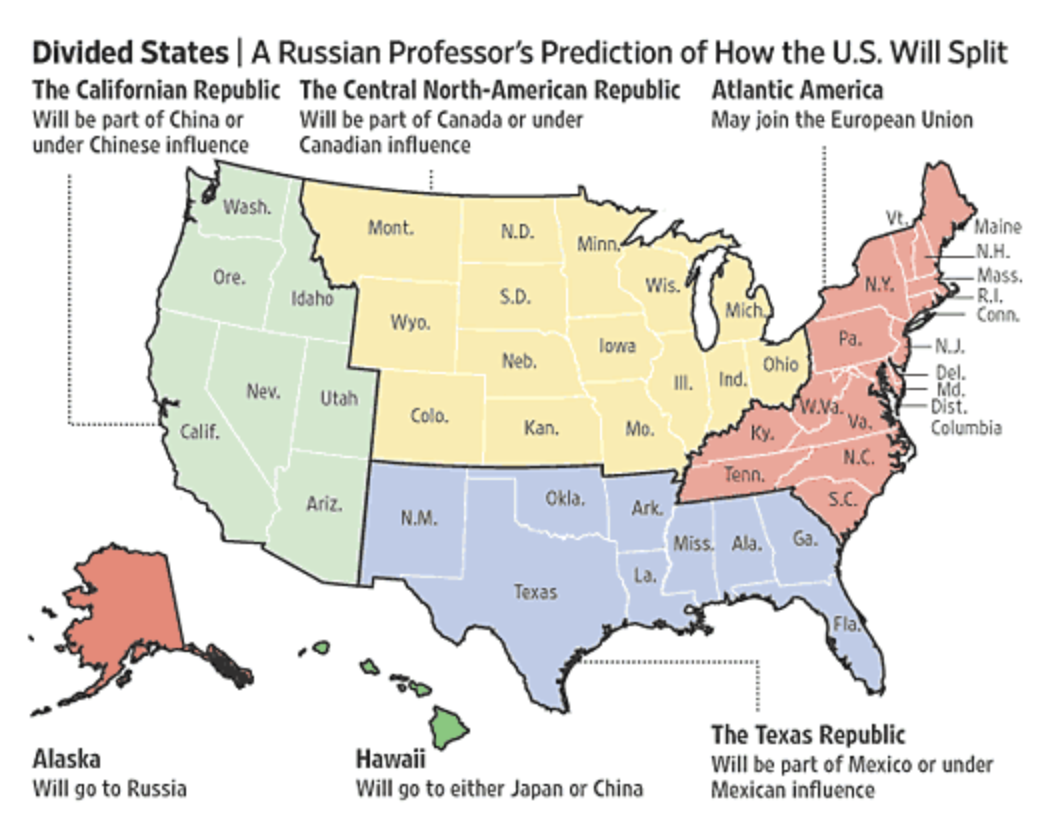 Few would surely argue that the breaking up of the supposed superpowers of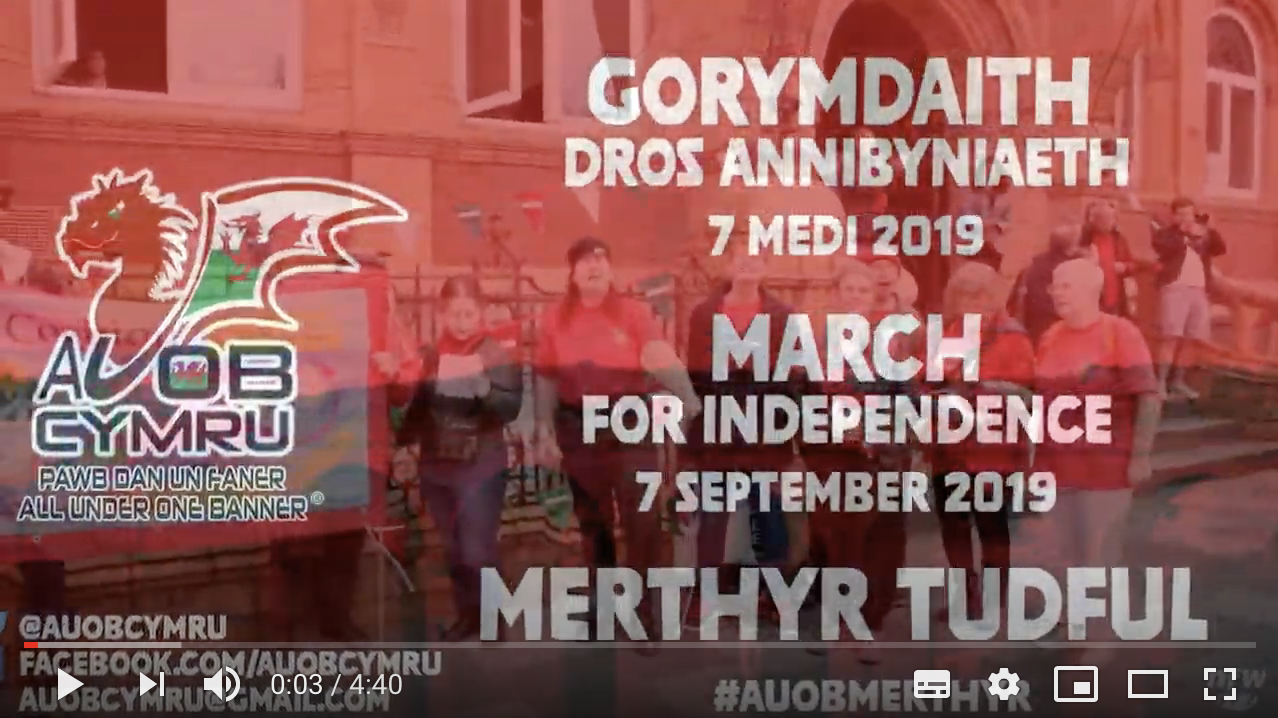
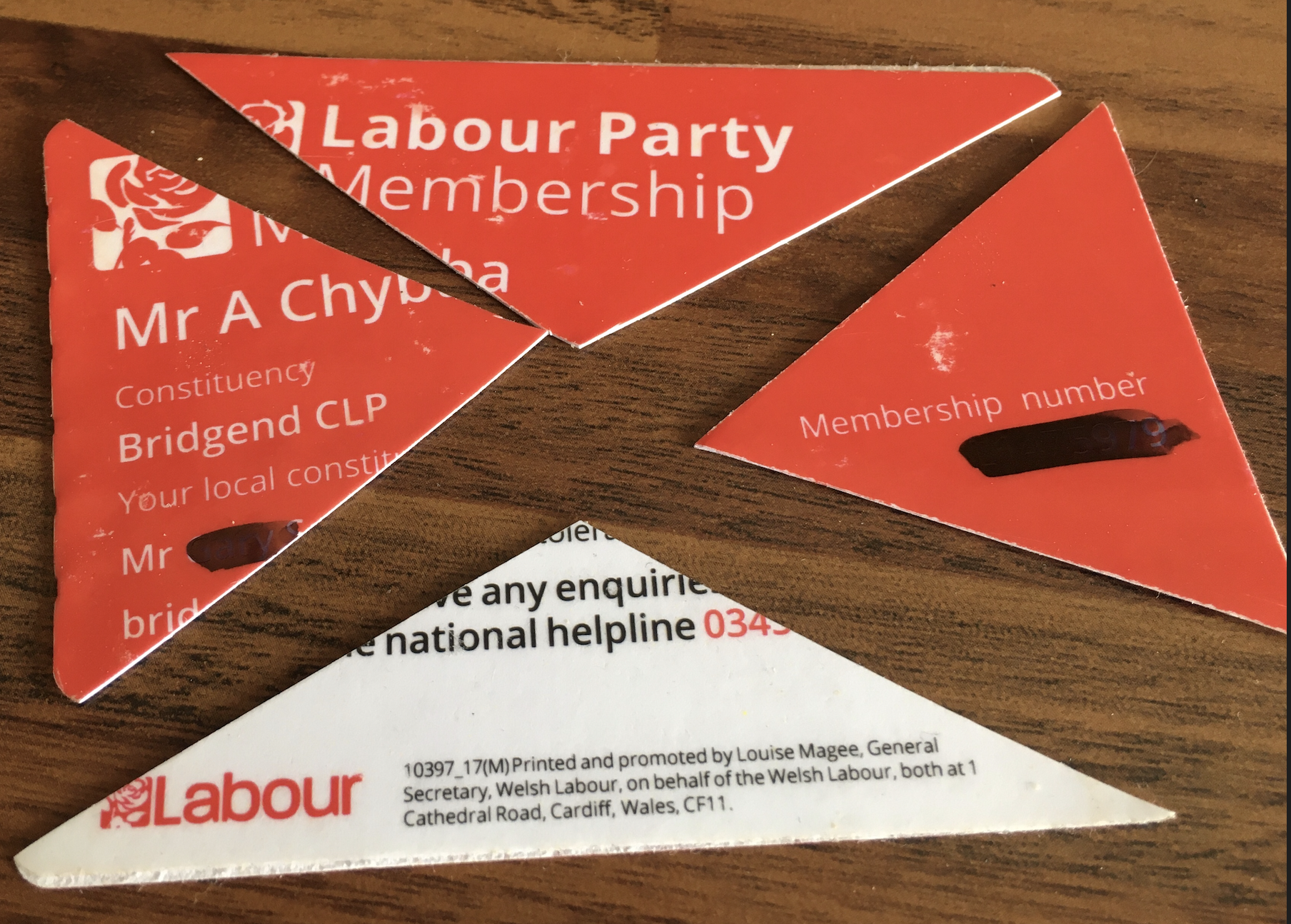
 I doubt you’ll be surprised by this, but having spent a couple of weeks reflecting and soul-searching, I have decided my time with the Labour Party is done once again.
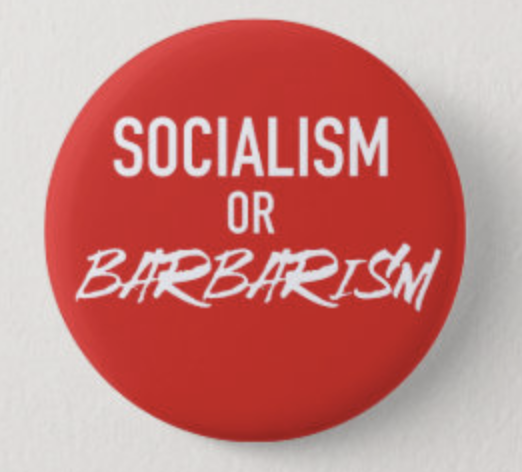 I came back to the party, after a hiatus of nigh on 30 yrs, along with many thousands of others, once Corbyn became established as leader and it was clear that the Labour Party had finally returned to its socialist values. Except it was only ever the leadership and huge influx of new members that ever properly bought into this.
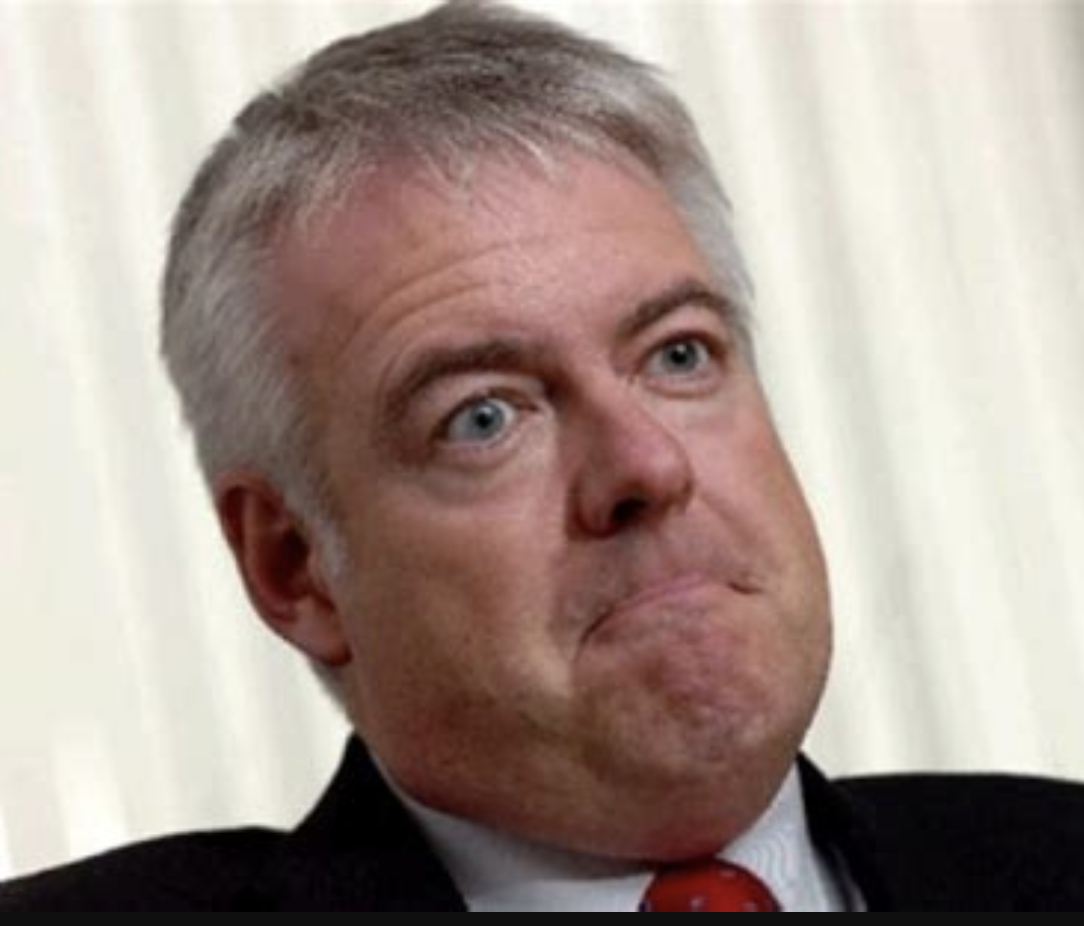 Carwyn Jones and Madeleine Moon, who did more than their fair share to undermine the new zeitgeist. But slowly and seemingly surely we were dragging things in the left direction. With Jones and Moon discarded to the dustbin of history, despite the circumstances, I still felt a degree of optimism that with new blood in the leadership of the right calibre, momentum could be regained.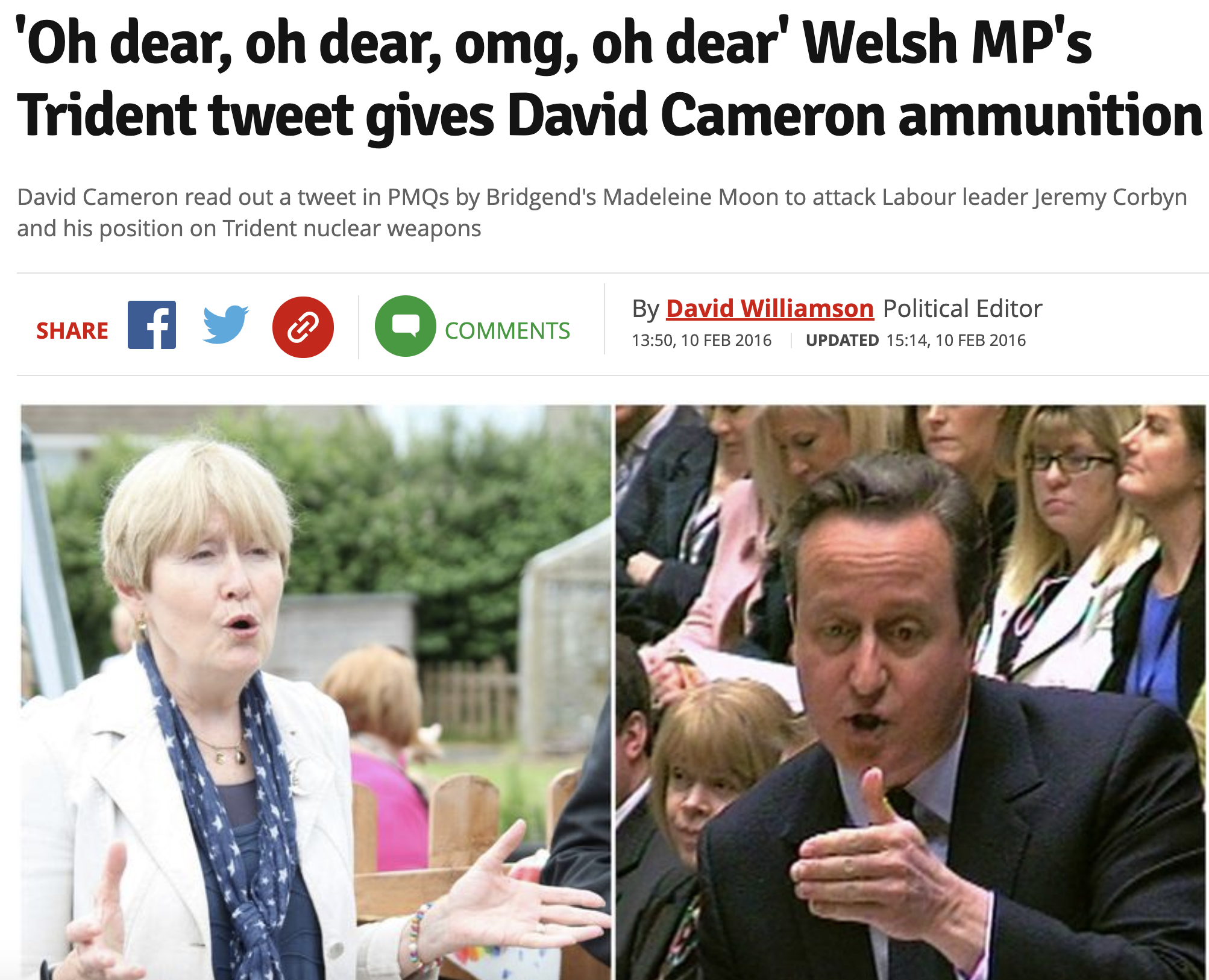
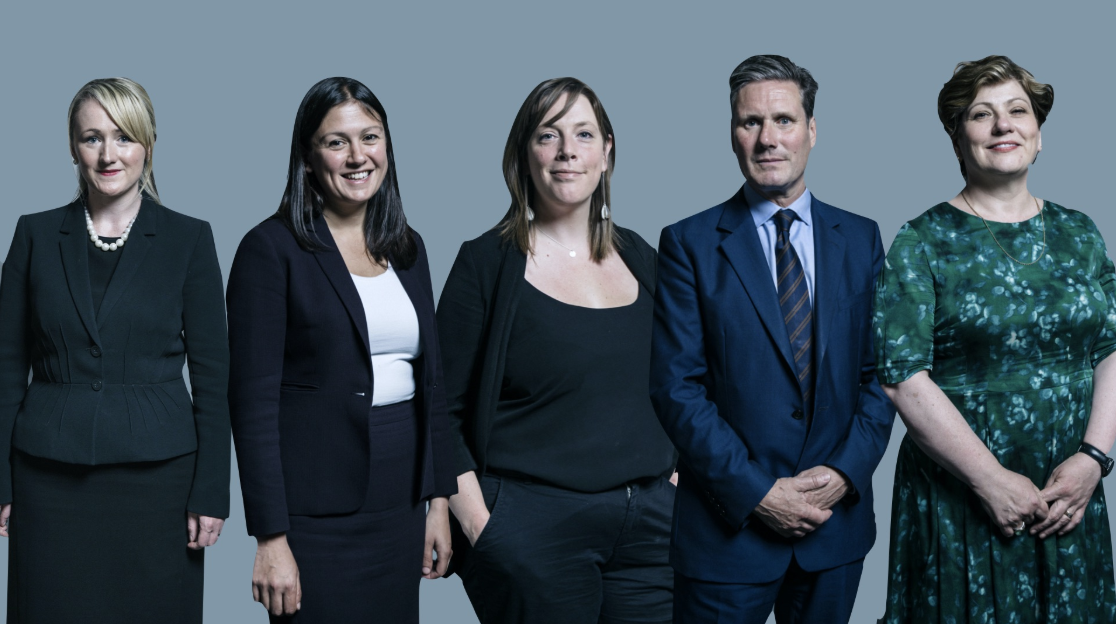 I was further encouraged by a slate of candidates for Leader that included 4 women and only one dull grey suit (well, Tory blue suit in fact). When this became the final four (with Clive Lewis and the awful Jess Phillips gone), there were three acceptable women candidates, all of whom I could have given a real chance to, but no.
 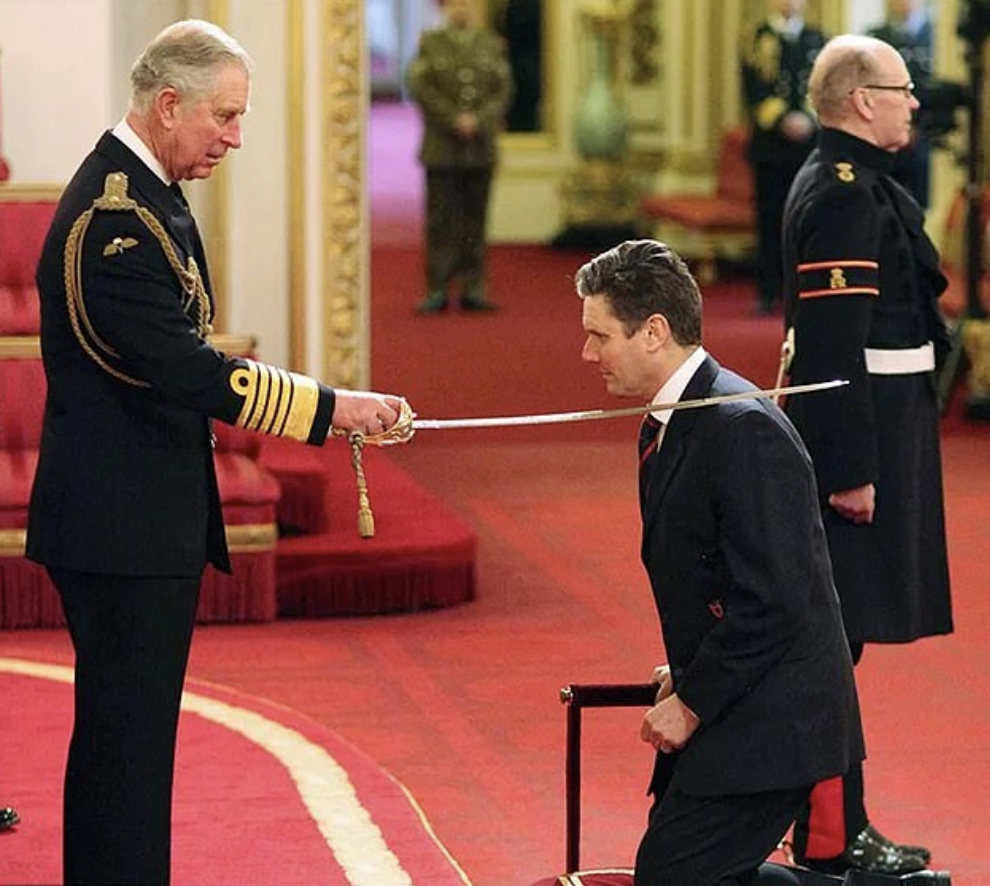 The dull grey suit wins it. The knight of the realm wins it. The establishment lawyer wins it. The heir to Blair wins.
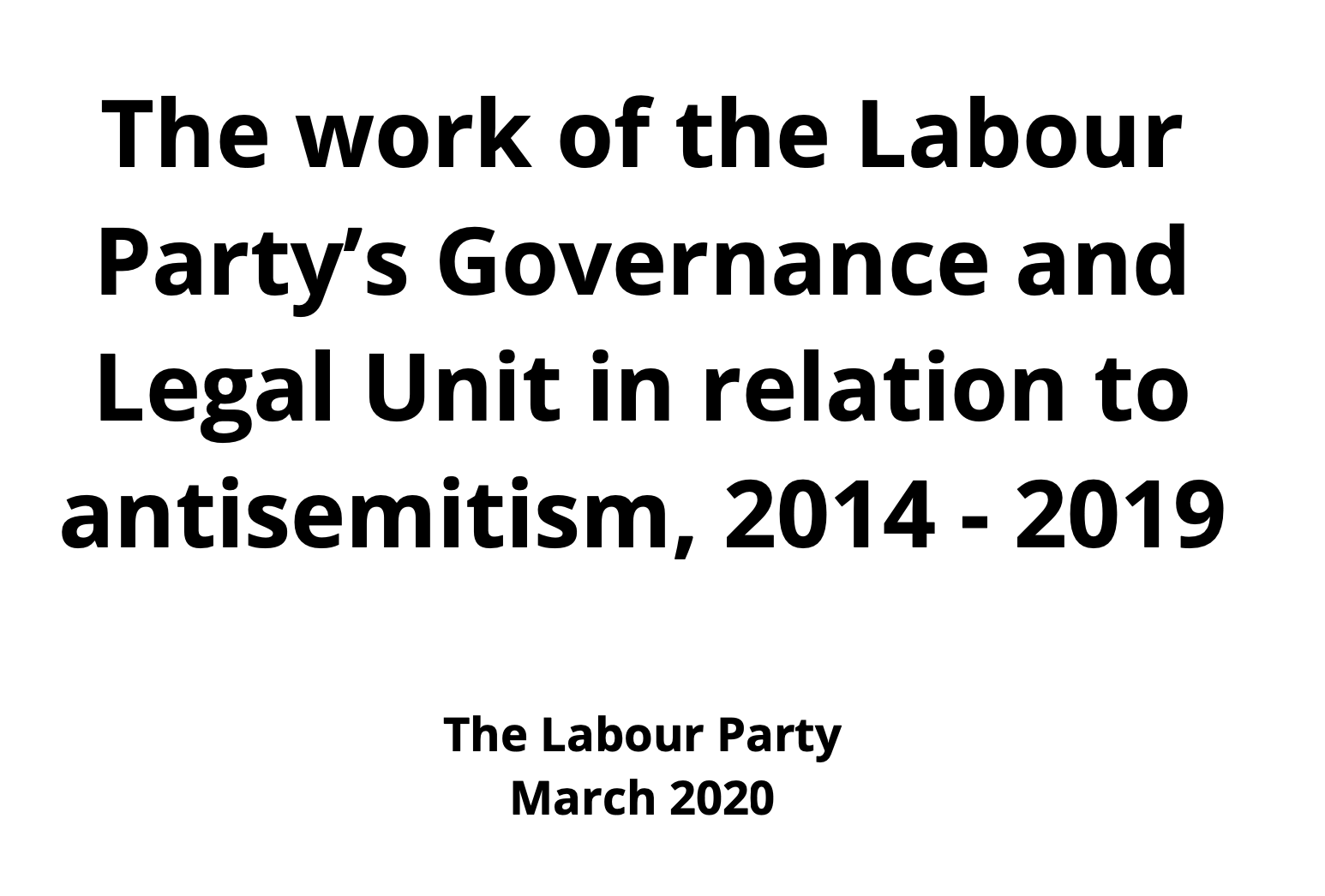 I can no longer bear to have my name associated with the Party that so actively undermined and destroyed the possibility of a Corbyn government today. I cannot countenance another penny of my money or a minute of my time being used and abused.