
Firstly, let me present some context to what I want to focus on.
Putin’s/Russia’s invasion of Ukraine is a major international crime, however you care to define such crimes. Putin is a war criminal. I have never held a candle for Putin, just as I never held a candle for Saddam in Iraq, Gaddafi in Libya or Assad in Syria. But as aware as I am of their crimes, I am also aware of the crimes of Bush in the USA, Blair in UK and a near constant stream of leaders in Israel. War crimes and war criminals go back as long as the history of armed conflict.
What I want to focus on from here on, is not so much the heinousness of war crimes themselves, as this is self-evident to everyone I would hope, but instead, I want to focus on the hypocrisy and double-standards that we seem to collectively subscribe to, or at least tolerate, in the way we consider war crimes in different parts of the world, and also in how we treat the victims of war crimes and war in general, specifically in our attitudes to refugees.
NAKED SELF-INTEREST?
I think it is safe to say that there is a very high level of public consensus in support of Ukraine and its people right now. And who am I to say that is inappropriate. As a member of “Stop the War”, I am unequivocally against the war there, recognise it as a potential threat to us all, and support demands for an immediate ceasefire and the withdrawal of all Russian troops.
These are the views of just about everyone I know on social media, especially those with their blue and yellow profile pics. They were sentiments that the entire crowd at just about every sports fixture across the country, who stood to applaud on Saturday (including the 1000+ fans at the Bath City v Ebbsfleet Utd game I was at). Rarely, if ever in my lifetime, can I recall such unity of expression against a common enemy.

“A common enemy”.
“A potential threat to us all”.
Is it as simple as pure self-interest that makes us absorbed by this particular conflict?
Is this the reason we have no more than a passing interest and very little awareness of the ongoing wars in Yemen, Somalia and Syria, for example, all of which are arguably far worse humanitarian disasters than Ukraine to date?
MEDIA NARRATIVES
Since the turn of the century, we have seen an extraordinary transformation of the media landscape, with a plethora of competing news agencies and outlets available 24/7 via satellite and cable networks, all digested, regurgitated and manipulated by, well just about all of us (what do you think I’m doing right here?) via social media channels.
We have never had so much access to the truth, but also never been so deluged with propaganda and fake news. I don’t want to get into how to determine truth from bunk; I’ve dealt with this in the context of the Covid pandemic and climate change, for example over many years (I’d still urge those struggling with it to read Massimo Pigliucci’s book “Nonsense on Stilts”– spoiler alert: check out your sources credentials!)
What I do want to focus on is the language (check out that Newsweek front page, above) being used in the reporting of this particular conflict; how it differs to the reporting of other conflicts, and what this might say about us all.

Let me take you back just a few years to April 2017. Trump had just ordered the launching of tomahawk cruise missiles at targets in Syria in response to unproven claims that Syria had some nasty chemical weapons. The NBC anchor (or something that rhymes with anchor), Brian Williams eloquently described the video images of these strikes thus:
‘We see these beautiful pictures at night from the decks of these two US navy vessels in the eastern Mediterranean – I am tempted to quote the great Leonard Cohen: “I’m guided by the beauty of our weapons” – and they are beautiful pictures of fearsome armaments making what is, for them, a brief flight…’

It is thought that 105 of these were launched by Trump on Syria. Raytheon is the manufacturer of the Tomahawk Block IV, a low-flying missile that travels at 550 miles per hour. During a decade of war in Afghanistan, Iraq, and now Libya, the Pentagon has increasingly relied on the Tomahawk. In 2010 Raytheon reported its 2,000th Block IV delivery to the U.S. Navy. Who knows how many they have sold by now. These ‘beauties’ were retailing at $1.4m a piece in 2010.
I’m sure we have all seen these launch pictures on our TV screens over the years, whenever the USA, or the UK, or NATO launched them over Iraq, Libya, Syria, wherever. News from where they landed, of course, is highly selective. Our attacks are predicated on noble motives, of course, to free the people of these countries from tyranny. Our weapons are so sophisticated that we can target them within a few feet and this surgical precision means only military and governmental targets would be struck. Civilian casualties would be minimal (whatever that means). This is what we are told.
The reality was very different in Iraq. Under the torrents of bombs launched by Bush and Blair from the start of the air campaign and the ground attack that followed, there were 150,000 violent deaths and around a million ‘excess’ deaths of civilians. Just 7 per cent of the ordnance consisted of so called ‘smart bombs’. But they did get Saddam too.

Meanwhile, elsewhere in the Middle East, Hamas were daring to launch homemade mortar attacks, heinous terrorist attacks incurring the full wrath of the Israeli military. In June 2007 it was reported that: “At least five mortars struck the Erez Crossing Sunday morning, moderately wounding one soldier, and lightly wounding three others.”
In response PM Olmert said that Israel must continue to take military measures in order to defend its citizens.”Security forces will continue to act incessantly against agents of terror in Gaza and the West Bank“. Olmert told his ministers. “The activities will continue so long as they serve our security interests and the defense of Israeli citizens.” In addition, Olmert emphasized that negotiations with Hamas were not on the table: “In light of what appears to be a lull in Kassam rocket fire, I want to make clear: We are not holding negotiations. We are not committing to changing our method of operations“.
What of those methods of operations?
Well, since the attack reported above there have been around 6000 Palestinians killed by Israeli armed forces, with around 135,000 significantly injured. As compared to well under 300 Israeli fatalities and less than 6,000 injured. That’s well over 20 times the casualties on the Palestinian side than the Israeli side.
Hamas is designated a terrorist group, not only by Israel, but by USA, UK, EU and Australia, among others. Here’s the BBC’s portrait of the group, “Hamas: The Palestinian militant group that rules Gaza”.
Anyway, back to the current conflict in Ukraine. But please keep in mind these ‘beautiful cruise missile’s and those ‘heinous home-made mortars’.
THE UKRAINE NARRATIVE
Russia has been deploying cruise missiles in Ukraine. There appears to be nothing beautiful about these ones though. The repeated use of the word ‘tragedy‘ emphasises the realities of collateral civilian deaths from an attempt to hit an air base in this report: https://www.mirror.co.uk/news/world-news/child-among-least-four-killed-26363381
No awe inspiring take-off pics (they will be doing the rounds in Moscow no doubt, under headlines about their surgical precision). Instead we are invited to surmise that a four year-old child is being extracted from the burning rubble in the photo.
As for terrorists making homemade weapons, there is none of that going on in Ukraine. Instead, we have breweries and ‘humanitarian’ centres being used by ‘brave’ and ‘defiant’ women and children to make Molotov cocktails, to an ingenious recipe that puts grated styrofoam in the bottles to help them stick on impact to Russian vehicles, as the brave citizens prepare to use cunning guerrilla tactics to repel the evil invaders.
Such are the narratives we get sold. Take your pick. Beautiful or heinous. Precision or indiscriminate. Hero or tyrant. Terrorist or defender. Success or tragedy. Shock or awe. Evil or collateral. Black or white.
Notice the words the media peddle. Do we buy them, or are we capable of seeing through propaganda and are we also capable of examining our own prejudices?
As much as I am genuinely sympathetic and sickened to the plight of the Ukrainian people right now, I find the main stream media coverage of it in ’the West’ nauseating too. But social media have done a decent job of calling it out, especially via Twitter (which I am beginning to see in a new, more positive light). Let me present some examples.

CBS News senior correspondent in Kyiv, Charlie D’Agata, said on Friday 25th February:
“This isn’t a place, with all due respect, like Iraq or Afghanistan that has seen conflict raging for decades. This is a relatively civilised, relatively European – I have to choose those words carefully, too – city where you wouldn’t expect that, or hope that it’s going to happen.”
I’ve heard similar sentiments, including from members of the royal family this week.
I heartens me to witness the storms of anger and derision such dehumanising comments generate. Observations such as these:
“Atrocities start with words and dehumanization. Atrocities unleashed upon millions in the ME, fueled by dictators labeled as reformists in the west. The racist subtext: Afghans, Iraqi & Syrian lives don’t matter, for they are deemed inferior—“uncivilized.” Rula Jebreal, Visiting Professor, The University of Miami. Author. Foreign Policy analyst.
“Utterly stupid and ill informed statement. Afghanistan was also a peaceful and “civilised” place in 1979 before the Soviets invaded (and became the battle zone between the West and Soviet block). Ditto for Iraq (before the American attack in 2003)” Saad Mohseni, Director of the MOBY Media Group.
“This isn’t even OANN or Fox. This overt white supremacy is on CBS. Absolutely disgusting dehumanization of people of color.” Qasim Rashid, human rights lawyer.

BBC News’ ‘Outside Source’ presenter, Ros Atkins (often very good in his analysis) let himself down on Saturday 26th February when saying he ‘understood and respected the emotion’ expressed in his interview with Ukraine’s former deputy general prosecutor, David Sakvarelidze when he said:
“It’s very emotional for me because I see European people with blonde hair and blue eyes being killed every day with Putin’s missiles and his helicopters and his rockets”.
The responses were many and fairly predictable:
“But people with ‘blue eyes and blonde hair’ dropping bombs over the Middle East and Africa is OK. And ‘Blue eyes and blonde hair’ is Hitler’s words from the Mein Kampf about the superior Aryan race.” Advaid, historian.
“White supremacy is a core European value.” Dr. Denijal Jegić, post-doctoral researcher of media and communication.

Al Jazeera English I would expect better from, but then when you use BBC stalwarts like Peter Dobbie, standards can be seen to slip. On Sunday 27th February Dobbie described Ukrainians fleeing the war thus:
“These are prosperous, middle class people; these are not obviously refugees trying to get away from areas in the Middle East that are still in a big state of war; these are not people trying to get away from areas in North Africa, they look like any European family that you would live next door to.”
“Add Al Jazeera to the list… The Supremacy around the media coverage of this isn’t even subtle.” So says Vladimir Poitin, a peace loving communist echoing my thoughts.
INCONSISTENCIES
Added to this overt racism in the media coverage is its apparent collective amnesia too. I’ve lost count of the number of references to this fledgling war being labelled by our politicians and media alike as the worst crisis in Europe since the end of Word War Two.

We British have long got into the habit of forgetting/ignoring the Northern Ireland conflict of 4 decades or more, but what of the more intense and catastrophic conflict in what was Yugoslavia, that incorporated full blown genocide in the 1990s?
I suppose this helps dilute the accusation of pure racism, and raises questions about the demonisation of Putin and Russia as part of wider geopolitical agenda. Milošević and Karadžić (and others) were eventually put before war crimes courts for atrocities in Bosnia, but there have been people calling for for Putin’s war crime tribunal to be organised the moment tanks crossed the Ukrainian border. Surely should join the queue behind Tony Blair, Bush Jnr, Assad and a long list of others from recent and ongoing conflicts. We know the names of many of the Israeli war criminals, a whole succession of them going back to Ben-Gurion, but can anyone name those responsible for the war crimes occurring in Yemen and Somalia for example.

The only consistency in all these sorry tales is the general apathy to the plight of both victims and perpetrators in parts of the world where black and brown people live among the white ‘westerners’ of Europe and North America.
Can this overt racism be laid purely at the door of the media and the gullible that take their narratives at face value ?
Maybe. But there is another dimension to these crises that brings it all closer to home and can make us confront our own prejudices.
This is the issue of refugees.
REFUGEES

We keep hearing that Russia’s invasion of Ukraine has triggered one of the largest and fastest refugee movements that Europe has witnessed since the end of World War II. By the time of writing, within about two weeks from the start of this invasion, around 2 million people have already fled Ukraine, mostly to western Europe.
It has also triggered a huge wave of compassionate help from a wide variety if sources:
- On Monday, February 28, Airbnb and its nonprofit partner, Airbnb.org, announced an offer of free, short-term housing to up to 100,000 refugees fleeing Ukraine. These stays will be funded by Airbnb, Inc., donors to the Airbnb.org Refugee Fund and many Airbnb hosts.
- Rideshare company Uber said that while it had paused operations throughout Ukraine “to protect the safety of drivers and riders,” it would be providing unlimited free trips between the Ukrainian border and Polish cities to help out refugees and their families.
- Stay the Night and Budget Traveller are asking any hotels, hostels, hosts and accommodation providers willing to provide accommodation for refugees fleeing Ukraine to add their names to a Hospitality for Ukraine directory the company is putting together.
- British telecommunications company Virgin Media O2 said that to help its customers in Ukraine and in the U.K. stay in touch, the company removed charges for data use in Ukraine and is also crediting back charges for calls and texts to and from Ukraine and the U.K.
- Throughout March, Wizz Air is making 100,000 free seats available for Ukrainian refugees on flights leaving Ukraine’s border countries (Poland, Slovakia, Hungary, Romania) and low cost ‘rescue’ fares for refugees stranded in other locations.
- Bakers Against Racism has activated its network to mount the global Bake for Ukraine campaign. The group is asking “all bakers, chefs, home cooks, artisans and people from all walks of life to join in an emergency bake sale to raise funds for those who are providing food, shelter, transportation, and medical services.”
- José Andrés’s nonprofit World Central Kitchen is serving meals to Ukrainian refugees at eight border crossings in southern Poland. The organization is supporting local restaurants preparing meals in five Ukrainian cities, including Odessa and Lviv, WCK said on its website. And WCK teams are on the ground in Romania and Moldova and will soon be in Slovakia and Hungary.
- Kindhearted Polish mothers and members of support groups have been leaving prams and other baby supplies at train stations for desperate women and children fleeing the war in Ukraine.
- Households in the UK will be offered £350 a month to open their homes to people fleeing the war in Ukraine. But the Refugee Council is concerned about the level of support for those traumatised by war.
- Many EU countries have said that refugees fleeing the war in Ukraine will be allowed to enter their countries even without passports, or other valid travel documents; other EU countries, such as Ireland, have announced the immediate lifting of visa requirements for people coming from Ukraine. (N.B. UK is no longer in the EU and is not relaxing these restrictions).
Heartwarming, isn’t it? ‘Restores your faith in humanity’, I’ve heard some people say.
Let me refer you to a piece I wrote in 2019. I refer to the stories from 2015 of the 4,000 refugees who were allowed to drown in the Mediterranean Sea as they tried to reach Europe in inflatable boats. I’m sure we all remember the images of children’s bodies washed up on holiday beaches.
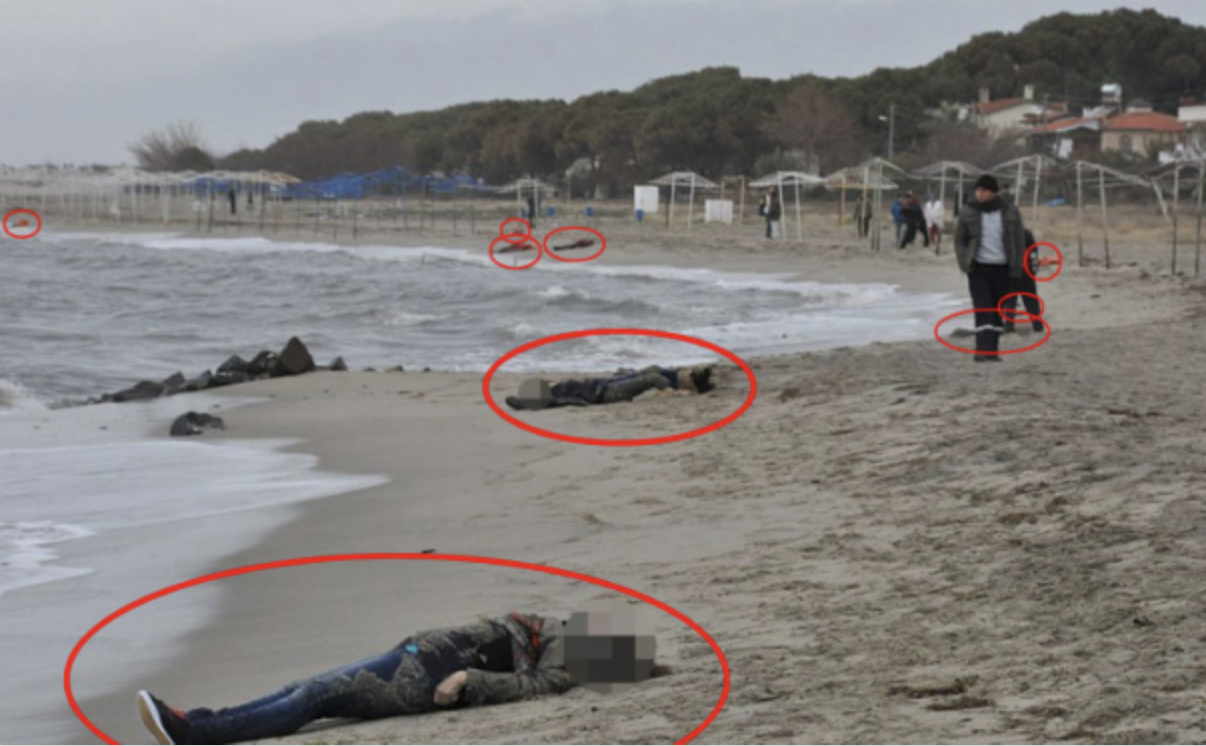
I feel compelled to reprint the section I printed then, from Hans Rosling’s book (Factfulness pg212 ff):
[W]hy weren’t the refugees traveling to Europe on comfortable planes or ferry boats instead of traveling over land to Libya or Turkey and then entrusting their lives to these rickety rubber rafts? After all, all EU member states were signed up to the Geneva Convention, and it was clear that refugees from war-torn Syria would be entitled to claim asylum under its terms. I started to ask this question of journalists, friends, and people involved in the reception of the asylum seekers, but even the wisest and kindest among them came up with very strange answers.
Perhaps they could not afford to fly? But we knew that the refugees were paying 1,000 euros for each place on a rubber dinghy. I went online and checked and there were plenty of tickets from Turkey to Sweden or from Libya to London for under 50 euros.

Maybe they couldn’t reach the airport? Not true. Many of them were already in Turkey or Lebanon and could easily get to the airport. And they can afford a ticket, and the planes are not overbooked. But at the check-in counter, they are stopped by the airline staff from getting onto the plane. Why? Because of a European Council Directive from 2001 that tells member states how to combat illegal immigration. This directive says that every airline or ferry company that brings a person without proper documents into Europe must pay all the costs of returning that person to their country of origin.
Of course, the directive also says that it doesn’t apply to refugees who want to come to Europe based on their rights to asylum under the Geneva Convention, only to illegal immigrants. But that claim is meaningless. Because how should someone at the check-in desk at an airline be able to work out in 45 seconds whether someone is a refugee or is not a refugee according to the Geneva Convention? Something that would take the embassy at least eight months? It is impossible. So the practical effect of the reasonable-sounding directive is that commercial airlines will not let anyone board without a visa. And getting a visa is nearly impossible because the European embassies in Turkey and Libya do not have the resources to process the applications.
Refugees from Syria, with the theoretical right to enter Europe under the Geneva Convention, are therefore in practice completely unable to travel by air and so must come over the sea.
Why, then, must they come in such terrible boats? Actually, EU policy is behind that as well, because it is EU policy to confiscate the boats when they arrive. So boats can be used for one trip only. The smugglers could not afford to send the refugees in safe boats, like the fishing boats that brought 7,220 Jewish refugees from Denmark to Sweden over a few days in 1943, even if they wanted to.
Our European governments claim to be honouring the Geneva Convention that entitles a refugee from a severely war-torn country to apply for and receive asylum. But their immigration policies make a mockery of this claim in practice and directly create the transport market in which the smugglers operate. There is nothing secret about this; infant it takes some pretty blurry or blocked thinking not to see it.
We have an instinct to find someone to blame, but we rarely look in the mirror. I think smart and kind people often fail toreach the terrible, guilt-inducing conclusion that our own immigration policies [those of the EU] are responsible for the drownings of refugees.
More recently, in late 2021, the terrible treatment of migrants and asylum seekers, most of them from Iraq and Afghanistan, some from various parts of Africa, trapped on Belarus’s borders with Poland and Lithuania sparked outrage across Europe. Belarus was accused of weaponising the plight of these people, luring them to Belarus in order to travel on to EU countries as retaliation against EU sanctions. It is a form of people trafficking sponsored, it would seem, by the Belorussian government.
It has been widely reported that Polish border guards were brutal in their treatment of these refugees and migrants, many of whom sustained serious injuries from Polish and Belarussian border guards. Thousands were left stranded in the forests between the two countries in deplorable conditions with no food, shelter, blankets, or medicines: at least 19 migrants died in the freezing winter temperatures.

In response to this situation, Poland and Lithuania sent soldiers to its border, erected razor-wire fencing, and started the construction of a 186-kilometre wall to prevent asylum seekers entering from Belarus. It also adopted legislation that would allow it to expel anyone who irregularly crossed its border and banned their re-entry.
Even before the stand-off between Poland and Belarus, refugees in Poland did not receive a warm welcome. No pushchairs and food parcels for these asylum seekers! Although very few asylum seekers were actually granted refugee status (in 2020 out of 2,803 applications, only 161 were granted refugee status) and large numbers of refugees and migrants were detained: a total of 1,675 migrants and asylum seekers were in detention in January 2022, compared to just 122 people during all of 2020.
So, to what should we attribute the starkly different responses we see to the current crisis involving Ukrainians and the 2015 crisis involving Syrians? Has Europe’s response to refugees really changed this much in such a short space of time?
Perhaps we should take a closer look at what is actually happening to those fleeing Ukraine.
In particular, nationals from Africa, Asia, and the Middle East—are not getting the same generous treatment as the citizens of Ukraine.
Ukraine has some excellent universities with students drawn from all over the world. However, foreign students attempting to leave the country say they are experiencing racist treatment by Ukrainian security forces and border officials.
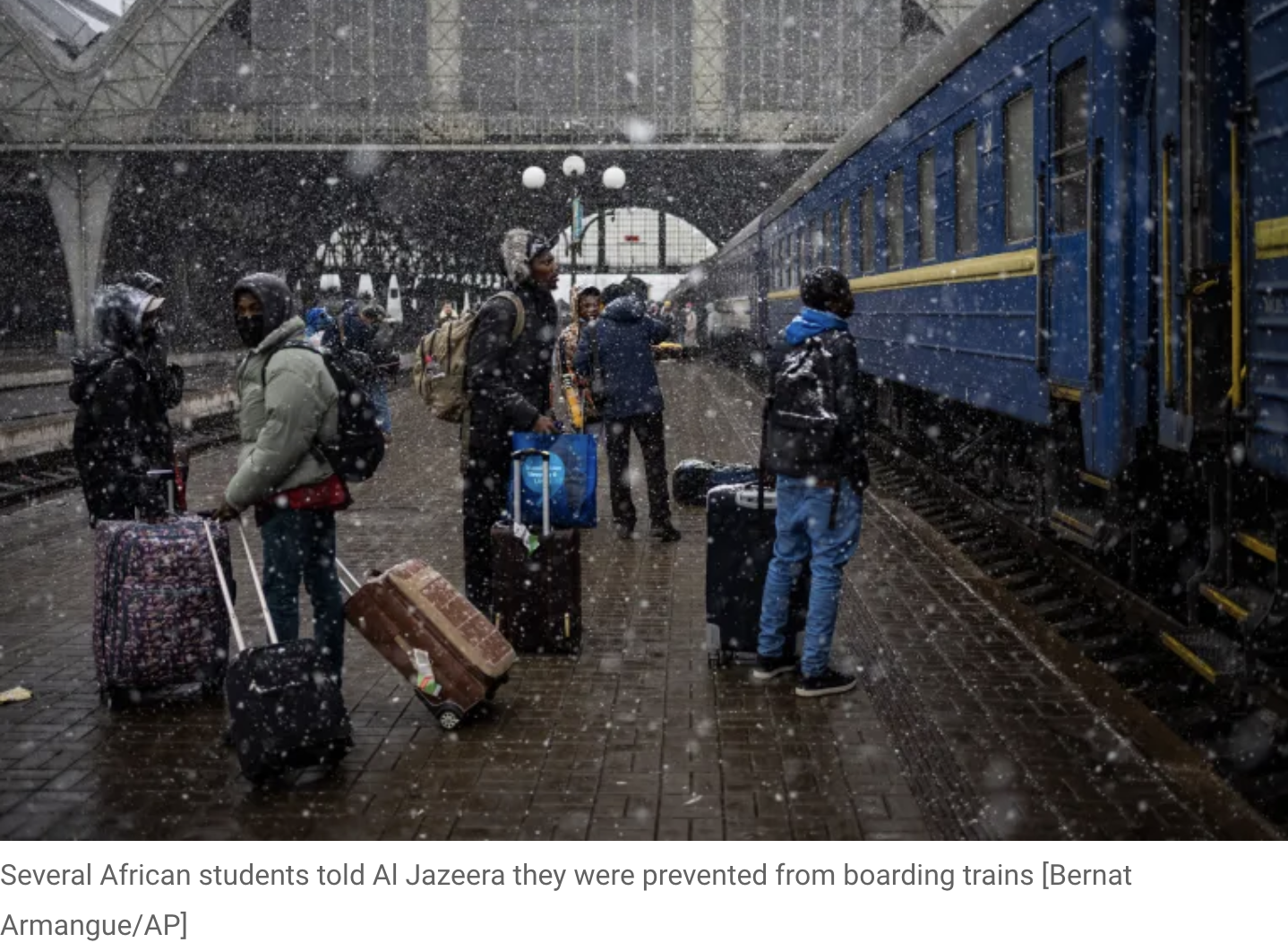
One African medical student told a CNN reporter that she and other foreigners were ordered off the public transit bus at a checkpoint between Ukraine and Poland border. They were told to stand aside as the bus drove off with only Ukrainian nationals on board, she says. Similar stories abound from the train stations.
Rachel Onyegbule, a Nigerian first-year medical student in Lviv was left stranded at the border town of Shehyni, some 400 miles from Ukraine’s capital, Kyiv. She told CNN: “More than 10 buses came and we were watching everyone leave. We thought after they took all the Ukrainians they would take us, but they told us we had to walk, that there were no more buses and told us to walk… My body was numb from the cold and we haven’t slept in about 4 days now. Ukrainians have been prioritized over Africans — men and women — at every point. There’s no need for us to ask why. We know why. I just want to get home”.
CNN also reported the experiences of Saakshi Ijantkar, a fourth-year medical student from India, trying to leave from Lviv, western Ukraine.”There are three checkposts we need to go through to get to the border. A lot of people are stranded there. They don’t allow Indians to go through.” It appears that they allow 30 Indians only after 500 Ukrainians get in. “To get to this border you need to walk 4 to 5 kilometers from the first checkpoint to the second one. Ukrainians are given taxis and buses to travel, all other nationalities have to walk. They were very racist to Indians and other nationalities,’” the 22-year-old from Mumbai told CNN.
She added that she witnessed violence from the guards to the students waiting at the Ukrainian side of the Shehyni-Medyka border. “They were very cruel. The second checkpoint was the worst. When they opened the gate for you to cross to the Ukrainian border, you stay between the Ukraine and Poland, the Ukrainian army don’t allow Indian men and boys to cross when you get there. They only allowed the Indian girls to get in. We had to literally cry and beg at their feet. After the Indian girls got in, the boys were beaten up. There was no reason for them to beat us with this cruelty,” Ijantkar said. “I saw an Egyptian man standing at the front with his hands on the rails, and because of that one guard pushed him with so much force and the man hit the fence, which is covered in spikes, and he lost consciousness,” she said. “We took him outside to give him CPR. They just didn’t care and they were beating the students, they didn’t give two hoots about us, only the Ukrainians,” she added.
This Al Jazeera report has disturbing video footage that corroborates these claims and reports the African Unions dismay at the way Africans are being treated.
Al Jazeera reports that South Africa’s foreign ministry spokesman, Clayson Monyela, said in a tweet that students from his country were stuck at the Ukraine-Poland border. The South African ambassador to Poland has been at the border trying to get the students through, Monyela added. South African and other African students have been treated badly at the border, Monyela said. Meanwhile, the United States Bureau of African Affairs tweeted that it was coordinating with UN agencies and other governments “to ensure every individual, including African students, crossing from Ukraine to seek refuge is treated equally – regardless of race, religion, or nationality.” This has perhaps been prompted by African Americans in Ukraine experiencing this discrimination.
This tweet from an Indian student in Ukraine, Nirmal, seems to sum things up well and includes a disturbing video clip of a Ukrainian police officer pushing a black woman off a train to let a white woman on instead.
Others have alleged that they are being blocked from planes and their passports have been seized. Families and children as young as two months are waiting outside in temperatures as cold as three degrees. A man can be heard on a video saying, “They are not allowing any Black people to enter inside the gates. It’s only Ukrainians that they’re allowing in, even ones with kids, they’re not allowing in. Nobody is talking to us.” Another video shows more than two dozen Africans huddled in a basement reportedly without heat.
The Global Detention Project, a non-profit organisation based in Geneva that promotes the human rights of people who have been detained for reasons related to their non-citizen status, reports in an article that I have lent heavily on here, that several African leaders—including, notably, Nigerian President Muhammadu Buhari—have strongly criticized the discrimination on the borders of Ukraine, saying everyone has the same right to cross international borders to flee conflict and seek safety.
The African Union stated that “reports that Africans are singled out for unacceptable dissimilar treatment would be shockingly racist and in breach of international law,” and called for all countries to “show the same empathy and support to all people fleeing war notwithstanding their racial identity.”
Similar messages were shared by the UN Secretary General, Antonio Guterres, who said in a Tweet: “I am grateful for the compassion, generosity and solidarity of Ukraine’s neighbours who are taking in those seeking safety. It is important that this solidarity is extended without any discrimination based on race, religion or ethnicity,” and the UN High Commissioner for Refugees who stressed that “it is crucial that receiving countries continue to welcome all those fleeing conflict and insecurity—irrespective of nationality and race.”
The recent history of migration policies and practices in Europe, right up to the present, make this seem a forlorn hope. Yes, the current media coverage of the Ukraine crisis does show that we are capable of demonstrating generosity, humanitarian values and a commitment to the protection and welfare of refugees. But it does not take very much reflection to realise that it also unmasks the widespread racism and animosity to refugees and asylum seekers from outside of Europe, especially with black or brown skin.
Ask yourself why you can identify only one out these three flags with any confidence. (Well done, if you can name all three without cheating).

Postscript: Two days after publishing this piece , Double Down News posted a video piece by Peter Oborne that echoes much of what I have said above about the differing values we see towards Ukarainian/European victims of war and, say, Yemeni/non-white victims of war. Osborne says this shows that “we’re racists; we’re barbarians too”.

It appears to be the time he has spent reporting from Yemen, among other things, that has changed Osborne’s worldview from that of a staunch Conservative (foremer lead political commentator for the Daily Heil and Torygraph, no less, into a commentator of true wisdom and valuable insight. I commend this article he wrote for the Guardian to gain an insight onto the man; especially how appalled he has become by Boris Johnson’s incessant lying and the media’s failure to hold him to account . He has even gone so far as to produce this great little website: https://boris-johnson-lies.com
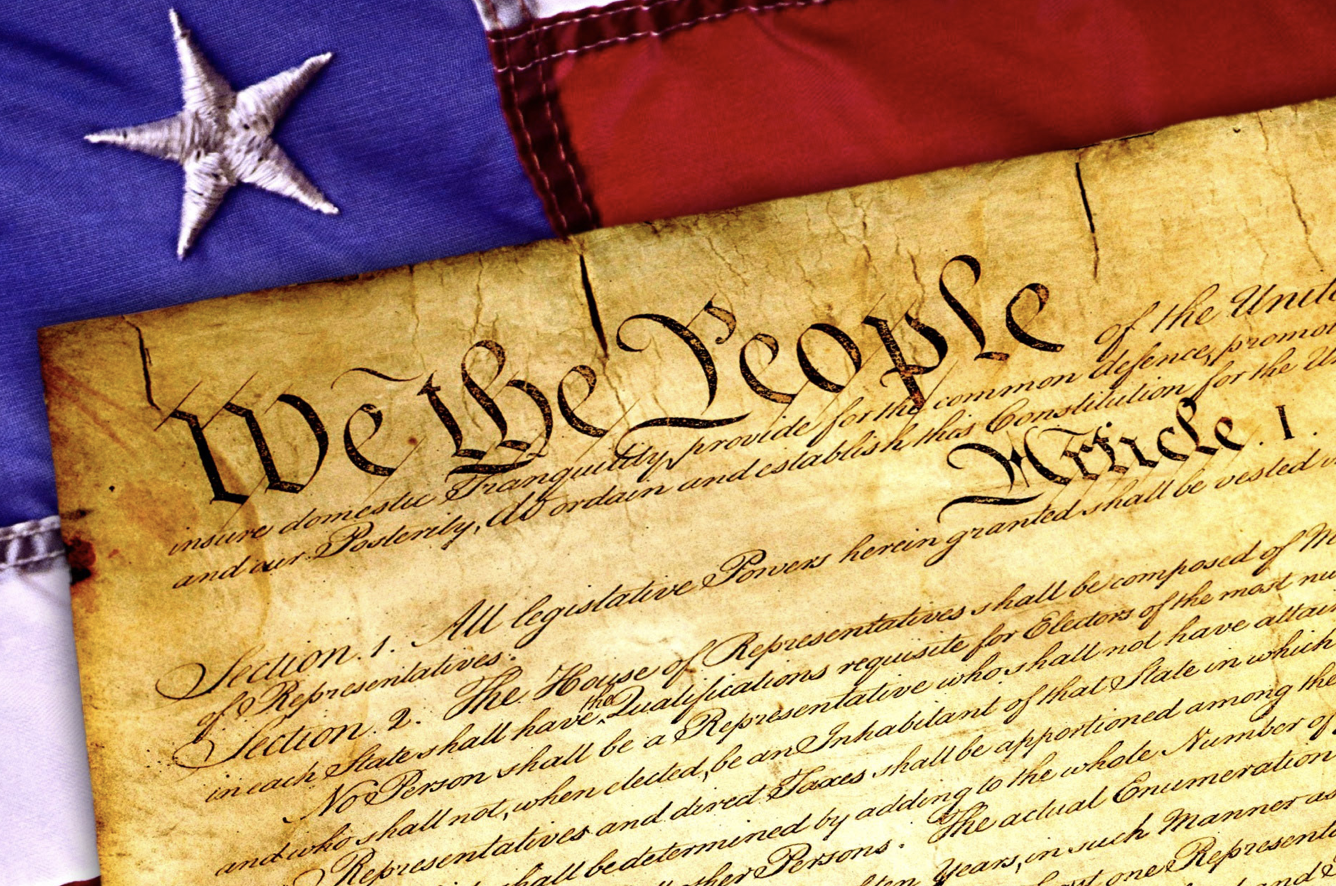 when studying A-level history in the late 70s. I remember writing an essay on it in which I think I ended by saying that perhaps one day the UK would regret not having one even though it didn’t seem to be much of an issue to that point.
 But even more than that, and if we assume for the sake of argument the UK exists in perpetuity, the current abysmal government of the UK under, the criminal mismanagement of Boris Johnson, is really underlining the the problems of not having a written constitution.
 This criminal mismanagement is very much the focus of the Good Law Project; a not-for-profit campaign organisation that uses the law to protect the interests of the public. They fight cases that defend, define or change the law and use litigation to engage and educate. They seek to challenge abuses of power, exploitation, inequality, and injustice, and as such have a good track record of holding this government to account. (
 I was therefore very pleased to receive the letter, reproduced below, that highlights exactly my thoughts and concerns about our lack of a written constitution, written by Jolyon Maugham QC, the Director of Good Law Project. He is avowedly a political centrist, which is generally anathema to me, but he is driven by a strong moral compass that drives him to challenge the overt abuses of power, corruption and injustice that have become virtually unchallenged, everyday events under this abysmal regime.
 Thus, Tory policies that we know have
 Other countries were all over it from the off and have relatively modest death tolls, but they had voted in caring, intelligent, cautious people (especially women) to lead their Governments. We made a very different choice last December. We chose Boris Johnson to ‘get Brexit done’, and nobody could know that this would lumber us with exactly the wrong type of person in the hot seat during the worst health crisis for 100 years. It was just our bad luck. Suck it up Britain!
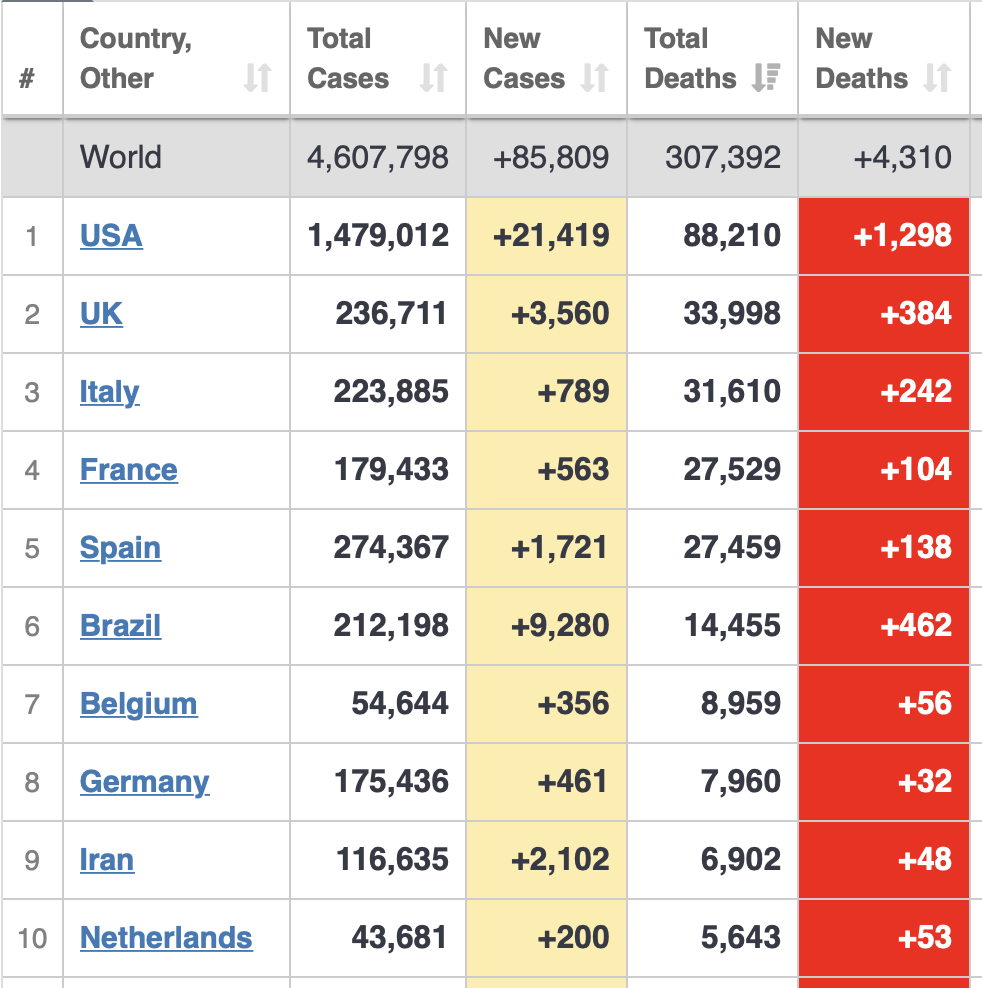 So, as I write, we have little choice but to accept that, instead of the 5 to 6,000 deaths that may well have been unavoidable (even though some countries experiences suggest as few as 5 to 600 was actually possible), the current toll of 55,000 to 60,000 (to use the widely accepted estimates from people like the ONS, rather than the 34,000 declared by Government to date) represents something in the region of 50,000 deaths (and counting) that we could realistically call ‘involuntary manslaughter’.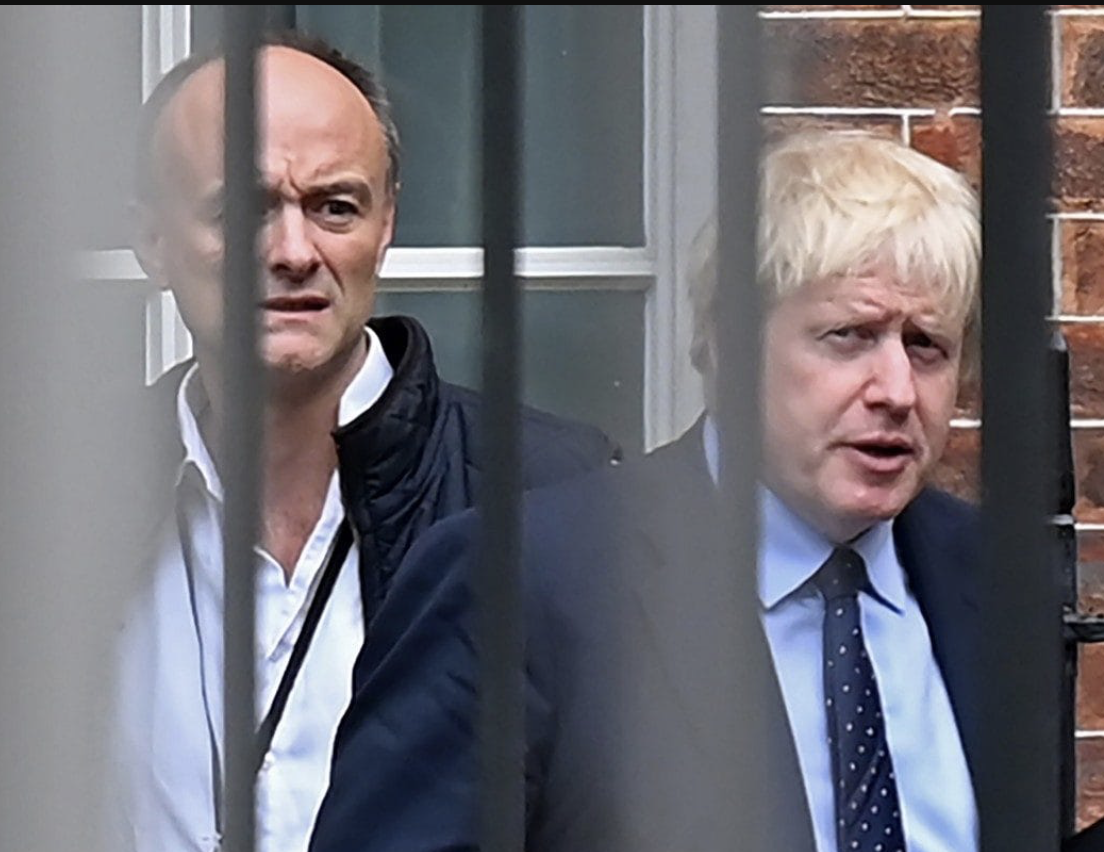
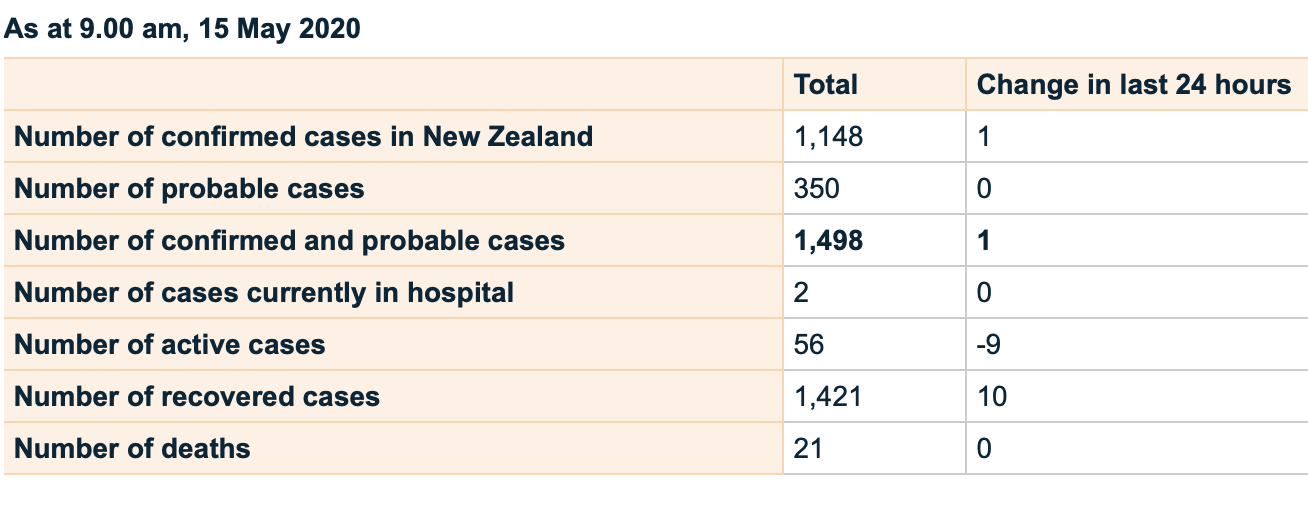
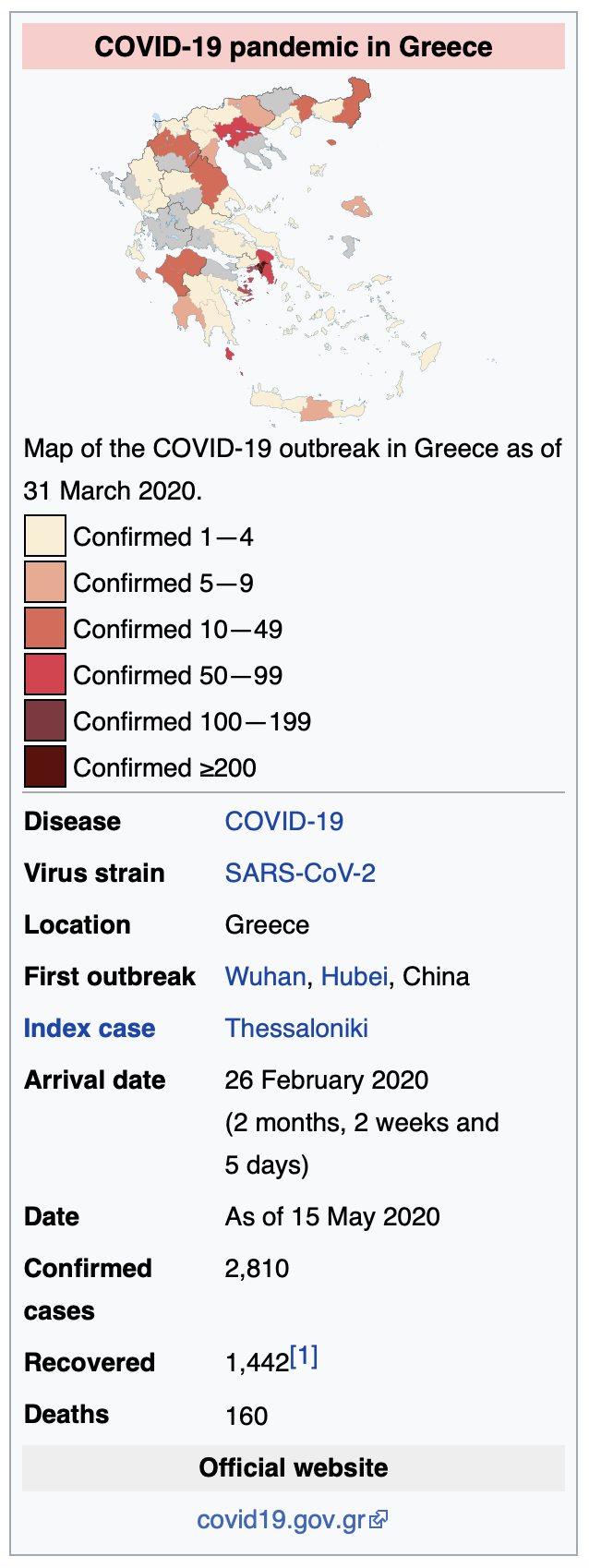 Countries like New Zealand and Greece and a few others got all over the virus with testing/track/trace/isolate at the outset so that things never got unmanageable and the virus could effectively be squeezed out of existence in those countries. This ship sailed months ago from the UK. From where we now find ourselves, it is completely impractical to pursue such a policy to a point of eliminating the virus. The resources needed, in terms of testing capacity and the labour needed to investigate and successfully track and trace all contacts of the infected is immense. The agenda behind the implementation of this strategy is still what is was in March; trying to prevent the NHS being overwhelmed by the wave; not minimising the death toll. There is no suggestion of disbanding the ’Nightingale Hospitals’, despite them not really being needed at all to date, because their time is likely to still come!
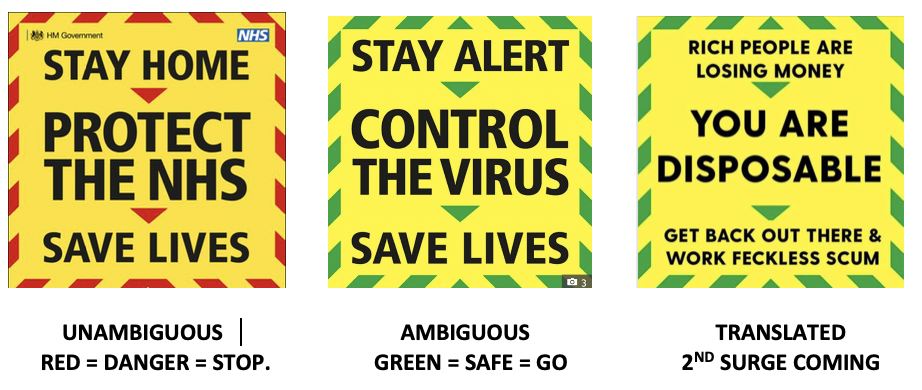 The first thing to note is that the red flashing around the messaging has been changed to green. This is very basic messaging; red = stop/danger, green = go/safe. Then we have the bizarre sounding STAY ALERT. To most people this means be on your toes, wake up and be ready to react. How’s this relevant to an invisible assailant that takes a couple of weeks to let its presence in your body be known? When asked, ministers trotted out the prepared line that ’stay alert’ in this context means stay at home unless you can’t work from home, keep washing your hands and maintain safe distancing (I hate that phrase “social distancing”). This is patently NOT about staying alert; it is about staying safe. But they don’t say STAY SAFE because they’ve had enough of that now. They want you energised and back to work now, hence the energising phrase STAY ALERT.
 Now is the time to remind ourselves of the definition of murder as used in the UK judicial system. I am using the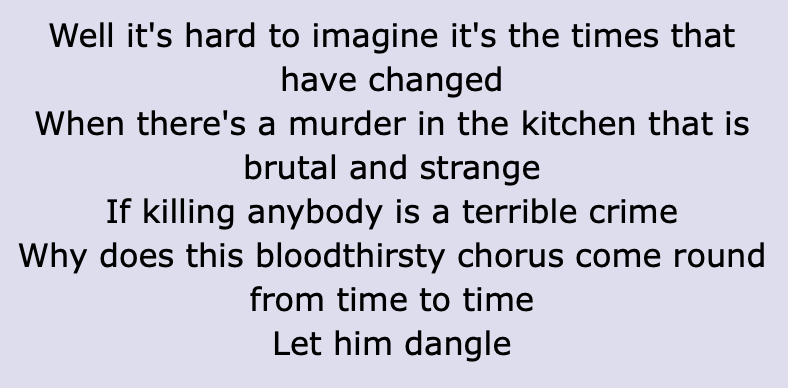
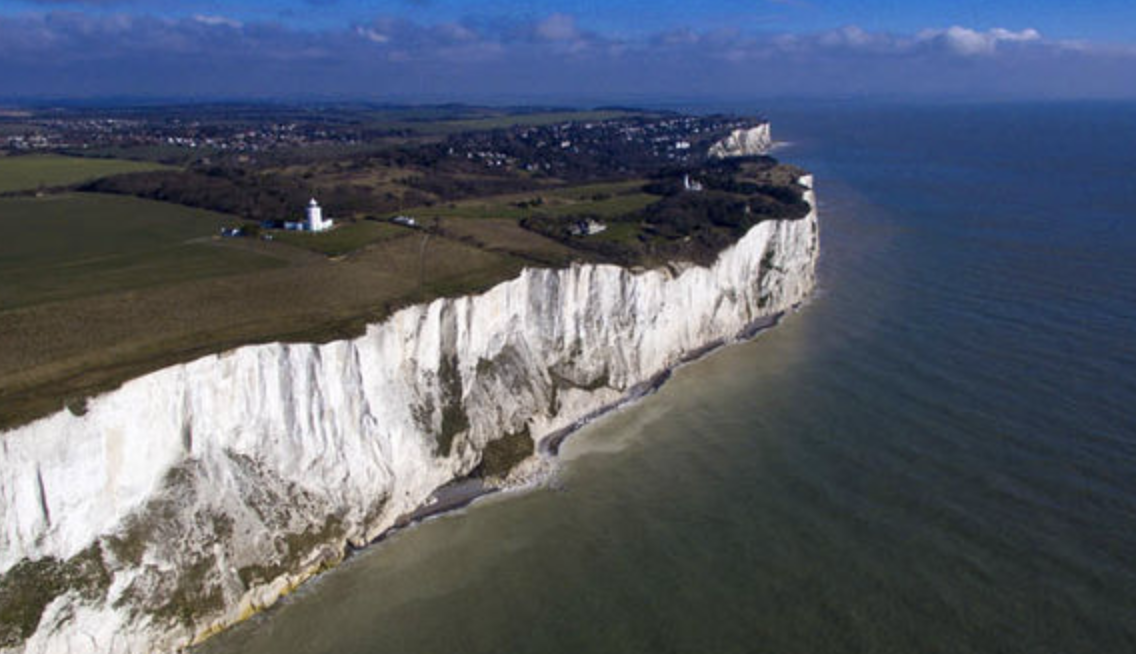 The sight of red, white and blue bunting and union jacks going up, and talk of abandoned street parties (due to covid-19), smack of misplaced British triumphalism and exceptionalism that deny the fact that the only indisputable reason we were the only European country to completely resist invasion by the Nazis (if you give up the Channel Islands), was not because of any exceptional military might, or brilliant generals, or plucky British spirit, but because of the simple geographical accident of being an island. Without being bailed out by our American ‘cousins’ even that would probably not have been enough.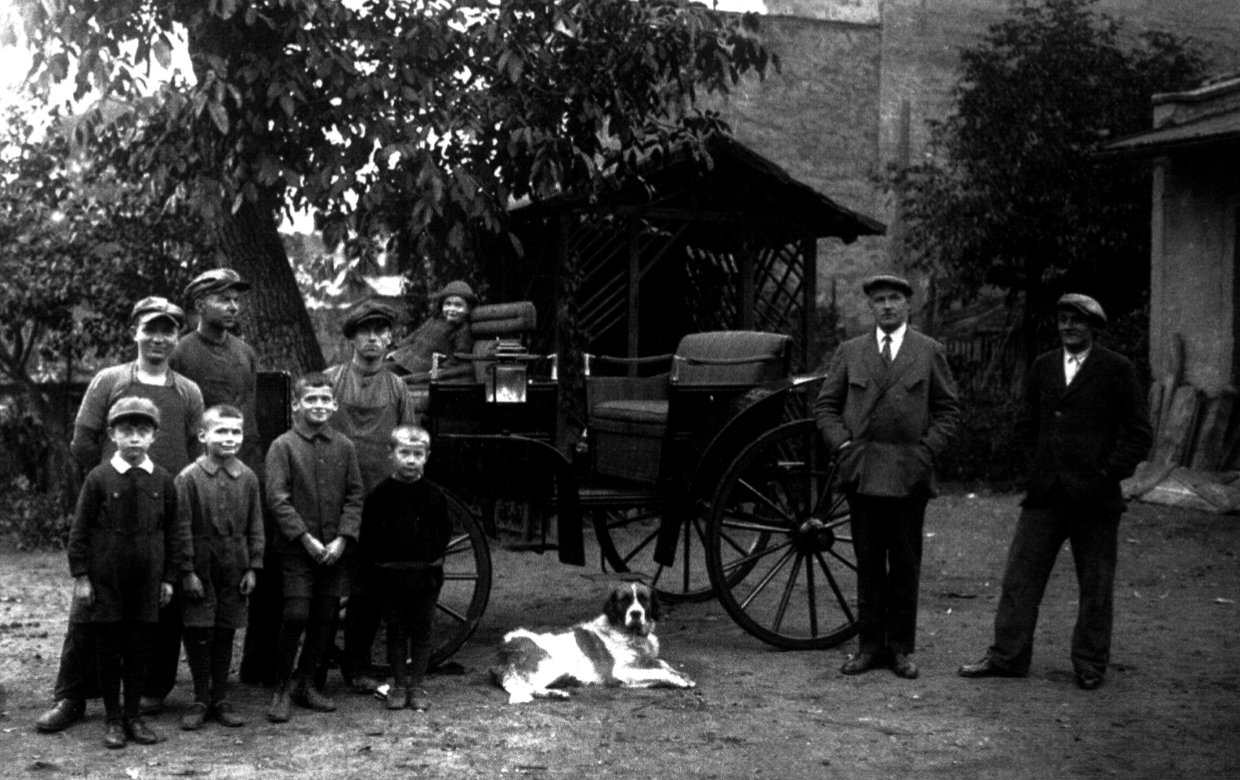
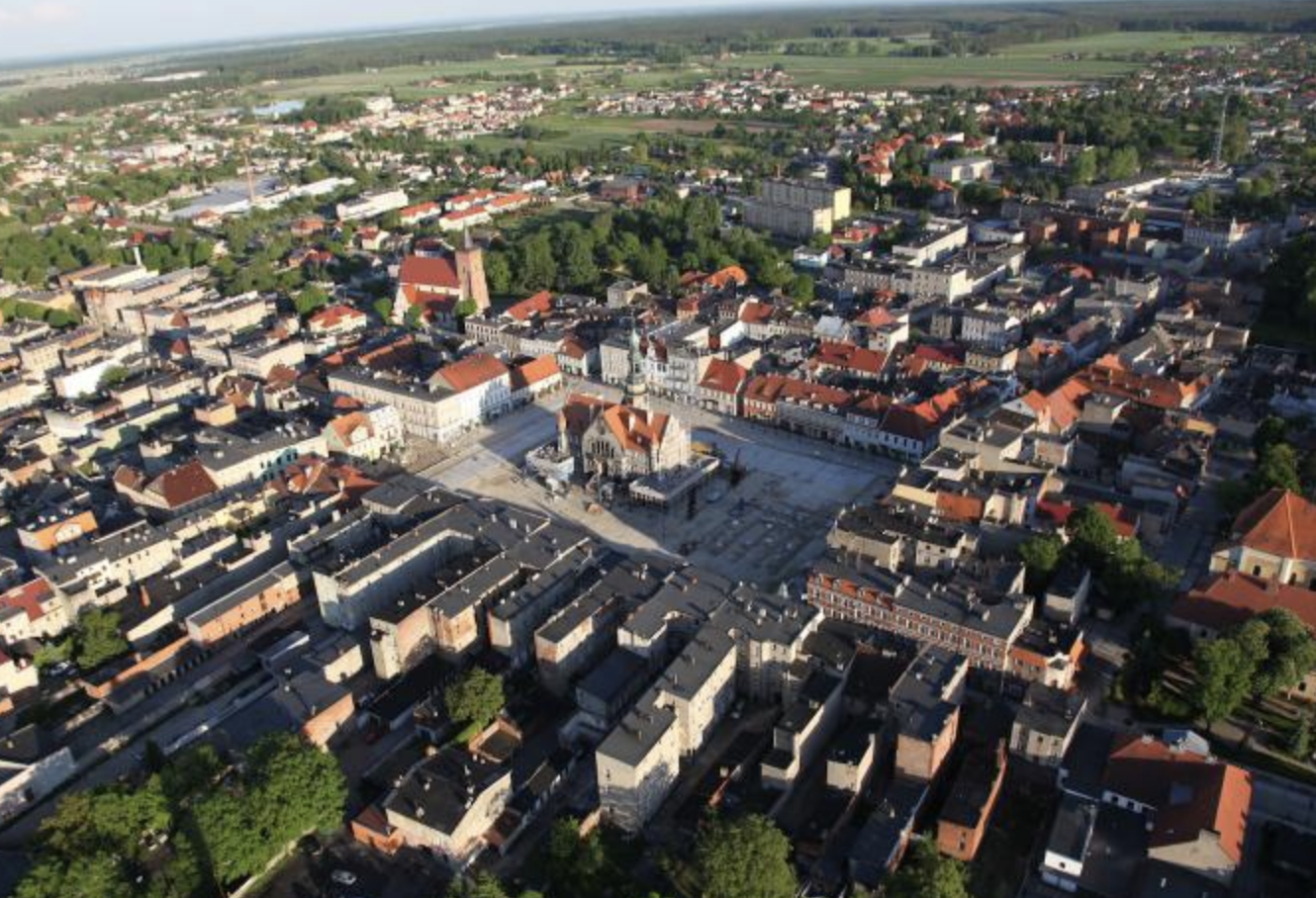
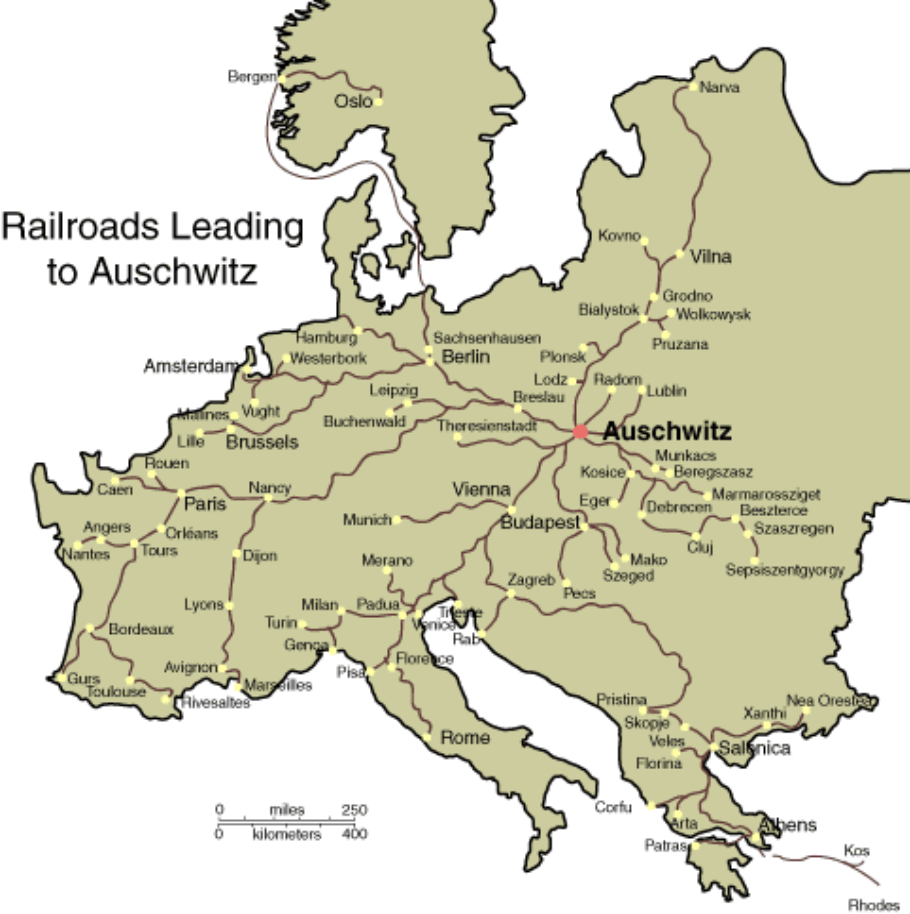 Given the timing and the geographical range, this was almost certainly work on the train lines into Auschwitz.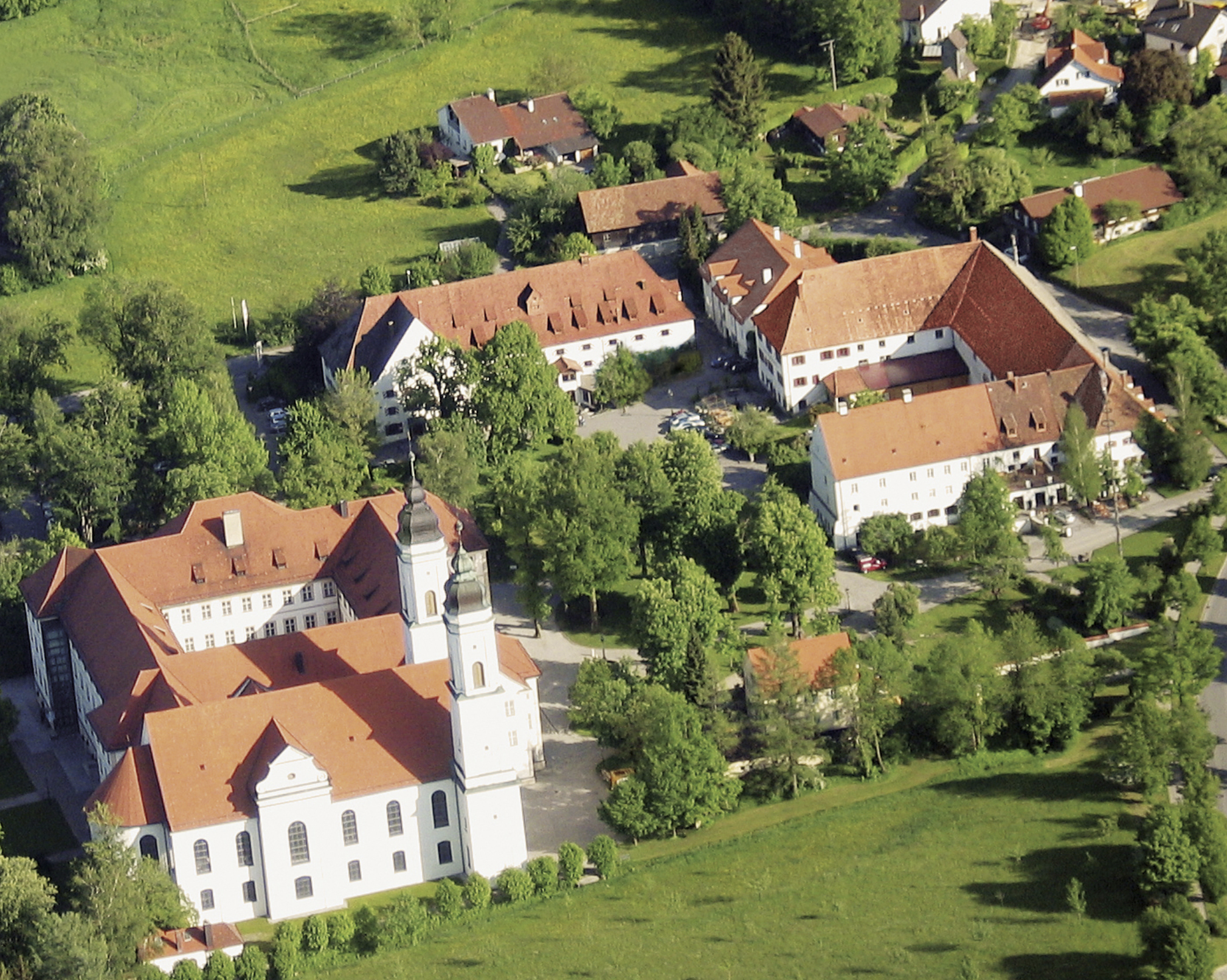
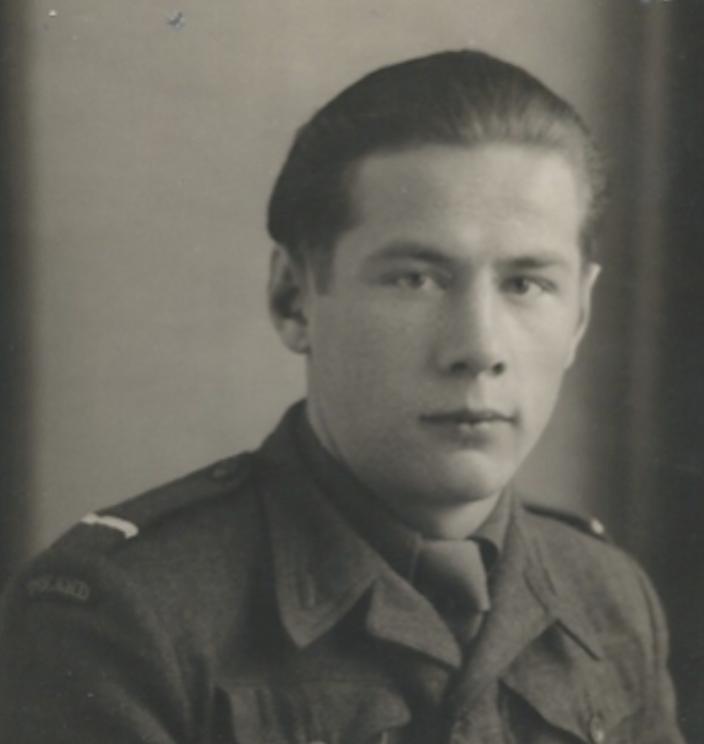
 He was severely malnourished and pretty much delirious, probably as much from relief as anything else. He found himself passed back through the lines and eventually on a boat. By the time he was fully aware again, he found he was in a convalescent hospital in Glasgow, probably the Glasgow Convalescent Home, used as a military hospital and soldier convalescent home during and immediately after the war, later to become Woodlilee Hospital. He was uncertain as to whether he was there for his birthday, but was there for Christmas in 1944, having just turned 18 years old. The aerial shot shows that it was a majestic complex of buildings, surrounded by fields, just outside the city as it was then. The second shows that there are few building left, with the hospital now gone and the site part of the sprawling suburbs of Glasgow today.

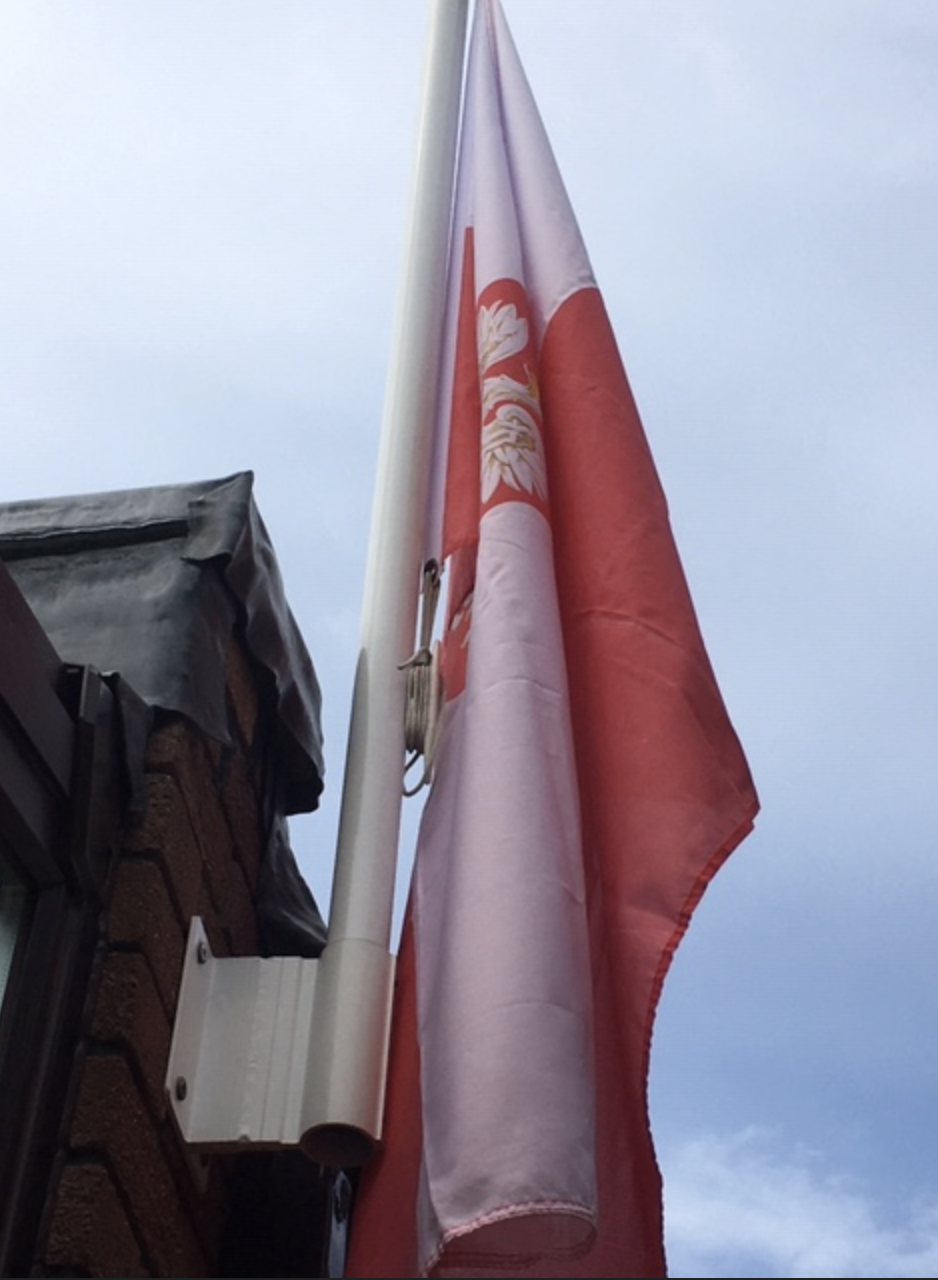
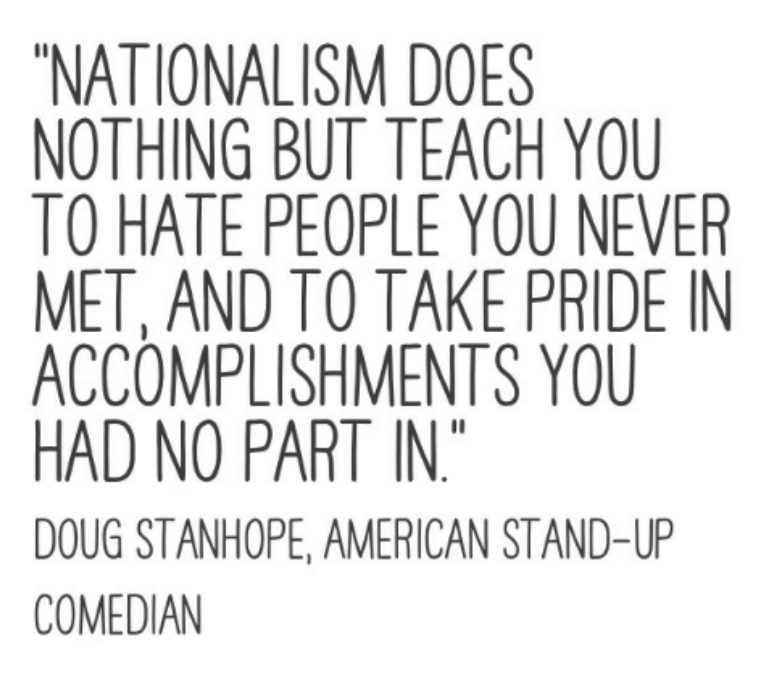 This is in no small part because I have long been a vociferous critic of nationalism. I devoted a small chapter of my 2011 book, The Asylum of the Universe, to this perspective, at a time when I was still far from convinced of the case for Welsh independence. I have to admit that this was an intellectual stumbling block to me getting my head around an unambiguous position in favour of independence.
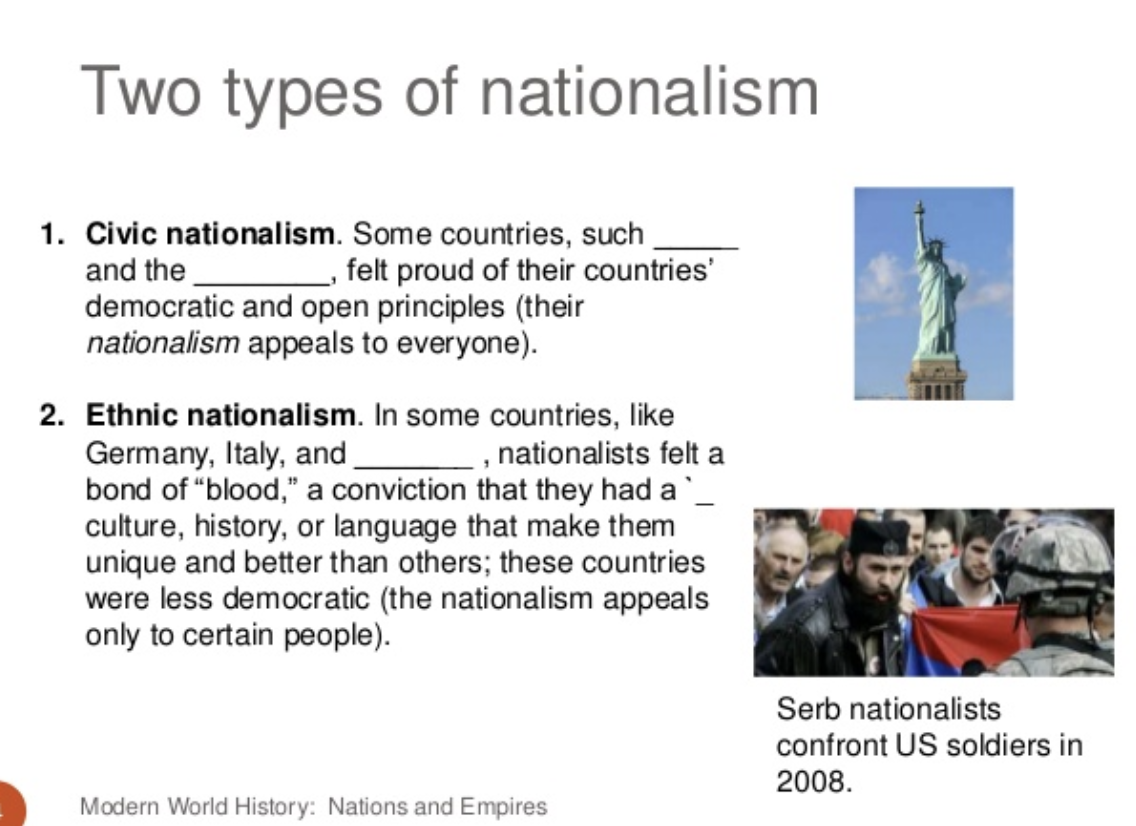
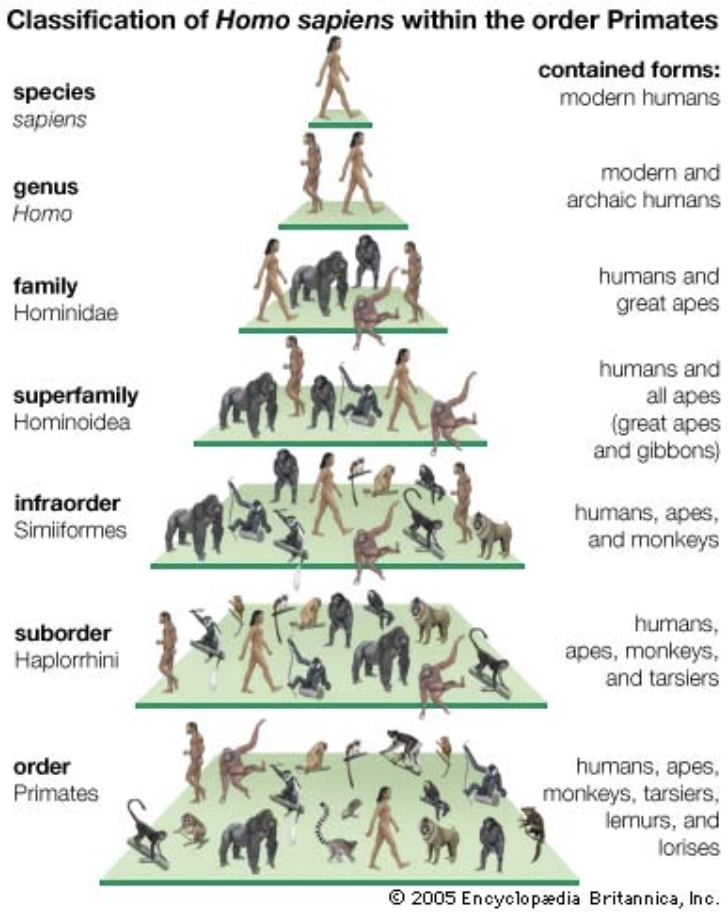 This is basic anthropology and ancient history. There were once no nations and no borders. Indeed there were once no people, and apart from the points of origin of our species (why stop there? Genus? Family? etc.), well, the point is that who belongs where is ALWAYS subjective and distorted by assertions of the significance of who actually was where at some arbitrary point in history. ‘Fictive ethnicity’ is therefore the idea that all the people who seek to ‘belong’ to the ‘nation’ are required to share certain characteristics, be they biological or cultural. This can be used to assert the distinctiveness of people at different scales: Coity v Wildmill, valleys v the vale, SE Wales v SW Wales, South Wales v North Wales, Wales v England, Britain v Ireland, UK v Europe, Europe v Asia, white people v the rest of the world.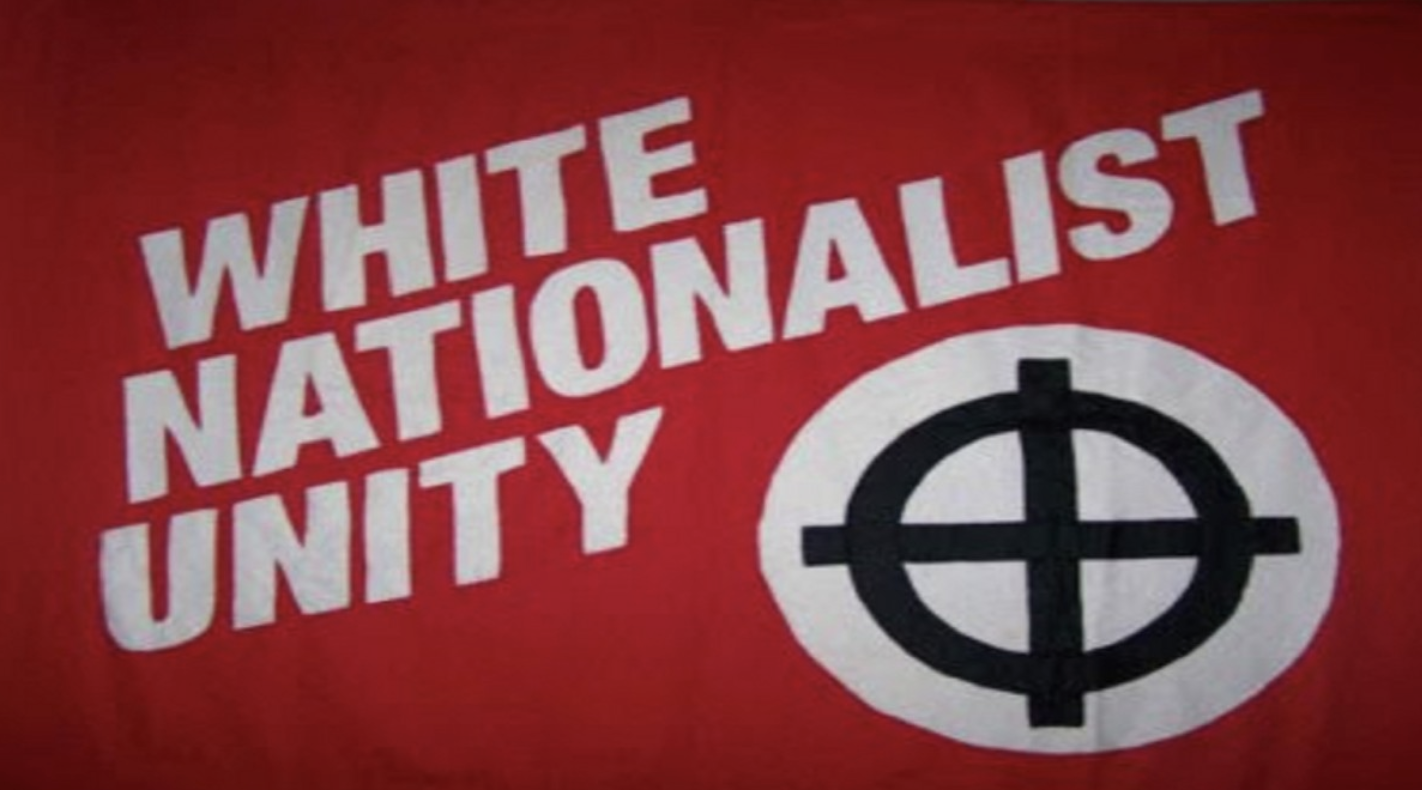
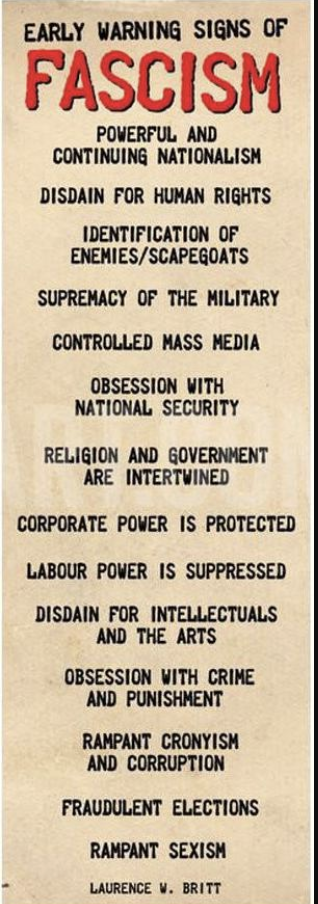
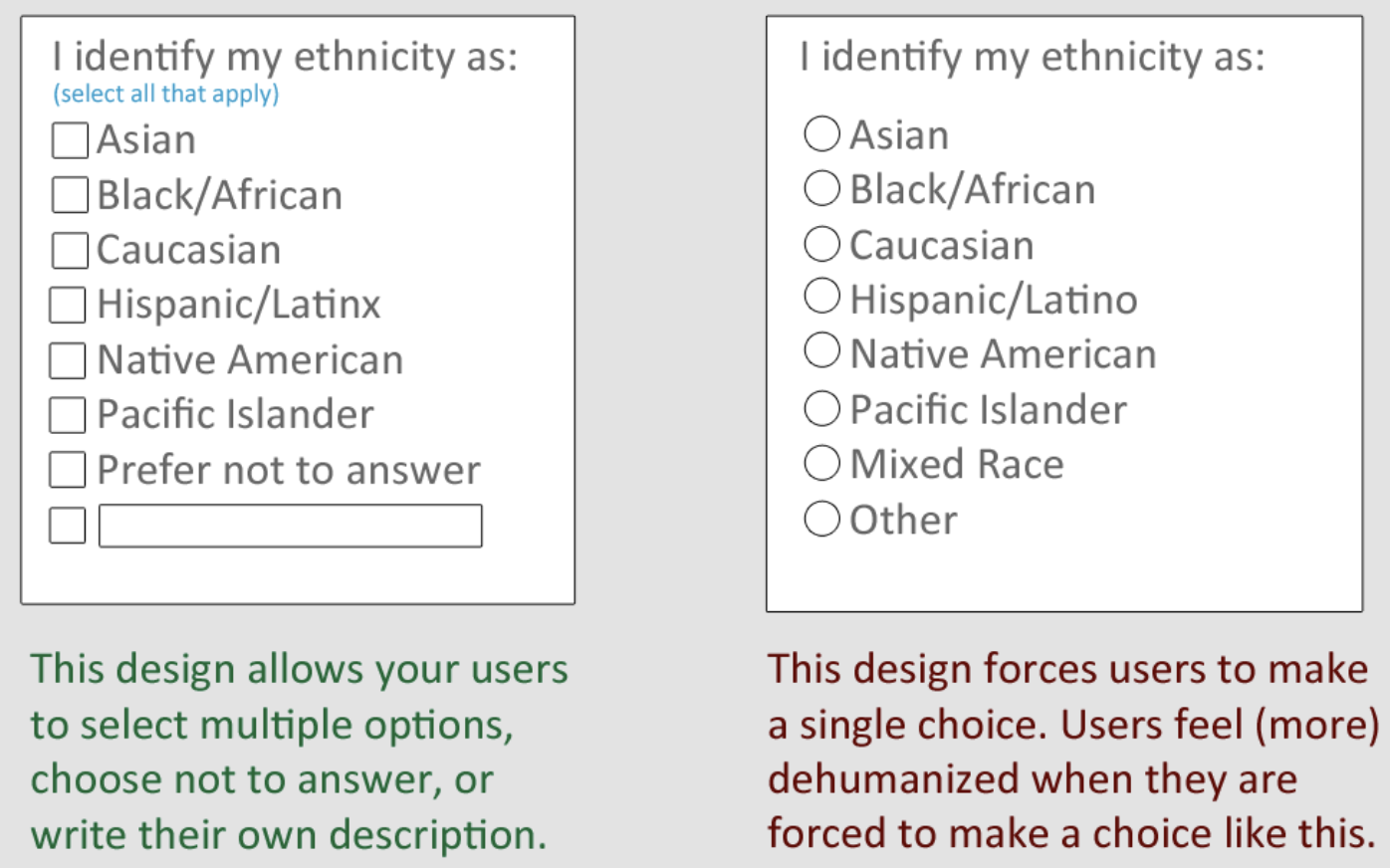 Strangely though, people start to have issues if I try to claim more than one and I would probably struggle to get away with claiming to be Icelandic, which would be my first choice, or Jamaican, for example, which also has some appeal. Ok, I may be getting a little facile, but my point is a serious one. Does ’national identity’ matter? Should it matter? And why?
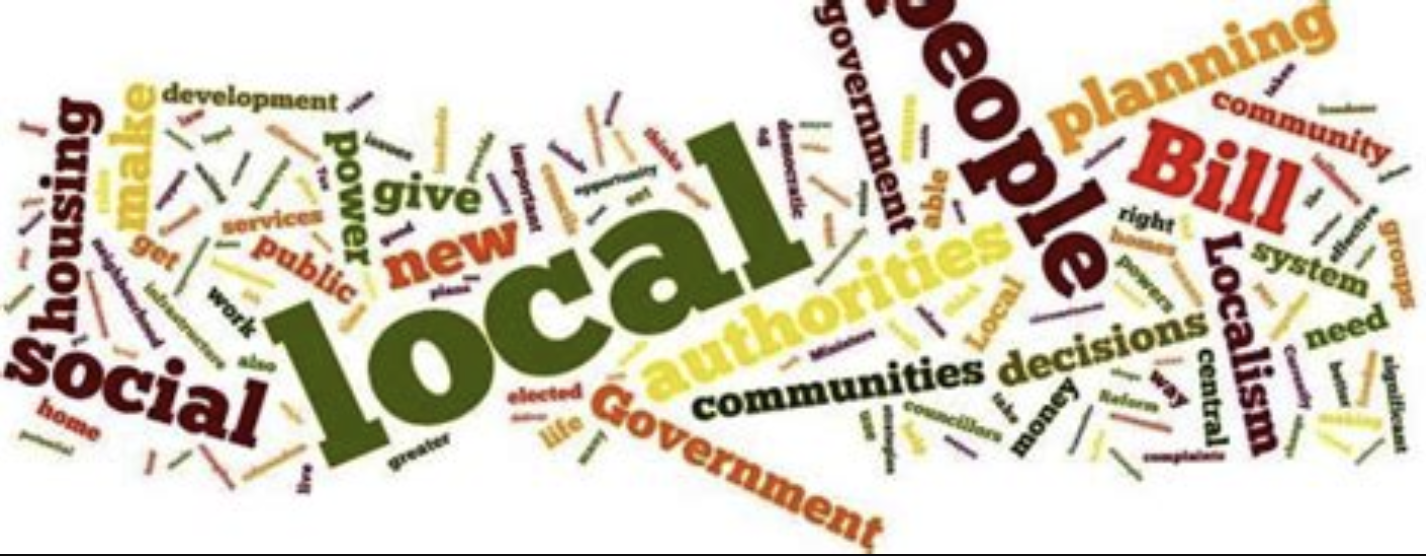 Like nationalism, localism describes a range of related political philosophies that can range from the far left to the far right. My localism comes from the more anarchic, environmentalist end of the spectrum. In general terms, localism supports local production and consumption of goods, local control of government, and promotion of local culture and identity.
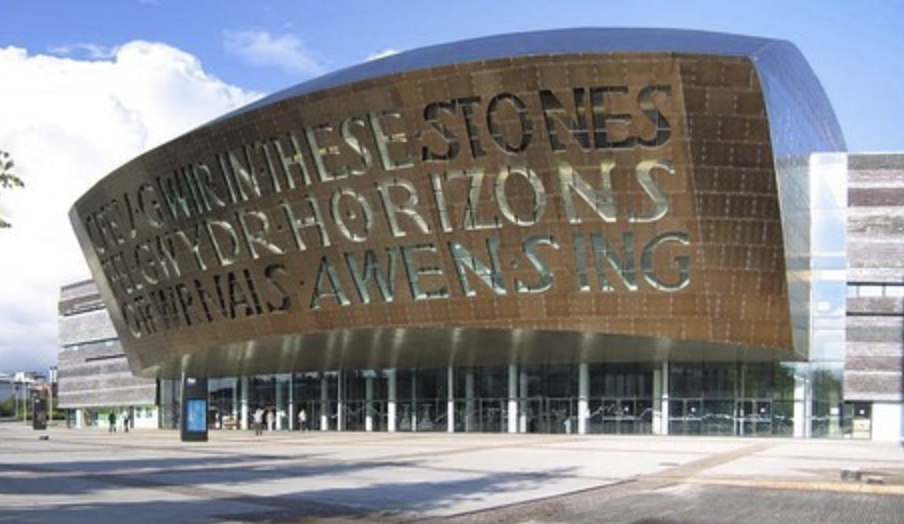 Independence for Wales is not necessarily going to achieve these aspirations in itself , but it is a huge stepping stone towards it. Is there anything that effects the lives of people in Wales that is inherently better decided in Westminster at a UK scale, than in Cardiff (or somewhere else in Wales – I’m not convinced that Cardiff is the most appropriate location for whole-of-Wales decision-making) for Wales or even at more local level where practicable? It is, at best, cumbersome and inefficient (a bit like that last sentence!) and at worst, prejudicial, detrimental and anti-democratic. Wales has never backed a Tory government in Westminster, yet has suffered immeasurably from the consequences of being ruled by one. If nothing else, it has created a degree of subservience and sapped the self-belief from the people of Wales.
 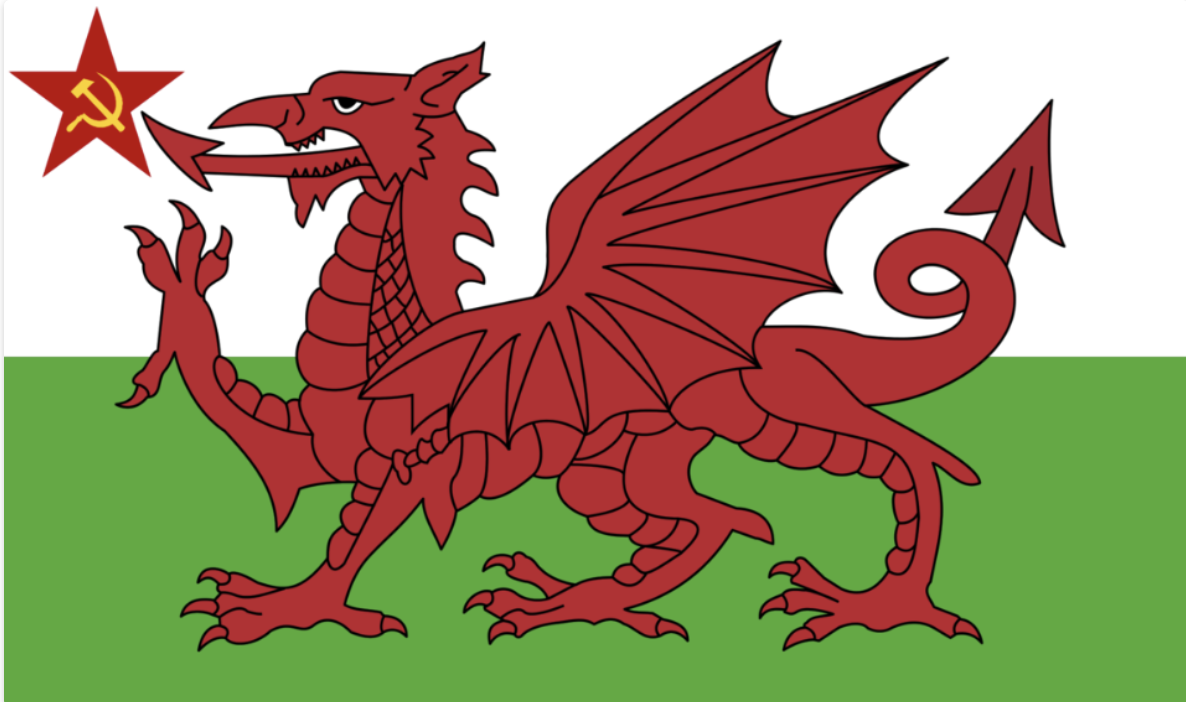 This is beginning to sound like a manifesto for the a new Welsh republic, and it is of sorts. I have a dream! But none of this is assured in an independent Wales. Far from it. In the hands of the far-right it would look utterly different. But the essential point is that it is all possible in an Independent Wales and virtually impossible in a Wales tied to a deeply conservative/Conservative England. Whereas ethnic and/or cultural homogeneity may be dangerous goals, political consensus must be a worthwhile aspiration. There is obviously some overlap in this, but it is patently easier to achieve in smaller countries than big ones.
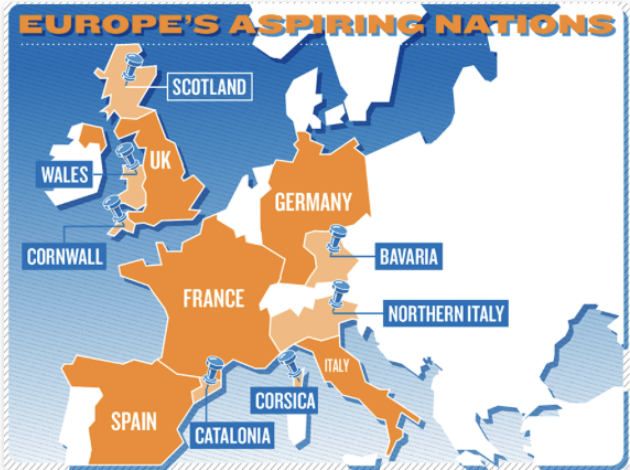 The late 20th century saw the breaking up of many unwieldy, fractured blocs, such as Yugoslavia, the USSR, Czechoslovakia, and parts of east Africa. The early 21st century has seen growing pressure for independence of viable smaller countries in many parts of the world, from here in the UK, across many parts of Europe and beyond.
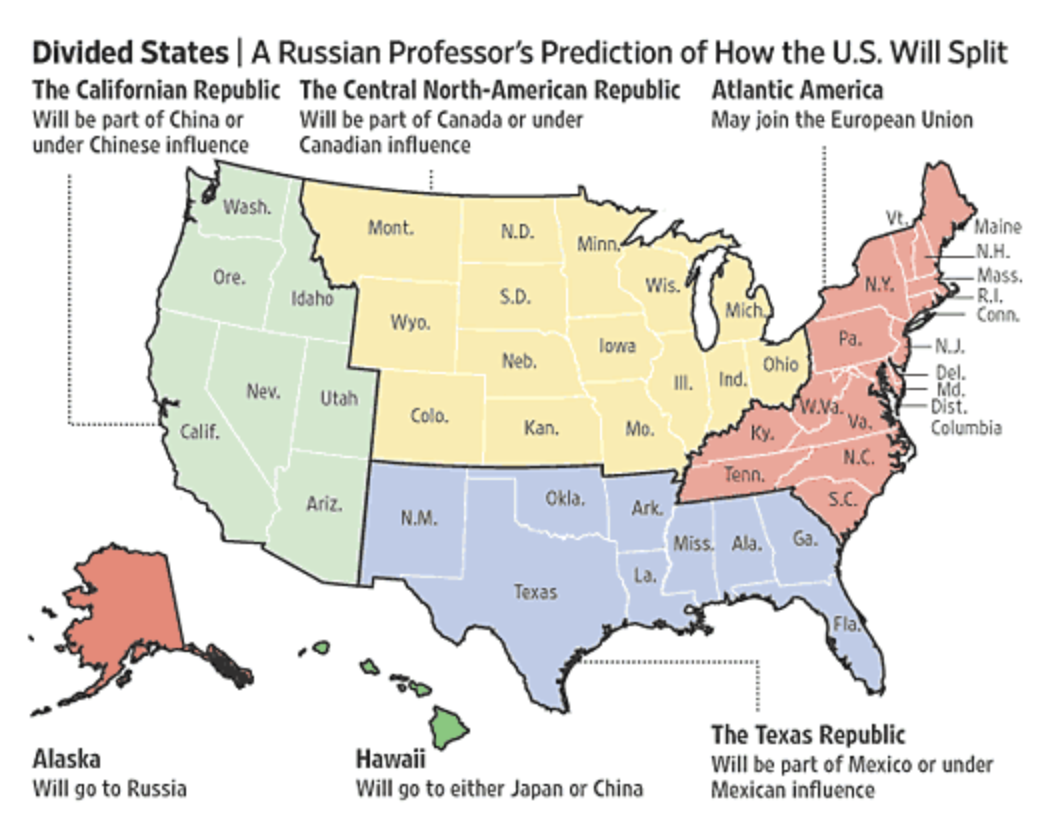 Few would surely argue that the breaking up of the supposed superpowers of
 I doubt you’ll be surprised by this, but having spent a couple of weeks reflecting and soul-searching, I have decided my time with the Labour Party is done once again.
 I came back to the party, after a hiatus of nigh on 30 yrs, along with many thousands of others, once Corbyn became established as leader and it was clear that the Labour Party had finally returned to its socialist values. Except it was only ever the leadership and huge influx of new members that ever properly bought into this.
 Carwyn Jones and Madeleine Moon, who did more than their fair share to undermine the new zeitgeist. But slowly and seemingly surely we were dragging things in the left direction. With Jones and Moon discarded to the dustbin of history, despite the circumstances, I still felt a degree of optimism that with new blood in the leadership of the right calibre, momentum could be regained.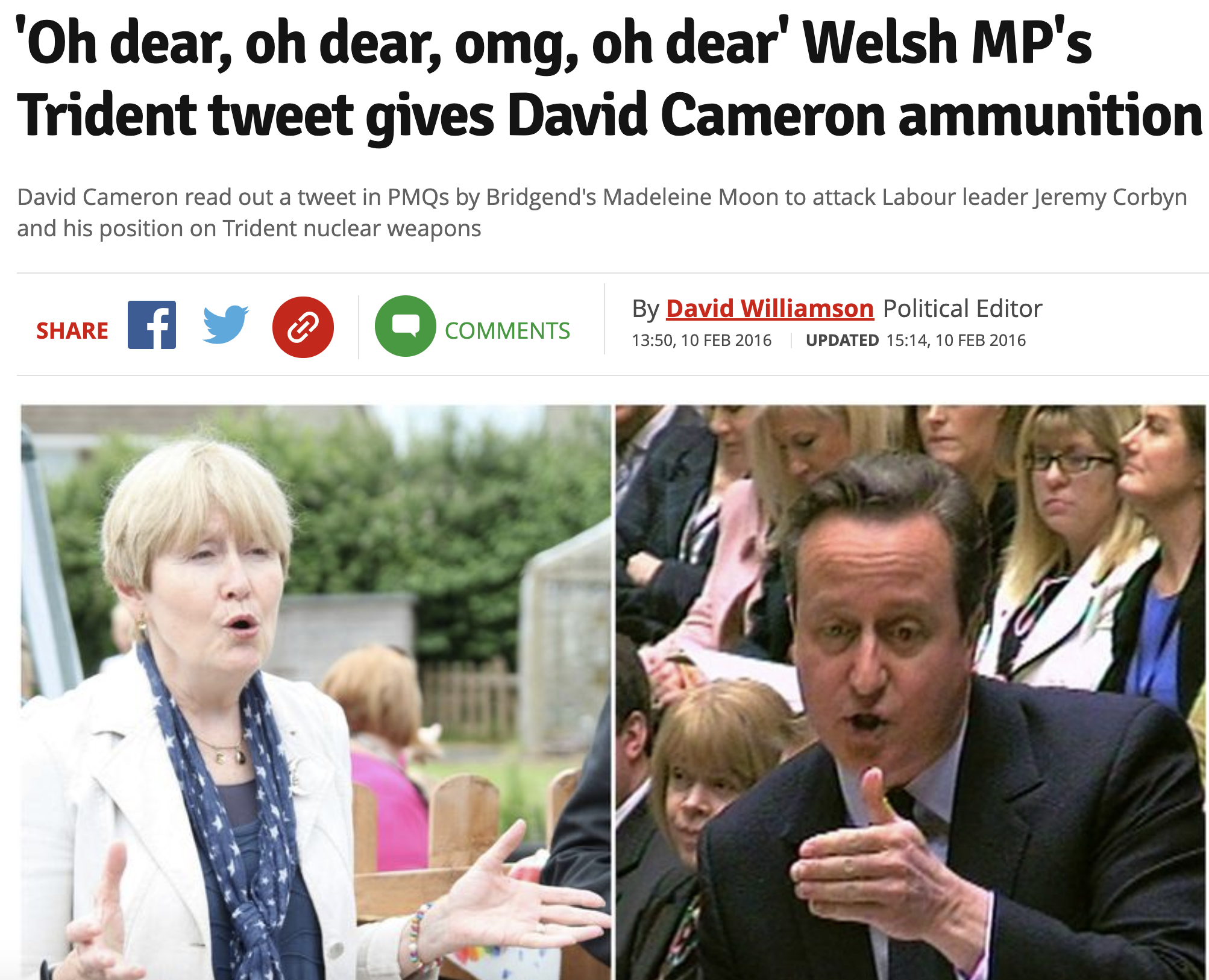
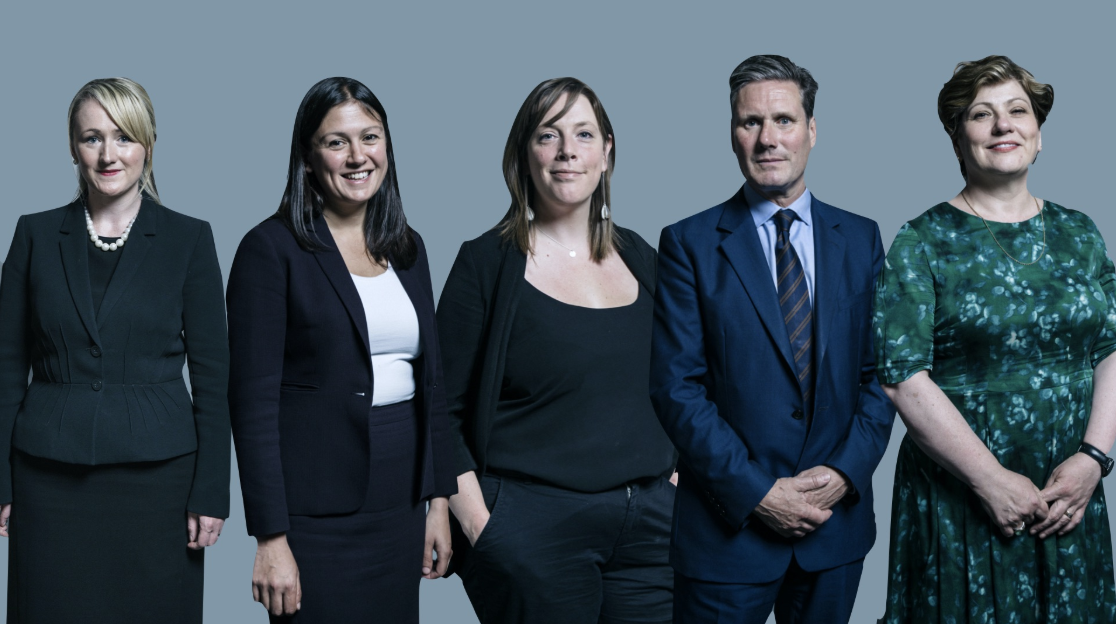 I was further encouraged by a slate of candidates for Leader that included 4 women and only one dull grey suit (well, Tory blue suit in fact). When this became the final four (with Clive Lewis and the awful Jess Phillips gone), there were three acceptable women candidates, all of whom I could have given a real chance to, but no.
 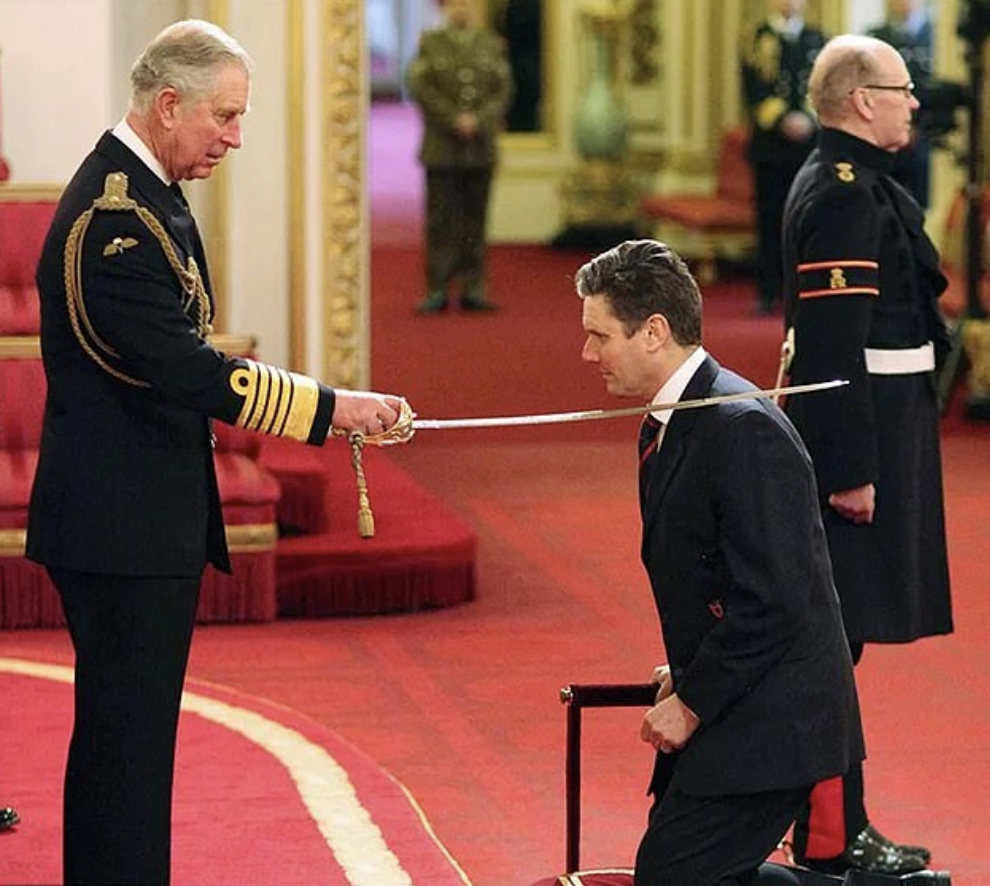 The dull grey suit wins it. The knight of the realm wins it. The establishment lawyer wins it. The heir to Blair wins.
 I can no longer bear to have my name associated with the Party that so actively undermined and destroyed the possibility of a Corbyn government today. I cannot countenance another penny of my money or a minute of my time being used and abused.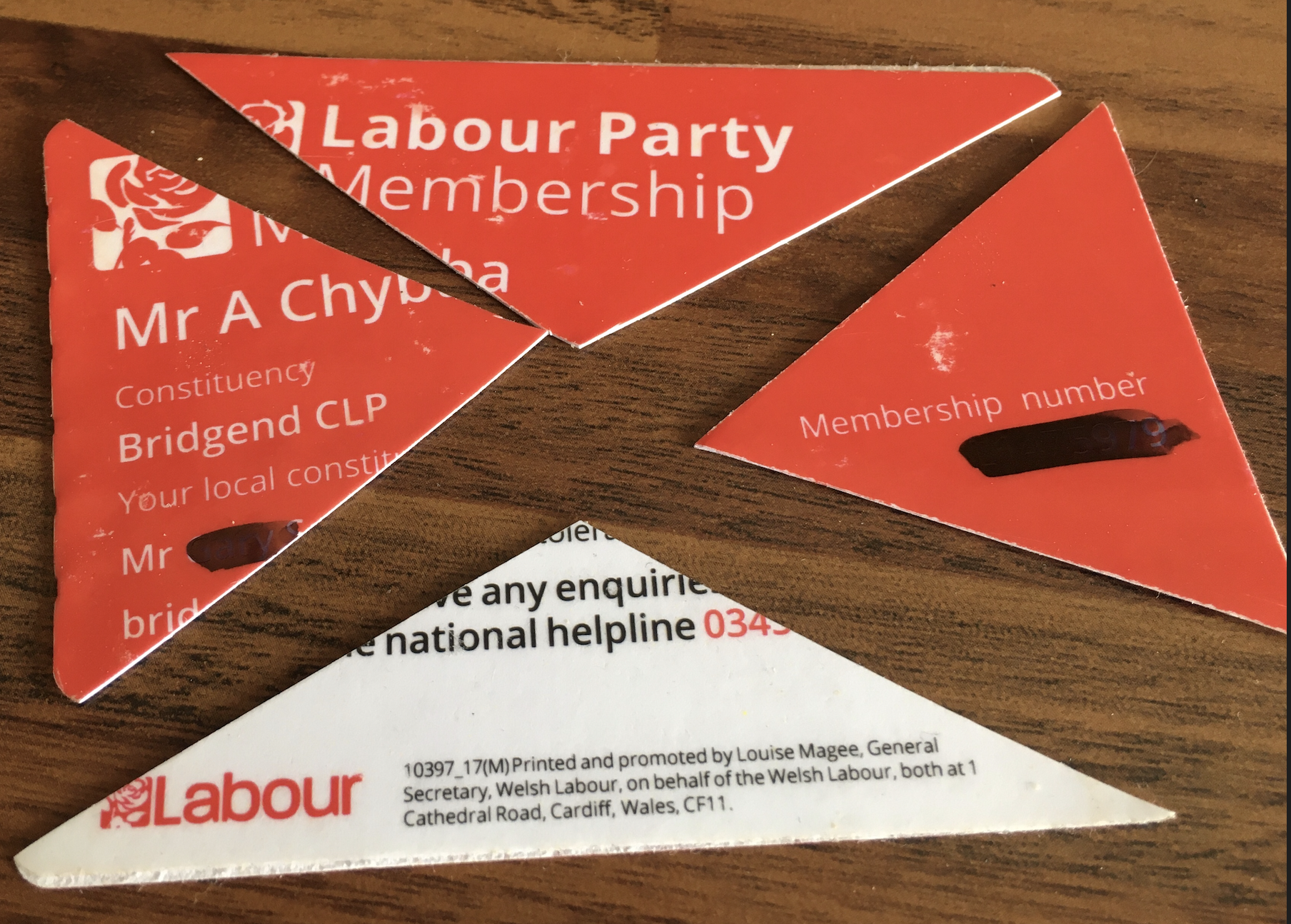
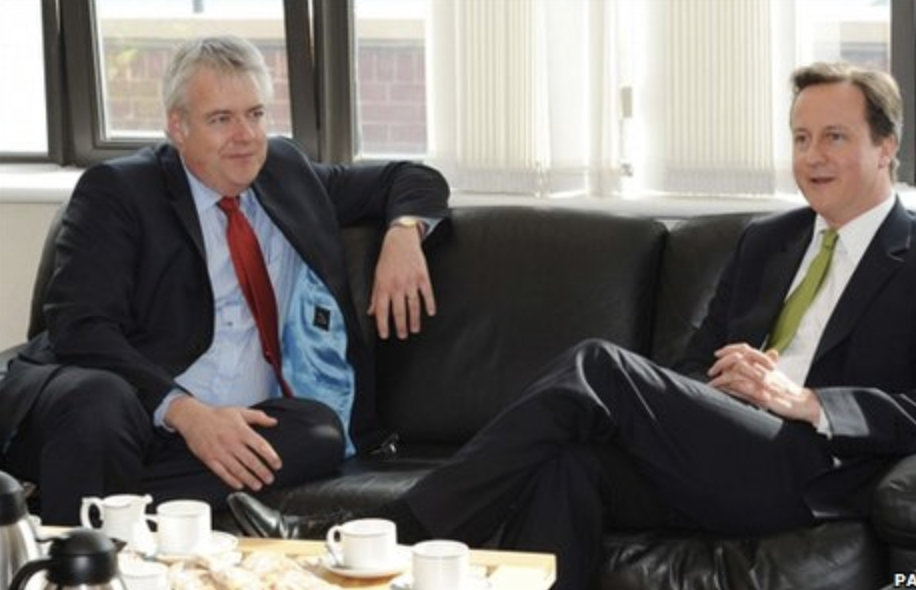 Carwyn Jones made a very nice career for himself using the Tories in Westminster as the ready-made excuse for failing to achieve the bare minimum you’d expect from Labour after 20 years of supposed-government; the eradication of poverty and homelessness, substantially less inequality, the restructuring of industry and employment for the 21st century. We can and should still have these aspirations.
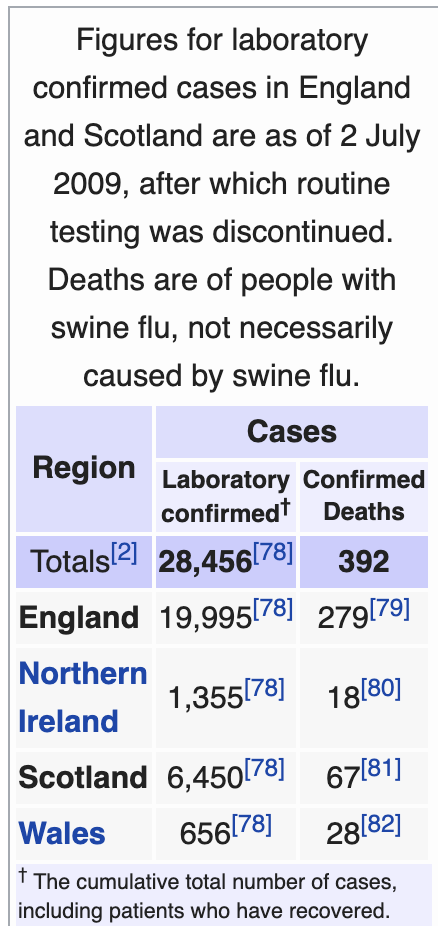 This story needs to start well before the onset of this pandemic. The last pandemic we encountered was the 2009 H1N1 ’Swine flu’ pandemic which saw Wales escape with relatively few confirmed cases, but a higher death rate than the UK average, even if that did amount to just 28 deaths (if just is ever an acceptable word to describe multiple deaths). As a consequence there was a flurry of post-pandemic reviews across the UK and attempts to update pandemic preparedness and response guides. The most recent substantial document I can find from Welsh Government is
  I have no inclination to pore over this and dissect it as I’m not even sure it is the most up-to-date pre-Covid-19 advice in Wales. But It is essentially a supplement to UK guidance rather than a stand alone document, as acknowledged on pg 2:
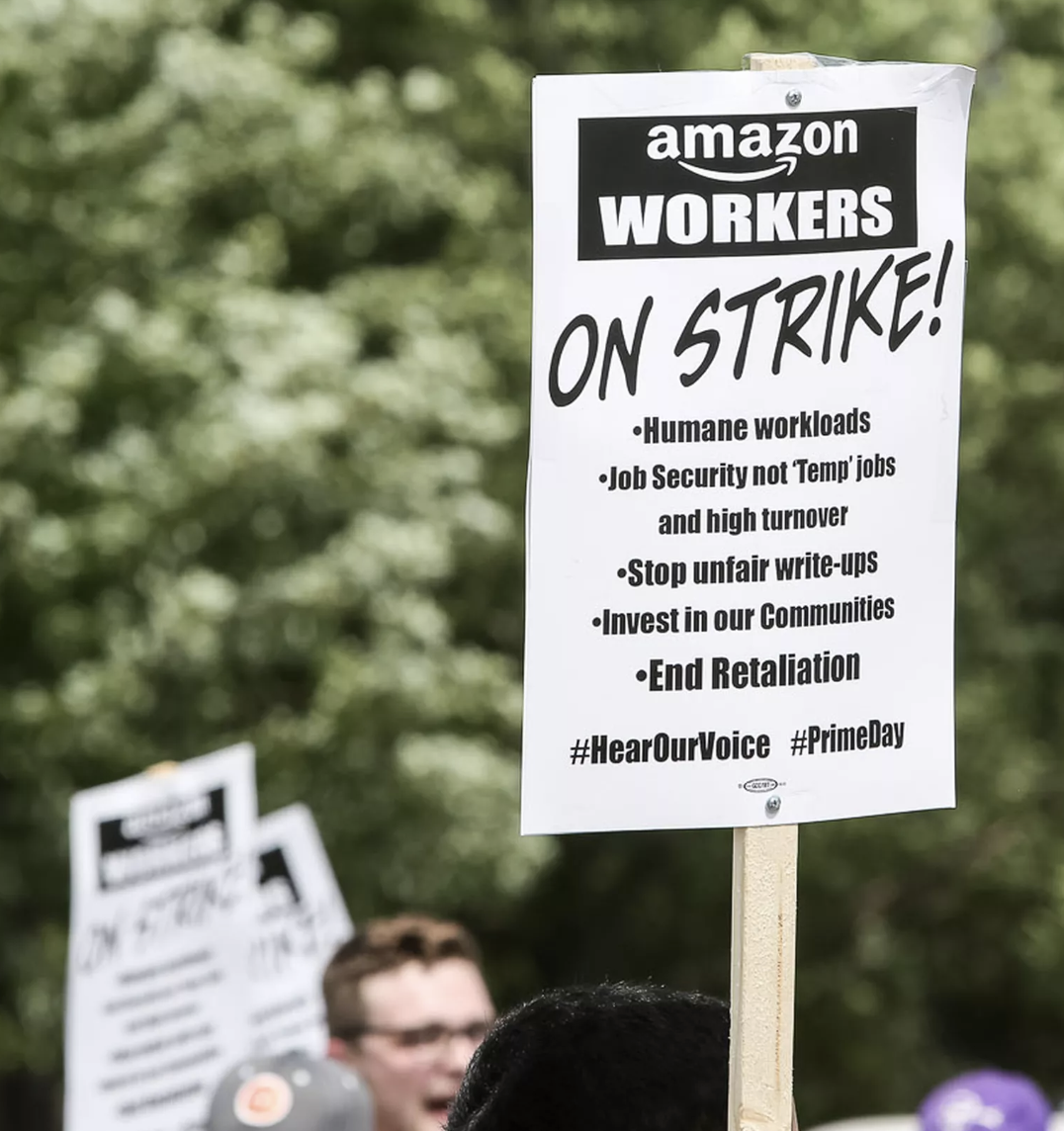 This probably also explains the nauseating Amazon adverts currently running where Amazon tries to pretend it is a lovely caring company that cherishes it workers, rather than arguably the worst employer on the planet. Not a good look for a Labour Party association.
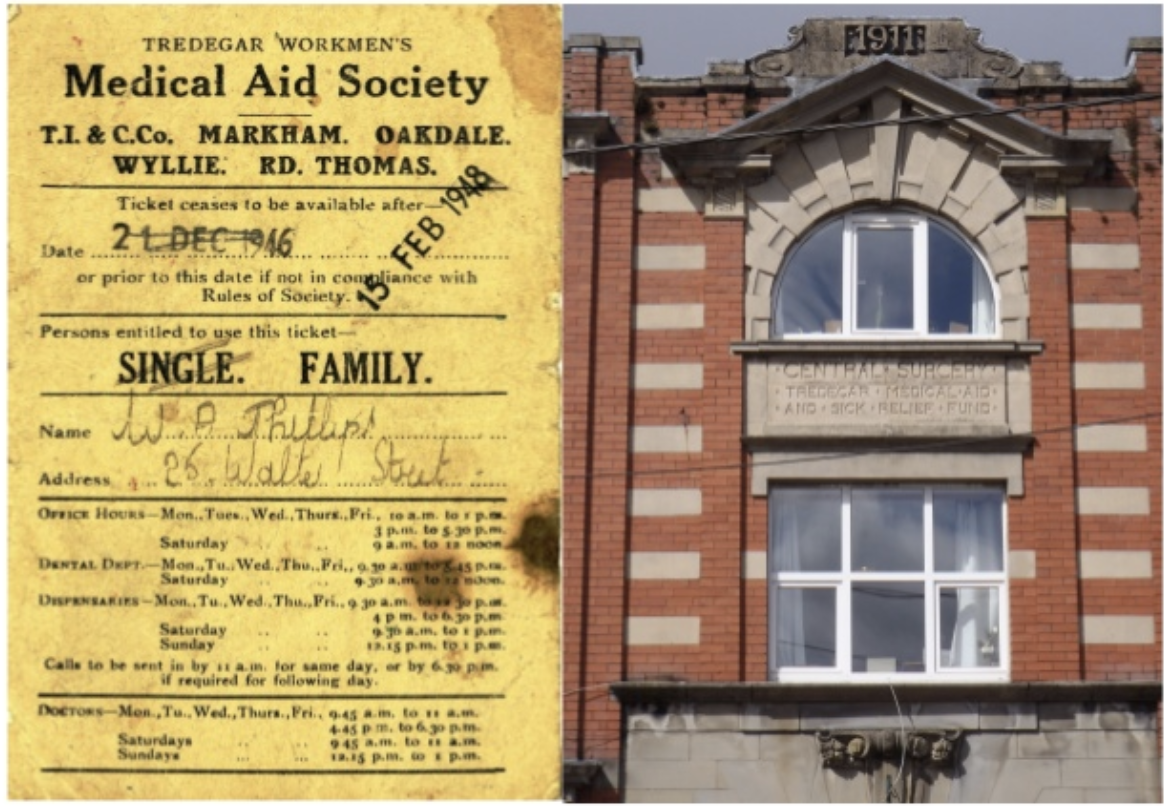 The neoliberal sociopathy of a deeply Conservative England really ought to be anathema to the people of Wales, built as it is on richly diverse working class communities. The NHS was, after all, born in Wales through Nye Bevan. It was Tredegar Medical Aid Society that gave Bevan the model and inspiration for the entire NHS.
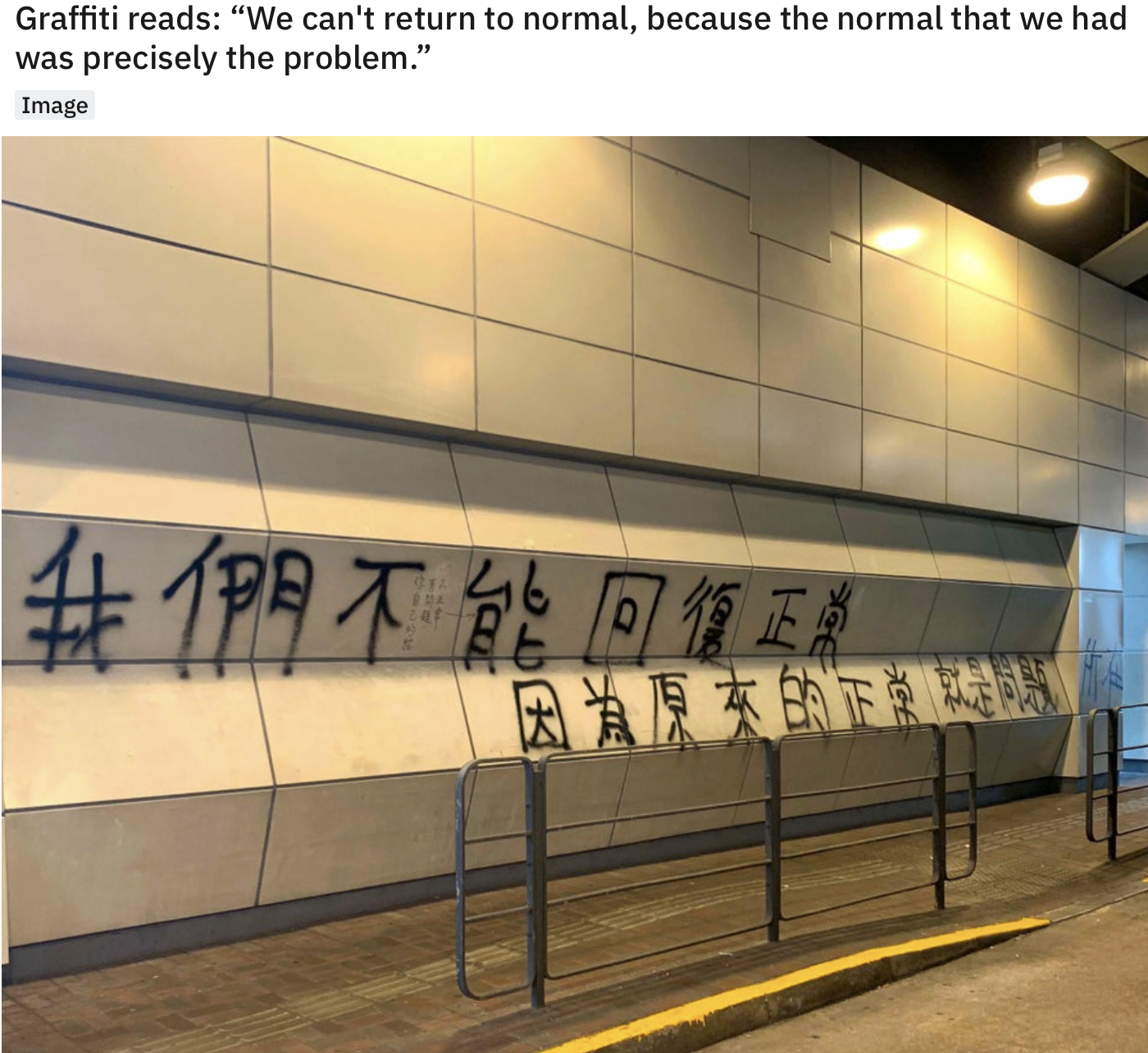 A common mantra emerging from this crisis across the world is that there can be no return to normal, as what we had as ‘normal’ was very much the essence of the problem. Such a crisis has enabled everyone (well, all those that will look up and see at least) to see the full evil of disaster capitalism – which is not really any different than everyday capitalism in that it promotes the welfare of capital and capitalist elites above the needs of the common people. It will no doubt lead to the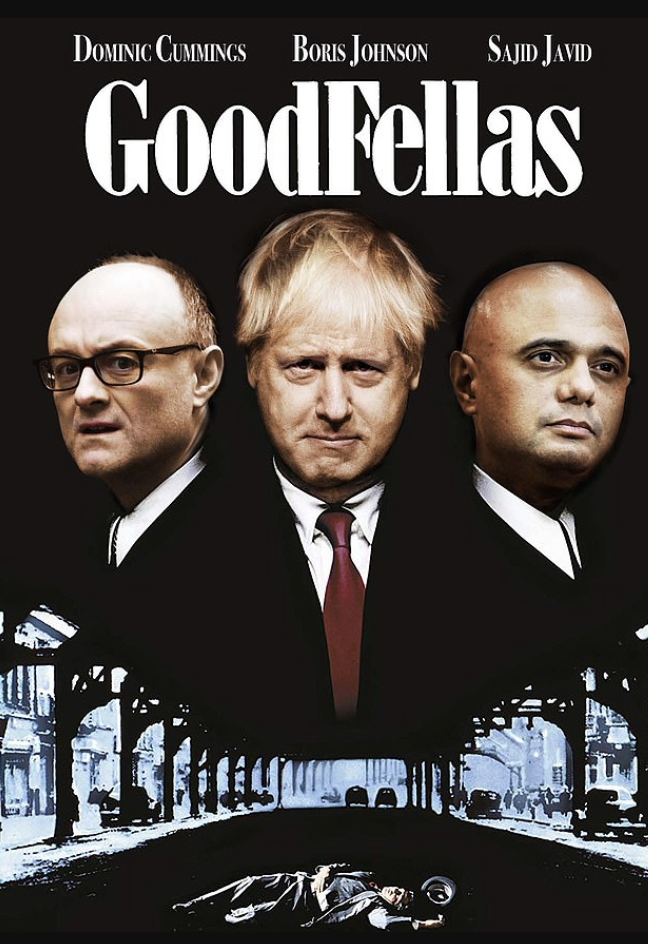
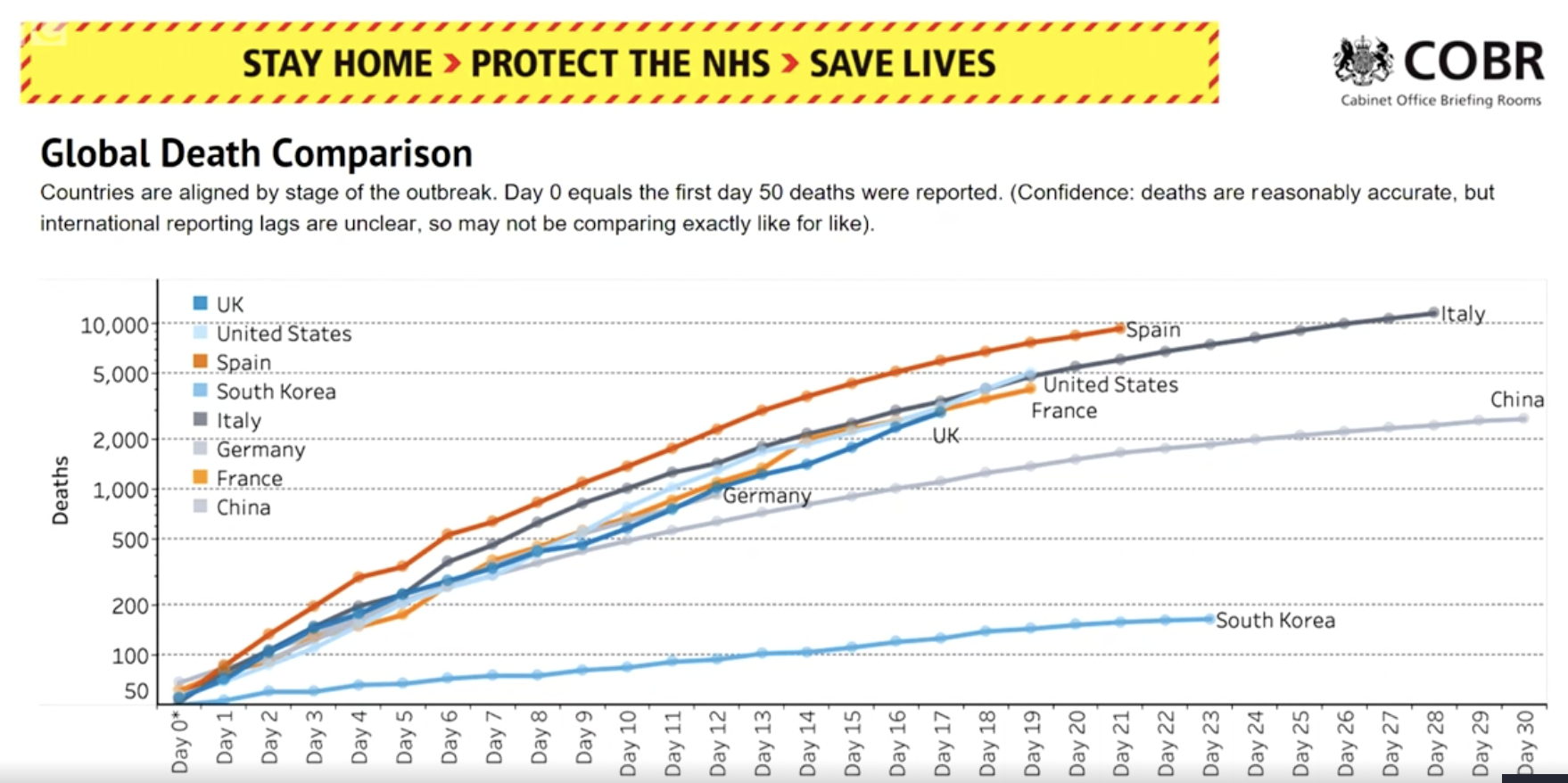
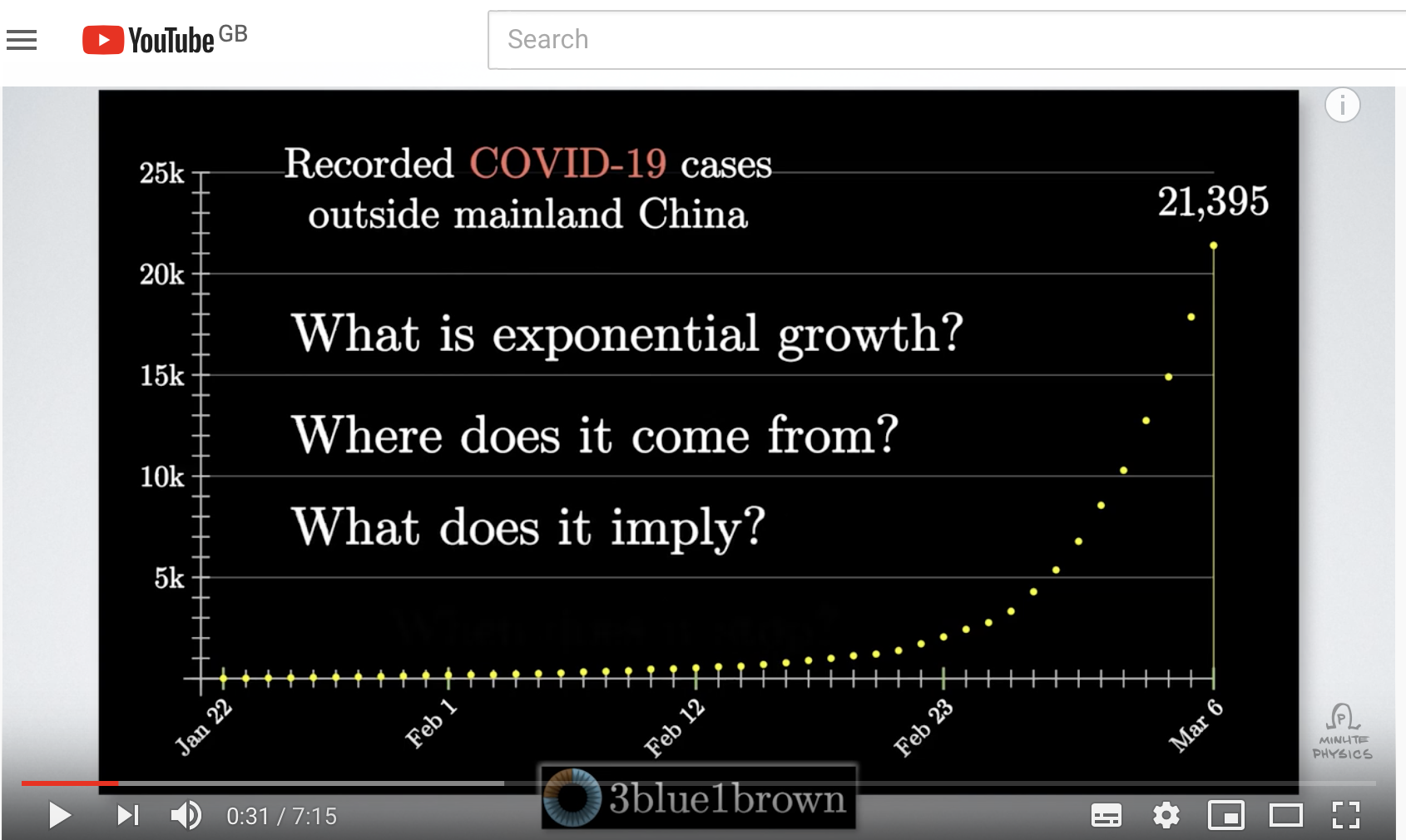
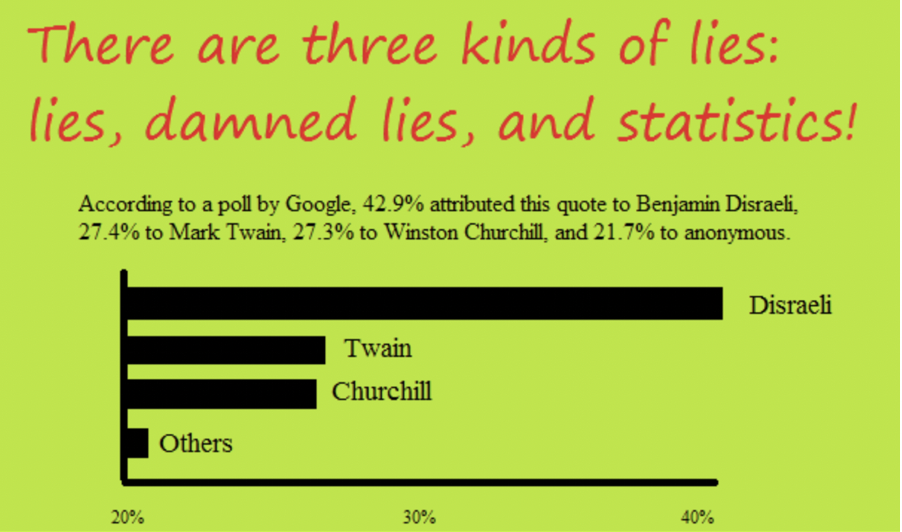 (Source:
 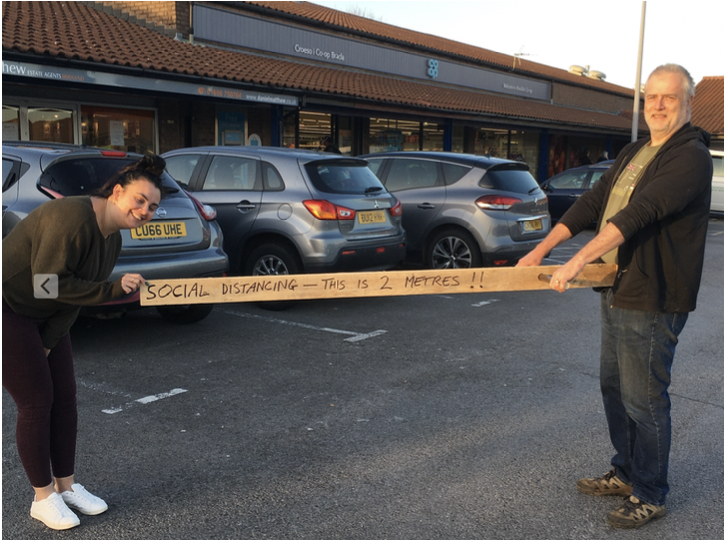 As such, people’s failure to adhere to this guidance, primarily because they seem to have no notion of what 2 metres looks like, prompted me to make this up in my workshop. I am 6’3” and most people equate two metres with six feet and think I’m over 2m tall. I am in fact 1.93m and 2 metres is in fact 6’6” to the nearest inch. So with USA and many in this country thinking 6ft is fine, does that extra 6 inches make any real difference? That does, of course, depend on whether you ask the actress or the bishop, but the short answer is not really.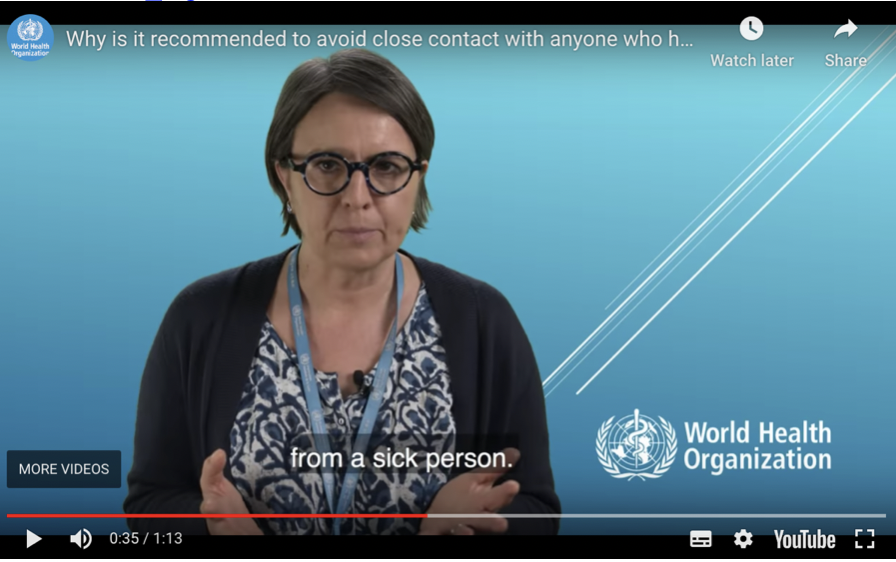
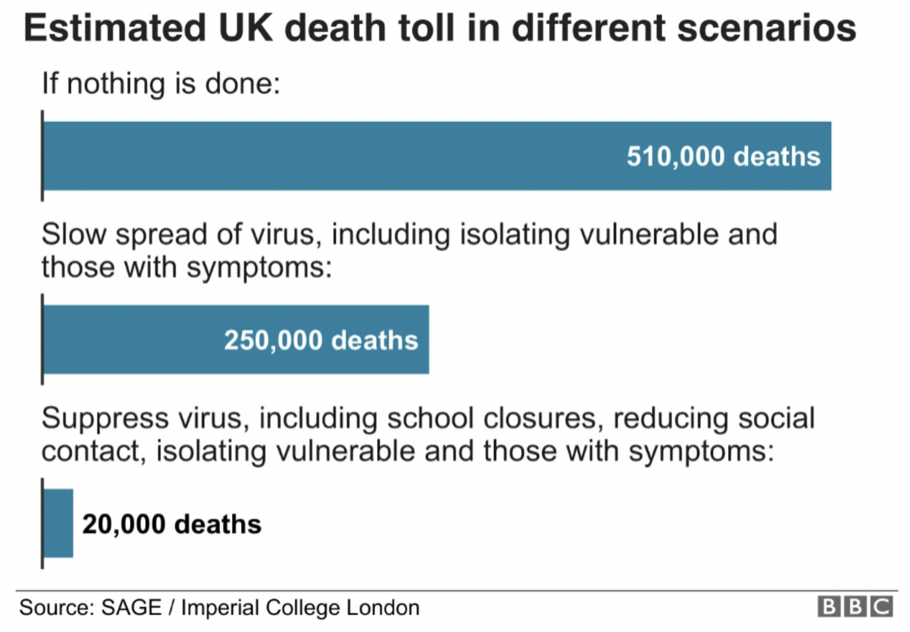
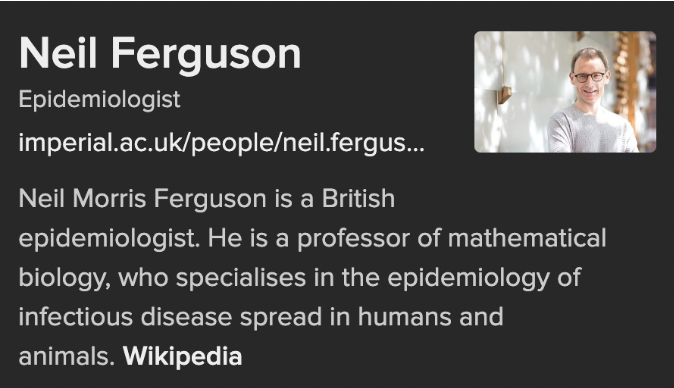 In mid-February, Imperial epidemiologist Professor Neil Ferguson
 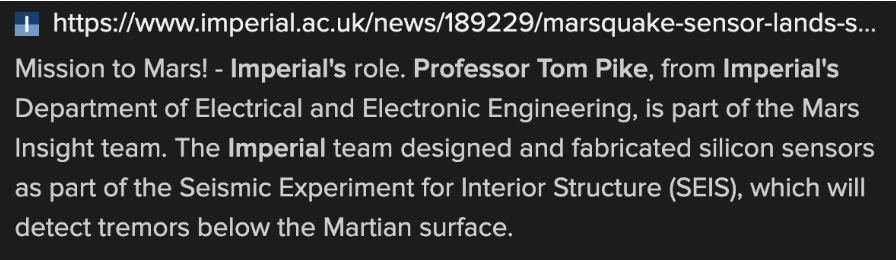 First and foremost, Tom Pike is not an epidemiologist. In fact it is difficult to see how he is significantly better qualified than I am, given that his area of academic expertise, while at a significantly higher level, is in the less relevant discipline of electrical and electronic engineering, with, on a closer look, a specialisation in micro-engineering for space exploration vehicles.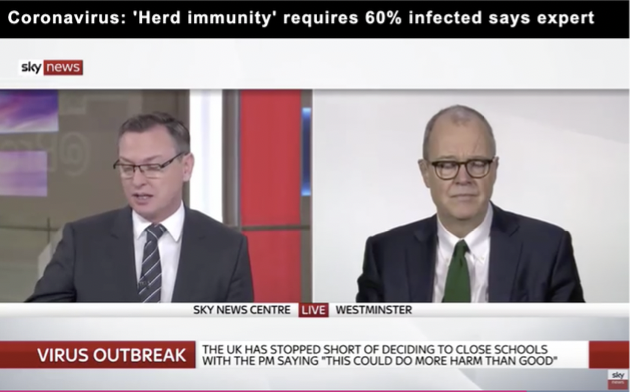
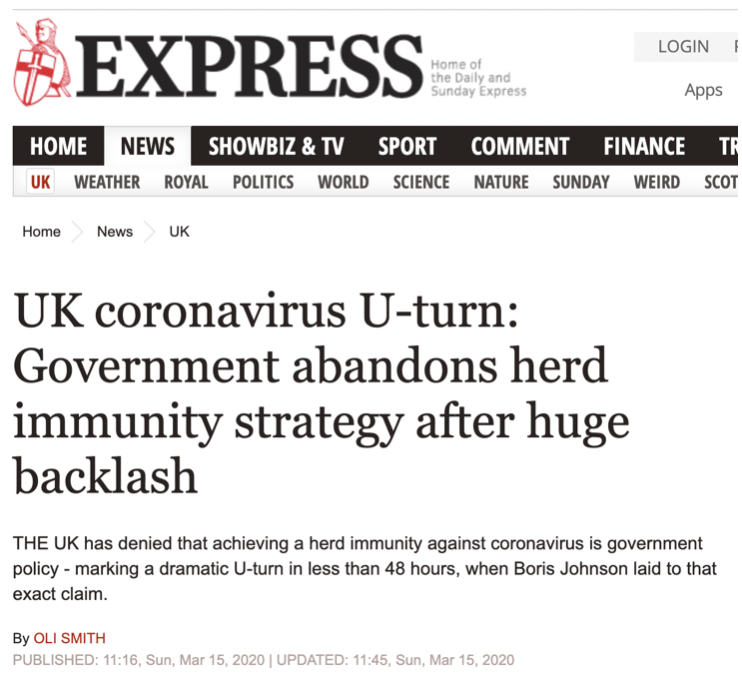
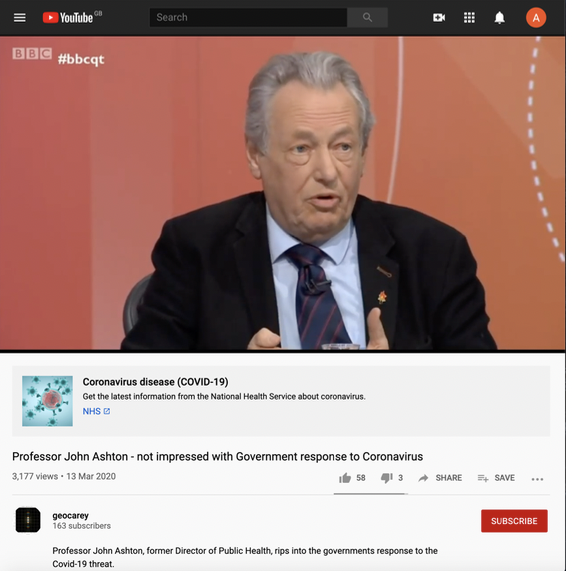
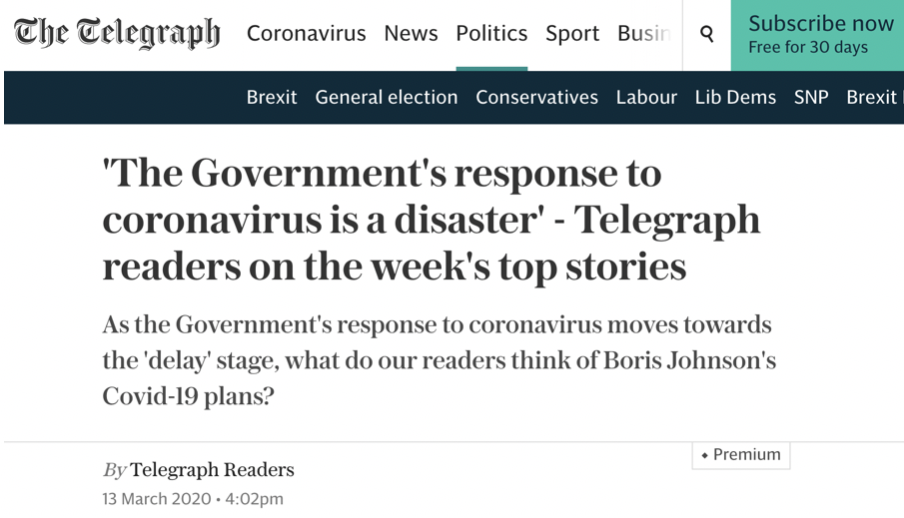
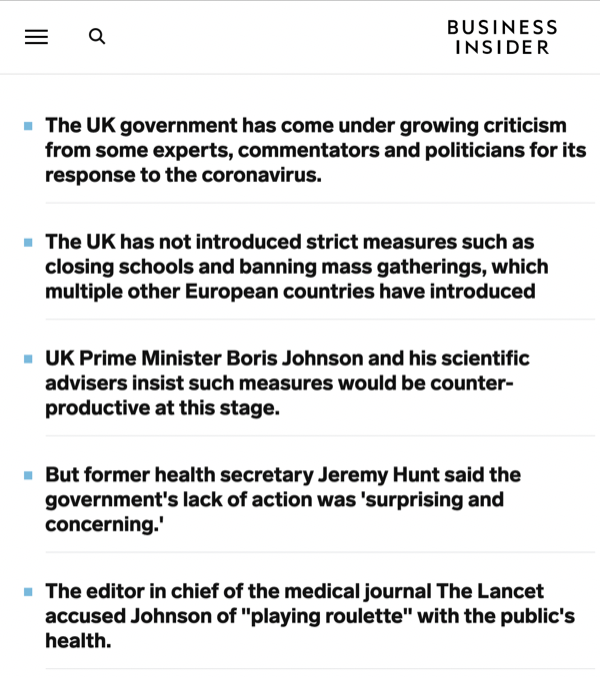
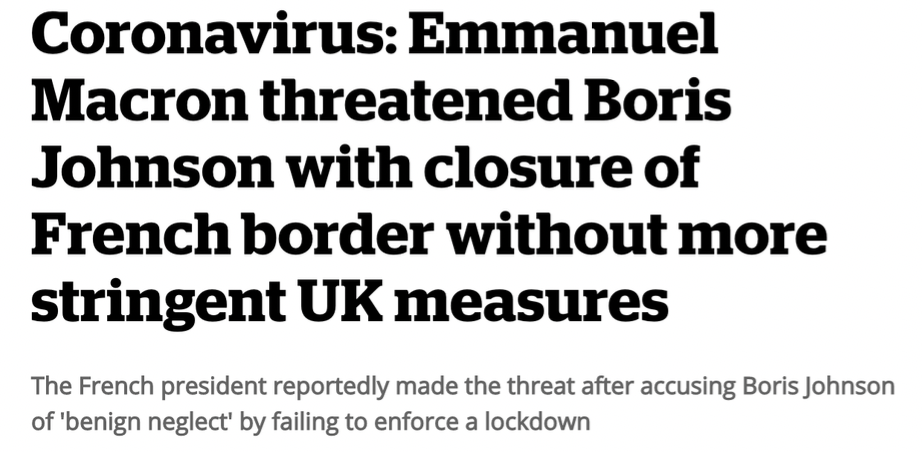
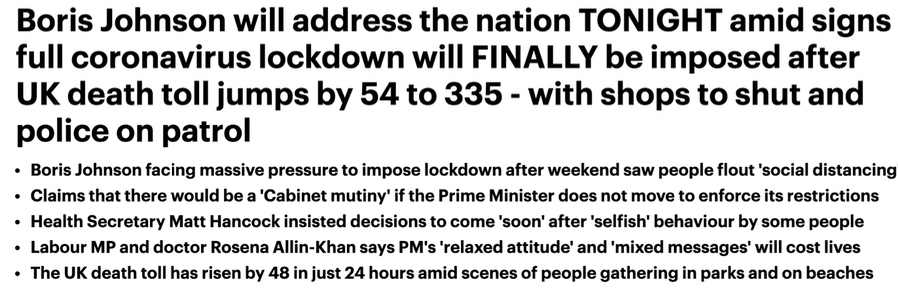
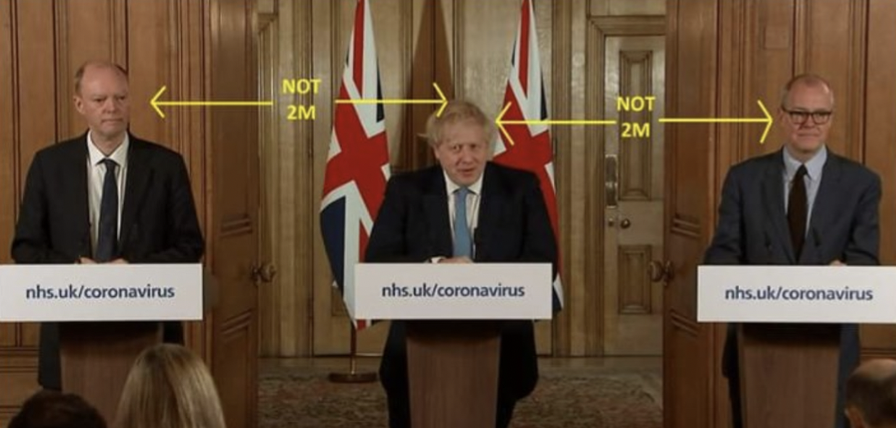
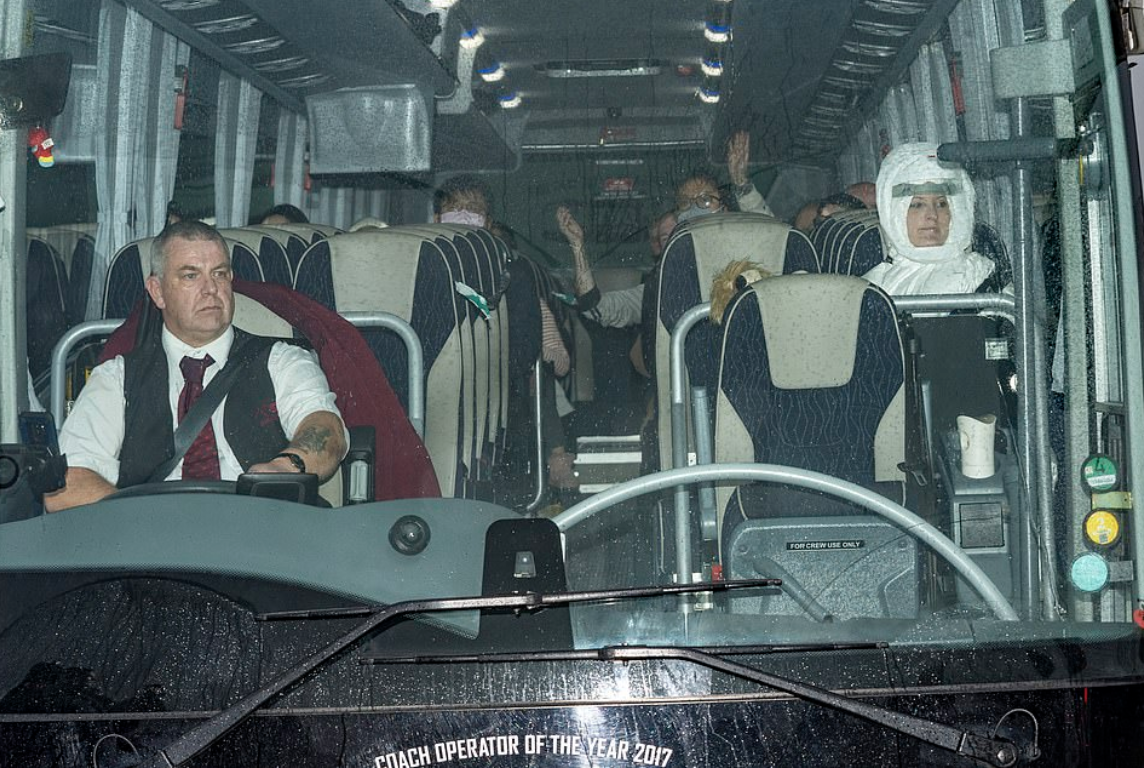
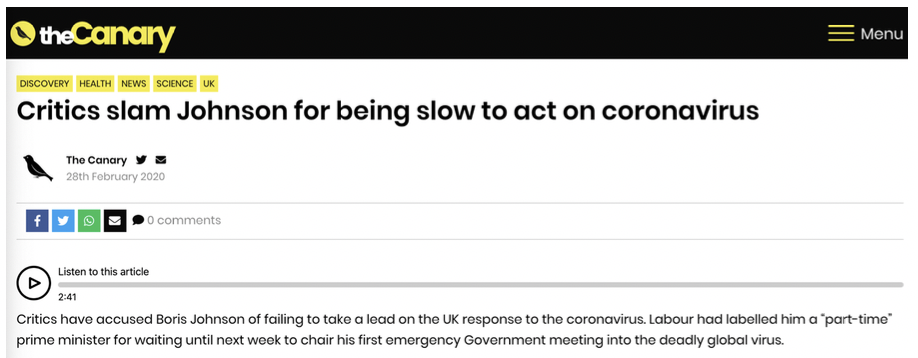
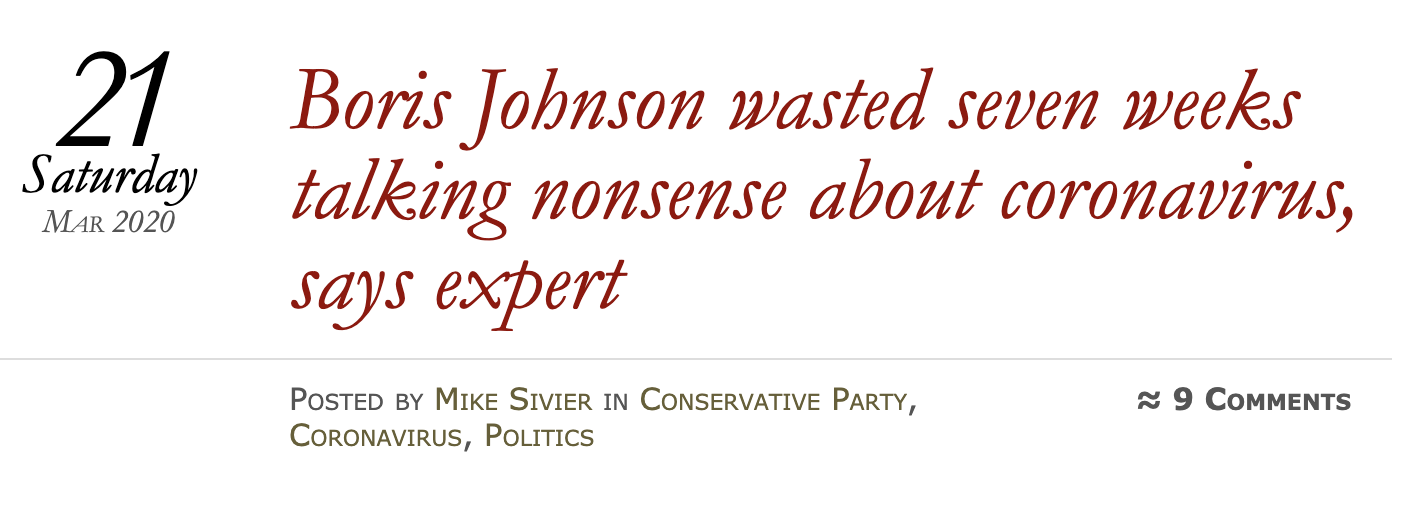 Nothing much was seen or heard over the next few days, other than assurances that all the right plans and preparations were being looked after. Its anyone’s guess what that actually meant in practice as it sure wasn’t getting PPE in place for front line staff, or ensuring adequate ventilators would be available.
 despite them not yet seeing the light of day, let alone being tested and approved for use. And the cost? Well, that’s a secret!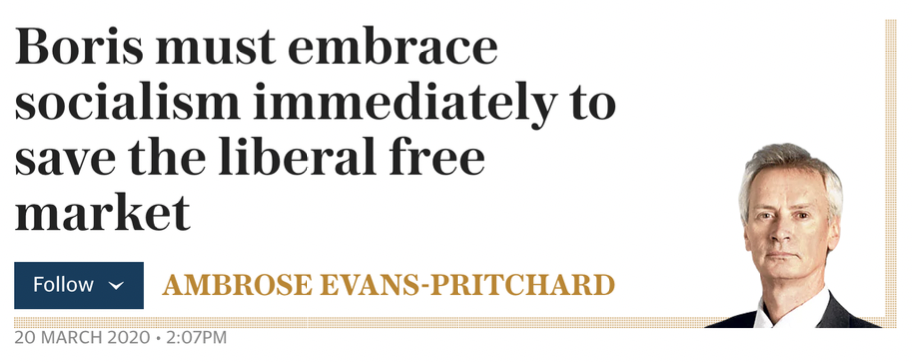
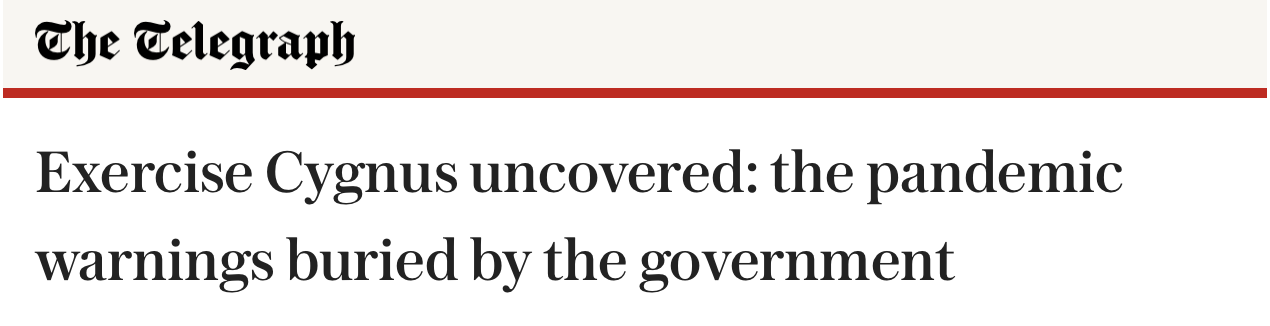
 Bridgend's Green Leftie